Iceland · Travel Guide 2026
Things to Do in Iceland Photography Guide
A practical photography guide to Iceland for landscapes, waterfalls, glaciers, black-sand beaches, wildlife, the midnight sun and the Northern Lights.
Top Highlights
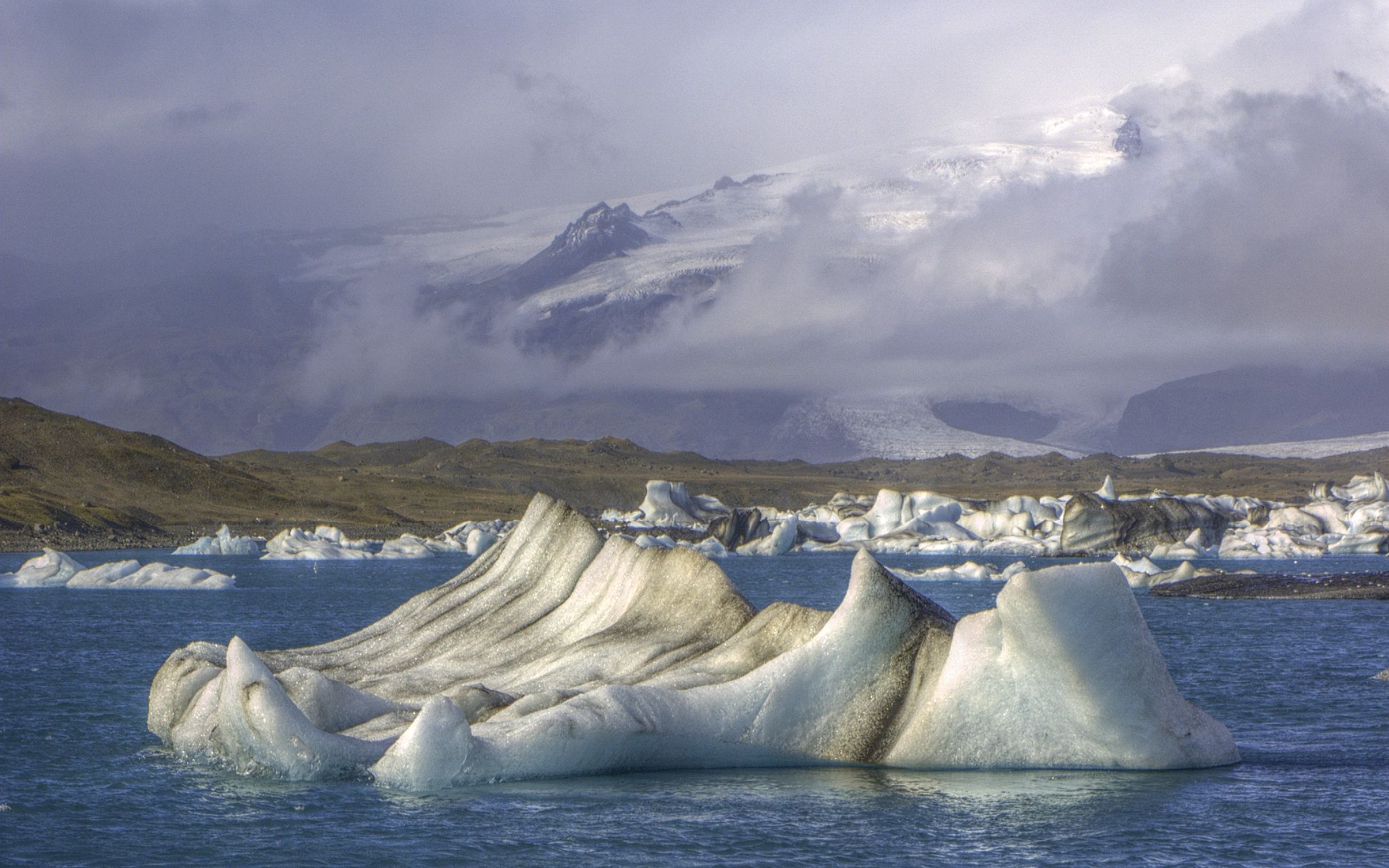
- Jökulsárlón Glacier Lagoon — changing ice, reflections and winter light
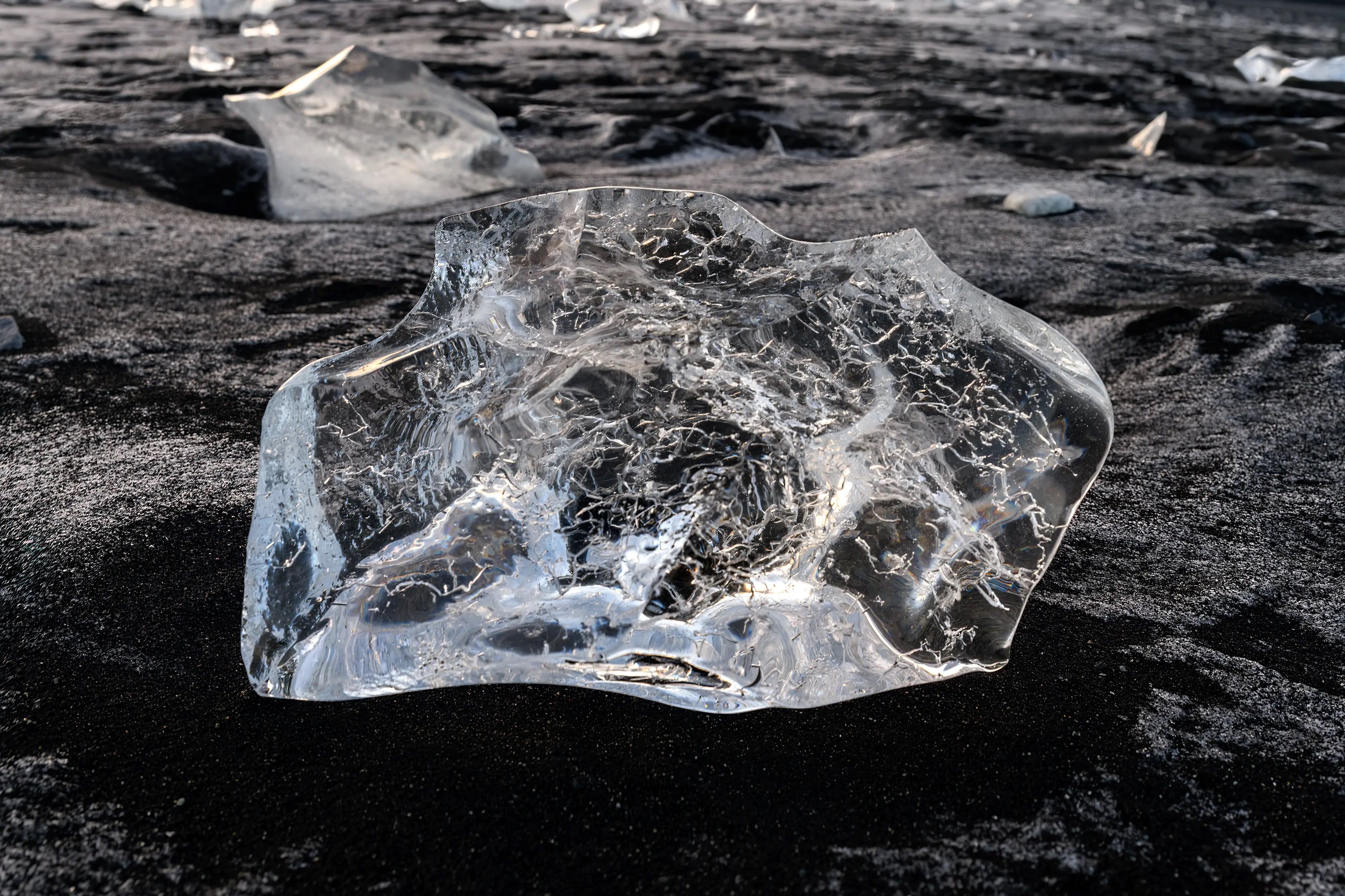
- Breiðamerkursandur / Diamond Beach — ice on black sand and Atlantic surf
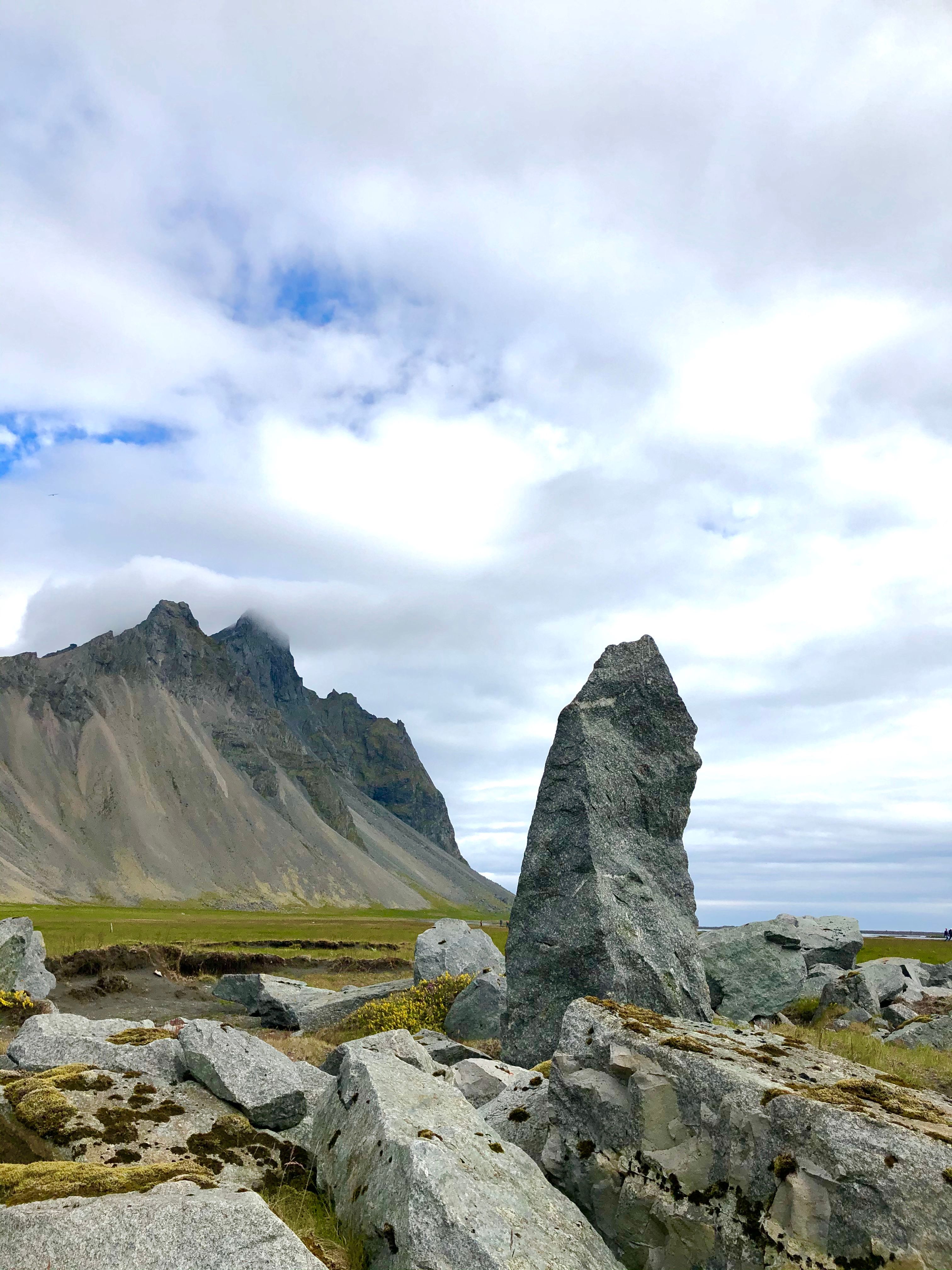
- Vestrahorn & Stokksnes — mountain reflections, dunes and dramatic side light
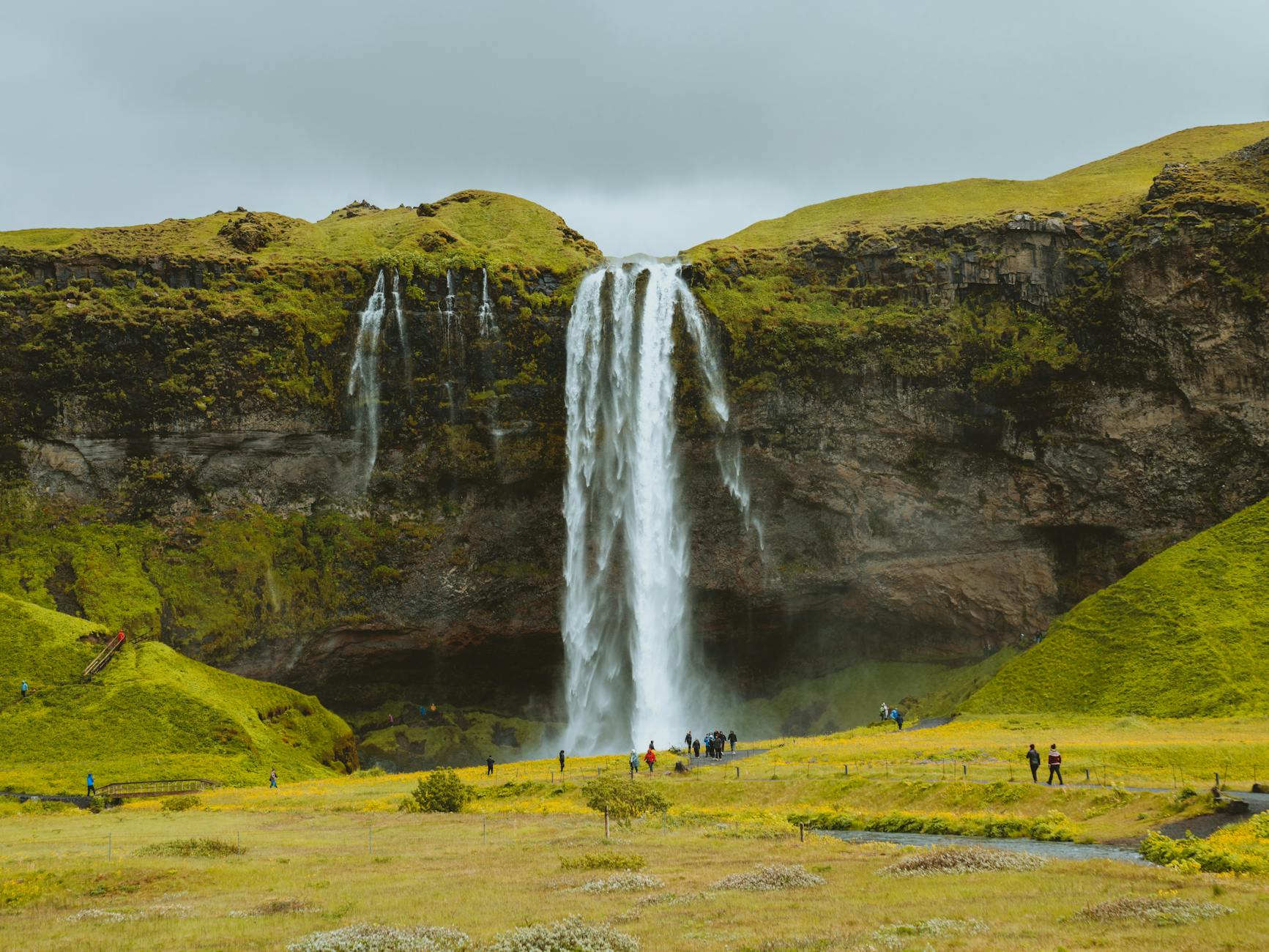
- Seljalandsfoss — wide-angle waterfall compositions and evening light
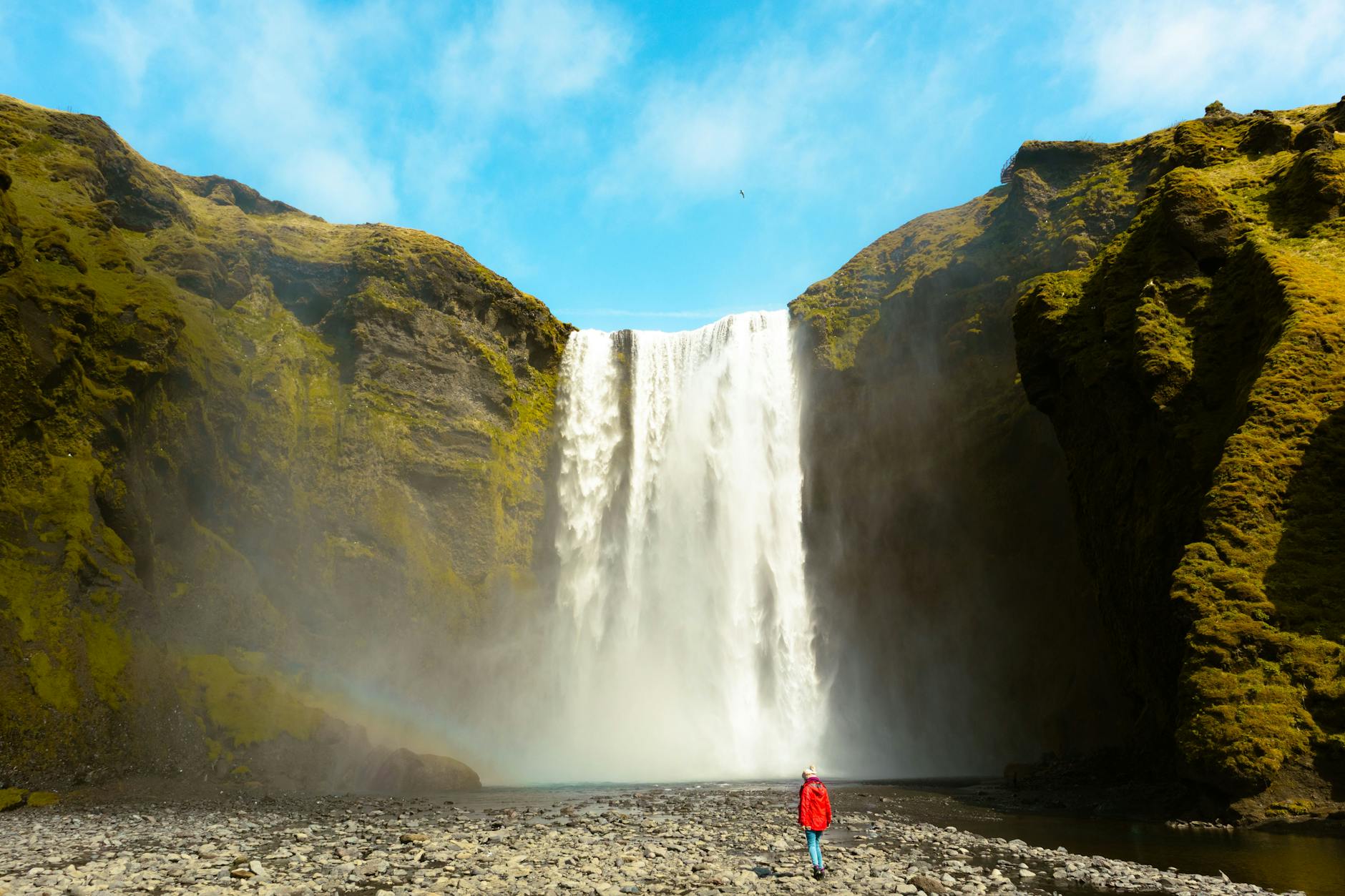
- Skógafoss — mist, rainbows, symmetry and long exposures
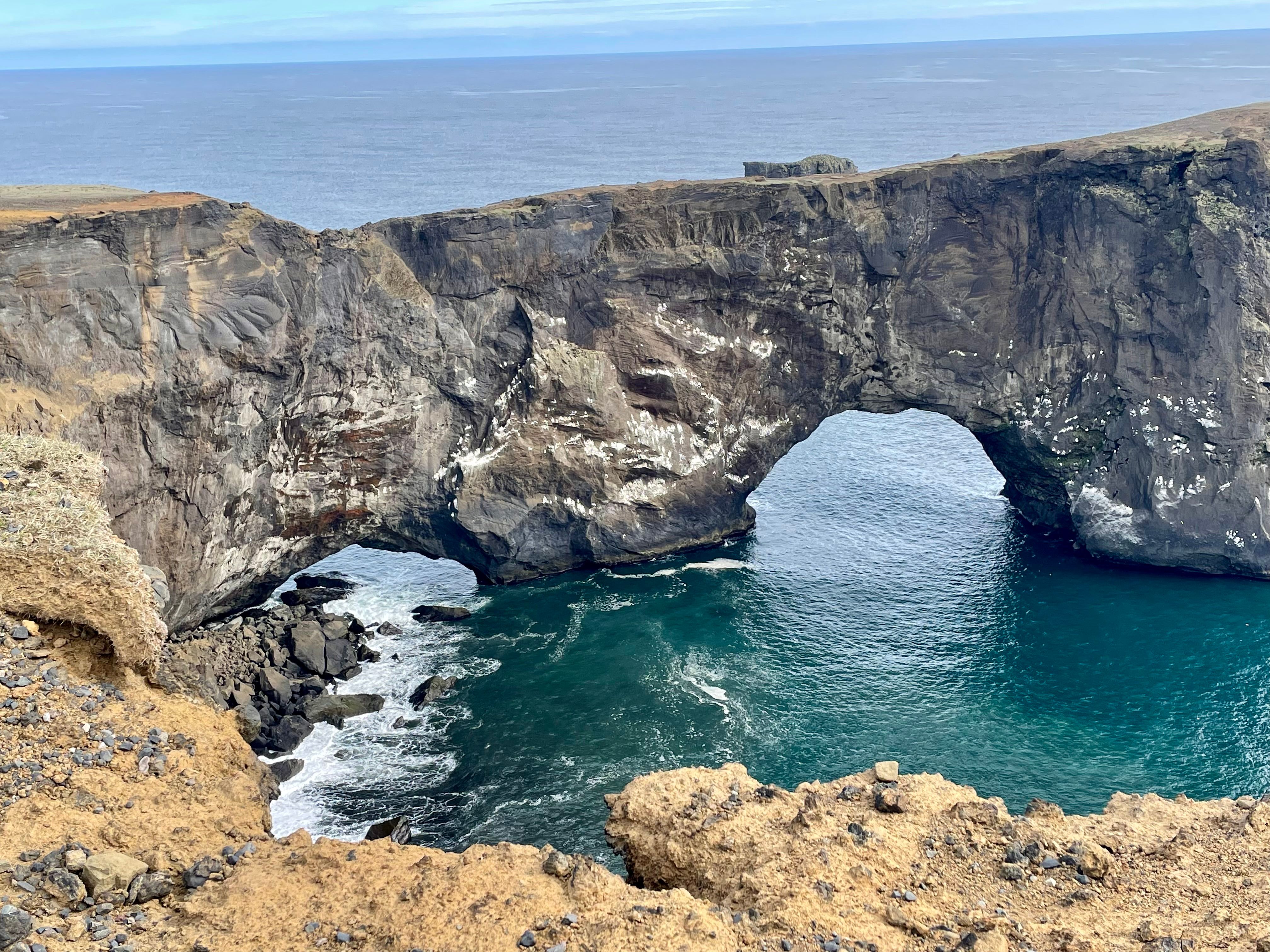
- Dyrhólaey — elevated South Coast views and seasonal bird photography
- Reynisfjara — basalt, sea stacks and black-sand compositions
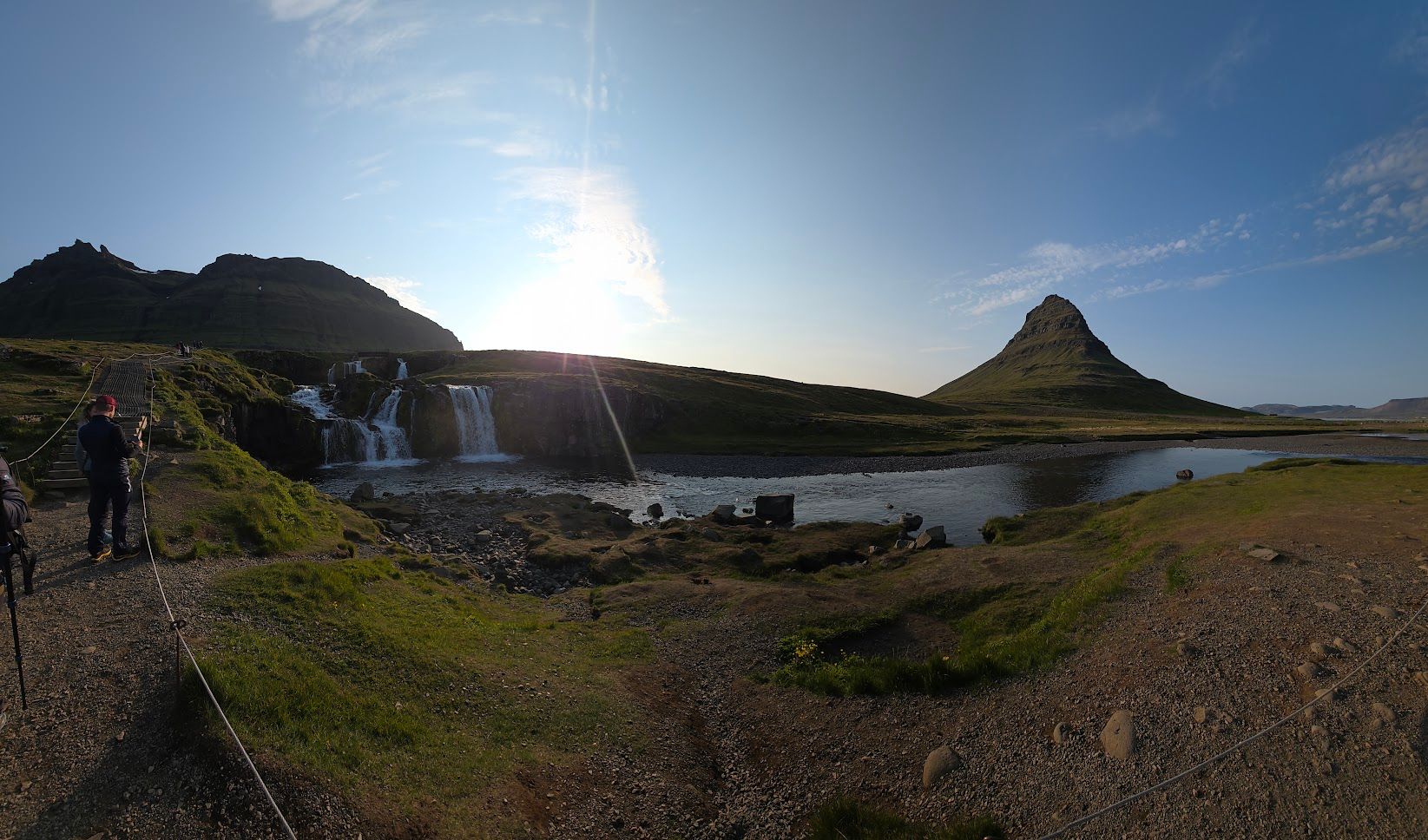
- Kirkjufell & Kirkjufellsfoss — iconic West Iceland mountain compositions
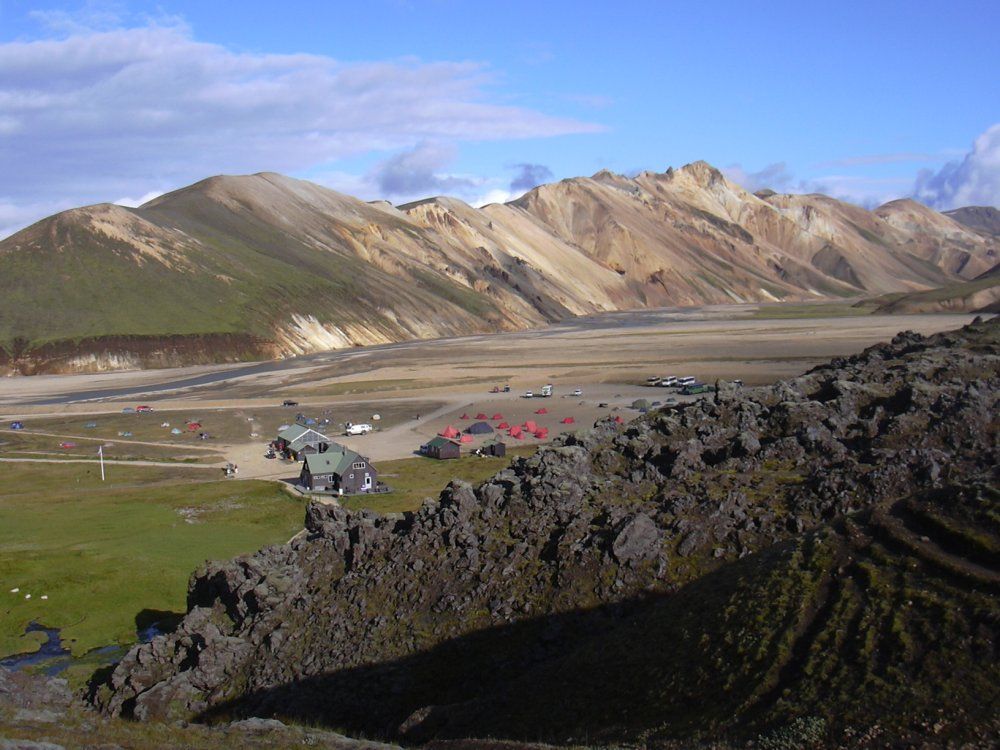
- Landmannalaugar — rhyolite colour, lava fields and layered Highland landscapes
Best Time to Visit
Year-round. September to mid-April is best for Northern Lights and low winter light; May to August offers long daylight and the midnight sun. Autumn is especially strong for a mix of aurora, changing colours and manageable daylight hours.
Complete Travel Guide to Iceland Photography Guide
A practical photography guide to Iceland for landscapes, waterfalls, glaciers, black-sand beaches, wildlife, the midnight sun and the Northern Lights.
At a Glance
Region: South Iceland
About This Destination
Iceland rewards photographers who plan for light and weather rather than simply collecting famous locations. The country combines waterfalls, glaciers, volcanic terrain, black-sand beaches, sharp coastal mountains and extremely long seasonal changes in daylight, so the same location can produce completely different photographs from one month to the next. GoIceTravel already has detailed attraction records for the key locations in this guide, and the recommendations here are built around those existing places. On the South Coast, Seljalandsfoss is especially useful for wide compositions and evening light, while Skógafoss offers strong symmetrical compositions, mist, rainbows and opportunities for slower shutter speeds. Farther east, Dyrhólaey provides elevated coastal views and seasonal bird photography, while Reynisfjara combines black sand, basalt formations and sea stacks. Photographers must keep a large safety margin from the ocean at Reynisfjara because sneaker waves are a real hazard and a photograph is never worth crossing barriers or ignoring warning signs. Jökulsárlón Glacier Lagoon and Breiðamerkursandur, better known as Diamond Beach, are among Iceland's most productive photography locations because the scene changes continuously. Icebergs rotate, drift and break apart, while tides move pieces of ice onto and away from the black beach. Rather than arriving for a few minutes, allow time to watch the ice and find simple compositions. Nearby in southeast Iceland, Vestrahorn and Stokksnes are excellent for mountain reflections, black dunes, foreground patterns and dramatic side light. In West Iceland, Kirkjufell remains one of the country's most recognisable mountain subjects, particularly when combined with Kirkjufellsfoss. In the Highlands, Landmannalaugar offers a completely different palette of rhyolite mountains, lava fields and broad landscape layers. Access is seasonal and road conditions must always be checked before travelling into the Highlands. For Northern Lights photography, use a sturdy tripod, manual focus, RAW files and a wide, bright lens where possible. A practical starting point is ISO 1600–3200, a wide aperture and roughly 2–15 seconds depending on how quickly the aurora is moving. Strong aurora often benefits from shorter exposures because they preserve structure in the curtains. For waterfalls, experiment with shutter speed instead of assuming every image needs extremely smooth water; shorter exposures can preserve texture and power. Carry spare batteries, several lens cloths and weather protection, because cold, rain, waterfall spray and sea salt can quickly affect equipment. The most important photography advice in Iceland is to remain flexible. A planned sunrise may disappear behind cloud while another location suddenly receives dramatic light. Check forecasts, road conditions and aurora data, then adapt the route. Respect private property, marked paths, wildlife closures and fragile vegetation. The strongest Iceland photographs usually come from spending longer at fewer locations and responding to what the landscape is actually doing rather than rushing to reproduce a familiar shot.
Famous For
Did You Know?
- Summer golden hour can last for hours because the sun stays low near the horizon.
- Aurora photography requires darkness, usually from roughly September to mid-April.
- Cold temperatures reduce battery life, so spare batteries are important.
- Sea spray and waterfall mist make lens cloths and weather protection essential.
- A wide-angle lens is useful for landscapes, while a telephoto is valuable for wildlife and compressed mountain scenes.
Culture & Local Life
Photography in Iceland is closely connected to the landscape and weather. Visitors should respect private land, marked paths, closures and sensitive moss or vegetation. Drones are restricted or prohibited at many popular sites, and local signs always take priority. The strongest photographs often come from slowing down, watching the light and weather, and allowing extra time rather than rushing between famous viewpoints.
Top Things to Do
- Spend several hours photographing changing ice at Jökulsárlón and Diamond Beach
- Use changing weather and side light at Vestrahorn and Stokksnes
- Photograph Seljalandsfoss and Skógafoss with different shutter speeds rather than one standard long exposure
- Use Dyrhólaey for broad South Coast landscapes and seasonal wildlife
- Combine Kirkjufell with Kirkjufellsfoss for foreground depth
- Explore Landmannalaugar only when seasonal access and road conditions allow
- Use a tripod, manual focus and short enough exposures to preserve structure in active Northern Lights
Hidden Gems
- Quiet coastal locations on Reykjanes away from the busiest stops
- Lesser-known waterfalls and valleys in East Iceland
- Remote fjord viewpoints in the Westfjords
- Small harbours and fishing villages at blue hour
- Winter ice details around glacier lagoons
Explore Iceland Photography Guide
Suggested 3-Day Itinerary
Day 1: South Coast: photograph Seljalandsfoss and Skógafoss, continue toward Reynisfjara and Dyrhólaey, and use late-evening light if conditions are good.
Day 2: Southeast: focus on Jökulsárlón Glacier Lagoon and Diamond Beach, allowing several hours to work with changing ice, tides and light.
Day 3: Choose either Vestrahorn/Stokksnes for mountain reflections and black sand, or return west for aurora, waterfalls or coastal photography depending on weather.
Practical Information
- Best Time: Year-round. September to mid-April is best for Northern Lights and low winter light; May to August offers long daylight and the midnight sun. Autumn is especially strong for a mix of aurora, changing colours and manageable daylight hours.
- Transport: A rental car gives photographers the most flexibility, especially for sunrise, sunset and aurora sessions. In winter, road and weather conditions should be checked before every drive.
- Budget: Mid-range
- Suggested Duration: 5–10 days recommended
- Best Season: year-round
FAQ
What is the best season for photography in Iceland?
There is no single best season. Winter offers Northern Lights, snow and low-angle light, while summer gives very long days and the midnight sun. Autumn is a strong compromise with darker nights, early aurora opportunities and softer daylight.
What lenses should I bring to Iceland?
A wide-angle lens is the most useful for landscapes and aurora. A standard zoom covers general travel photography, and a telephoto is valuable for puffins, wildlife, distant waterfalls and compressed mountain scenes.
What camera settings should I use for the Northern Lights?
A useful starting point is a wide aperture, ISO around 1600–3200 and a shutter speed of roughly 2–15 seconds depending on aurora movement and brightness. Use manual focus and shoot RAW.
Do I need a tripod?
A tripod is highly recommended for aurora, blue-hour scenes and long-exposure waterfalls, but many daylight landscape photographs can be made handheld.
How should I protect camera gear from Icelandic weather?
Use a weather-resistant bag or rain cover, carry several lens cloths, keep spare batteries warm and be especially careful with salt spray at beaches and heavy mist near waterfalls.
4.8 average rating
Secure booking
Free cancellation
On most tours
Local experts
Trusted by millions