
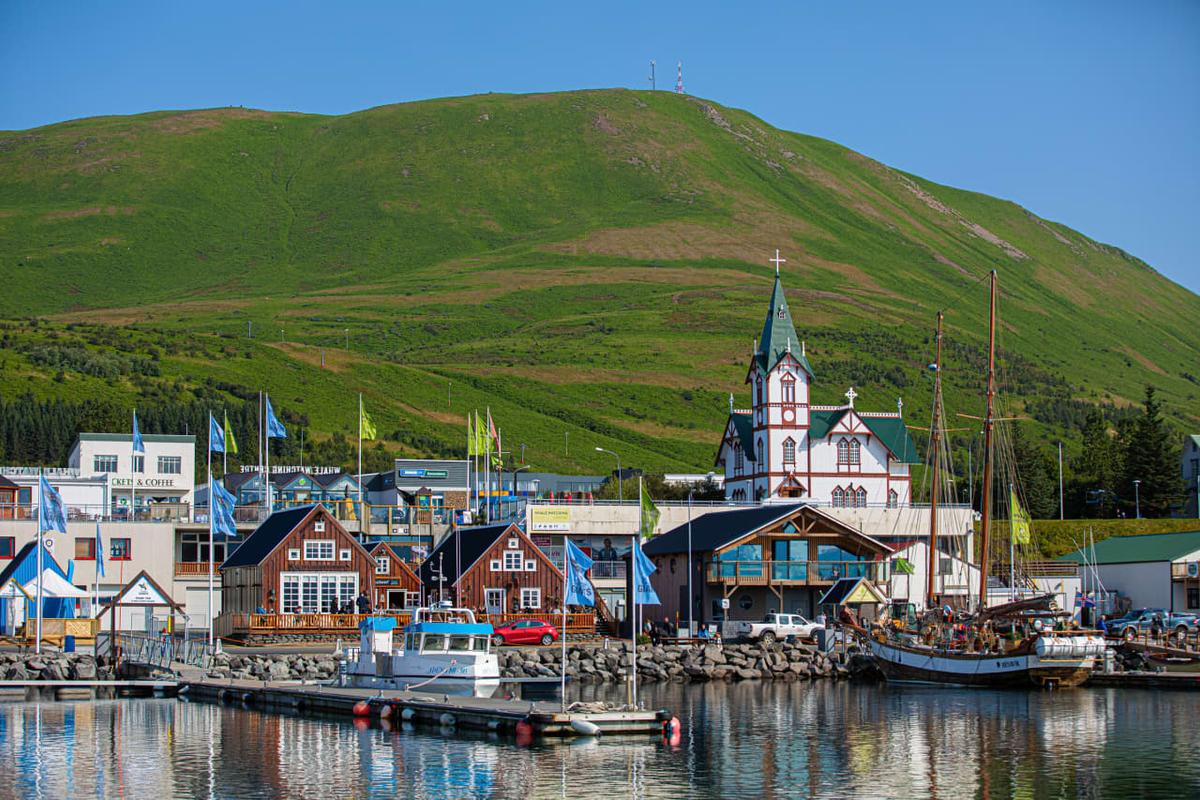
Húsavík
Húsavík is Iceland's whale watching capital — a charming fishing town on Skjálfandi Bay where humpback whales, minke whales and dolphins are regularly spotted o…
At a Glance
Visit time
3-5 hours (to enjoy the town, museum, and a whale watching tour)
Best Season
Early Summer mornings for calmer seas and good light.
Getting There
Easily accessible by paved roads (Route 85) from the Ring Road (Route 1). The harbor is central to town.
GPS
66.0450, -17.3400
About
About Húsavík
Húsavík is Iceland's whale watching capital — a charming fishing town on Skjálfandi Bay where humpback whales, minke whales and dolphins are regularly spotted on tours from the colorful harbour.
Experience world-class whale watching from Iceland's charming northern harbor town, amidst stunning scenery.
Tours Near Húsavík
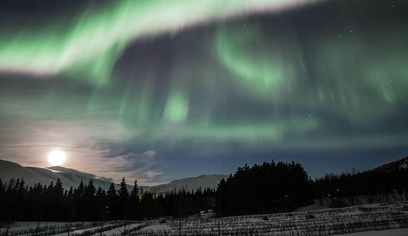
Northern Lights Classic Tour from Akureyri
Imagine Iceland Travel · 2 hours 30 minutes
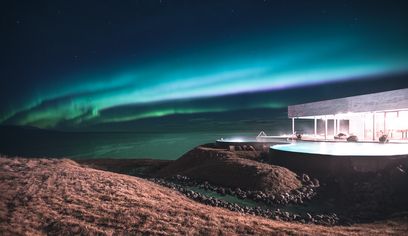
Private Northern Lights & GeoSea Geothermal Baths Tour (from Akureyri)
Imagine Iceland Travel · 5 hours

Northern Lights Photography tour from Akureyri
Iceland Horizon - Saga Travel - GeoIceland · 3 hours
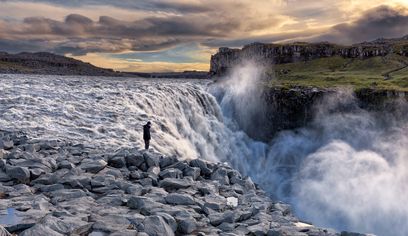
Dettifoss Waterfall, Ásbyrgi and Lake Mývatn - Shore Excursion from Húsavík
BusTravel Iceland · 5 hours 30 minutes
Photos
Gallery
Background
History & Background
Húsavík holds the distinction of being the site of the first recorded settlement in Iceland — the Swedish Viking Garðar Svavarsson wintered here in 870 AD (before the official age of settlement). The town's name means 'House Bay'. Today Húsavík is famous worldwide for its whale watching, with sighting rates among the highest of any location on Earth. The town also has a dedicated Whale Museum and was the filming location for parts of the Netflix film Eurovision Song Contest: The Story of Fire Saga (2020).
Húsavík, often celebrated as the whale-watching capital of Iceland, is a vibrant and picturesque town situated on the shores of Skjálfandi Bay in North Iceland. The town's charm is immediately evident upon arrival, with its bustling harbor filled with traditional oak boats and modern vessels, ready to take visitors on unforgettable marine adventures. Dominating the skyline is the iconic Húsavíkurkirkja, a striking wooden church built in 1907, with its distinctive white walls and green roof. The harbor area is lined with colorful buildings housing cozy cafes, restaurants, and shops, creating a lively atmosphere. Beyond its natural beauty, Húsavík holds significant historical importance as one of the earliest known Norse settlements in Iceland. Skrúðgarðurinn, Húsavík's riverside town garden, follows Búðará through a green corridor above the town centre. Created through an initiative by the Húsavík Women's Association beginning in 1975, it includes walking paths, mature planting, benches, Búðarárfoss and restored historic features. The garden also acts as a pleasant walking link toward Botnsvatn, making it useful as part of a wider Húsavík outdoor visit.
Folklore
Story & Folklore
The morning sun painted Húsavík's harbor in hues of gold as the old schooner, its wooden masts reaching for the sky, gently bobbed beside the dock. A fresh sea breeze carried the scent of salt and adventure. Along the waterfront, colorful buildings hummed with activity, preparing for another day of welcoming visitors eager to meet the ocean's giants. Above them, the striking white and green church stood sentinel, its cross glinting against the vast green slope of the mountain. It felt like a place where time slowed, where the rhythm of the tides dictated life, and where every ripple on the water held the promise of an incredible encounter with nature.
Did You Know?
Húsavík is often hailed as the "Whale Capital of Iceland," offering incredible opportunities to spot various whale species in Skjálfandi Bay.
Location
Location
Discover
Explore Nearby
Places from our database within 5.0 km — all data from Sanity
Loading nearby places…
0 places found within 5.0 km
Plan full itinerary →Explore More