
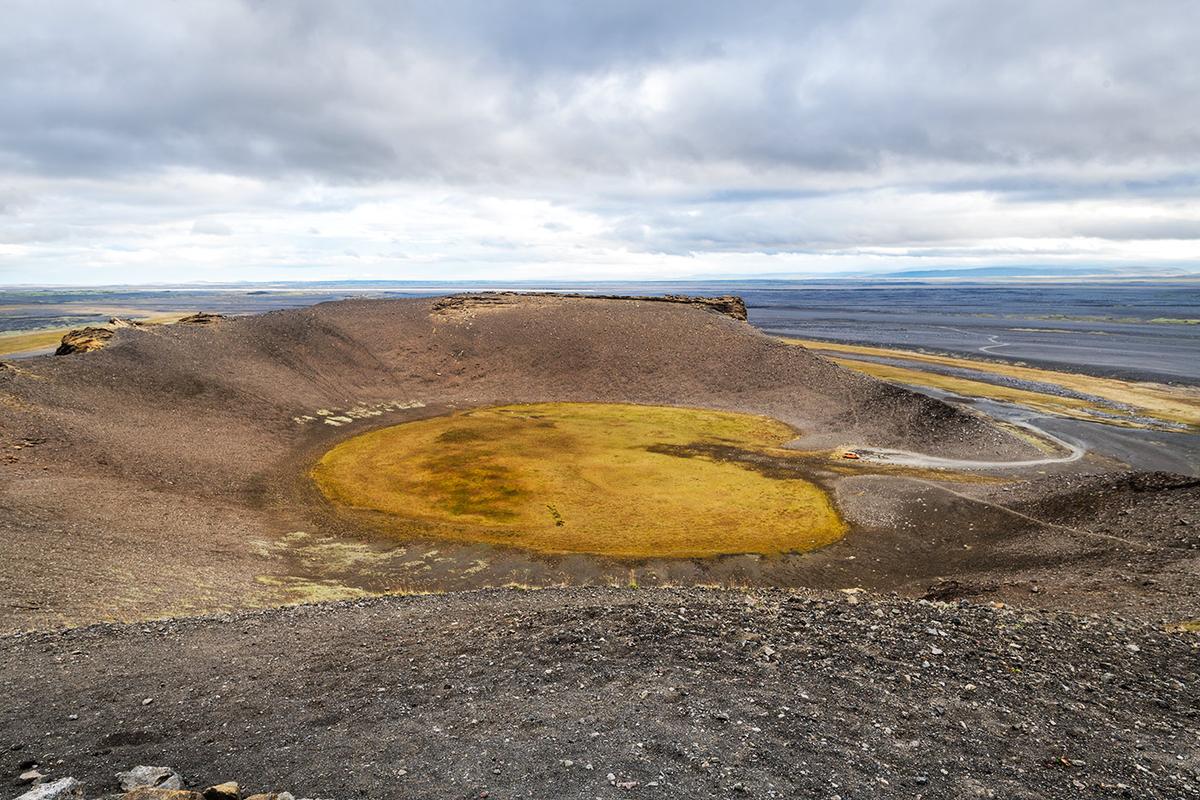
Hrossaborg
A magnificent volcanic crater, often dubbed the 'Horse Fortress,' offering stunning views.
At a Glance
Visit time
1-2 horas para la caminata y exploración
Best Season
Finales de primavera a principios de otoño (mayo-septiembre), especialmente en días despejados
Getting There
Carretera de grava (generalmente transitable para 2WD en verano, pero verifique las condiciones locales), corta caminata desde el estacionamiento.
GPS
65.6158, -16.2605
About
About Hrossaborg
A magnificent volcanic crater, often dubbed the 'Horse Fortress,' offering stunning views.
Hike into the heart of a perfectly preserved volcanic crater and witness nature's raw power.
Tours Near Hrossaborg
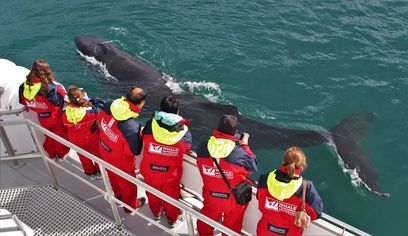
Akureyri Classic Whale Watching
Elding Adventure at Sea · 3 hours
Whale Watching Tour w/ Transfer from Akureyri
Keli sea tours ehf · 4 hours
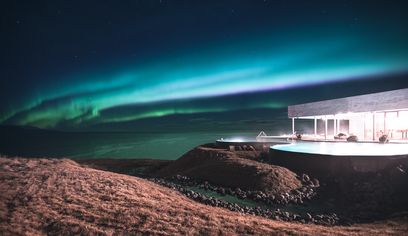
Northern Lights & GeoSea Geothermal Baths Tour (From Akureyri)
Imagine Iceland Travel · 5 hours
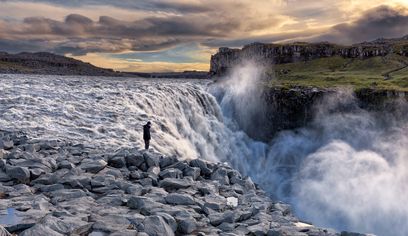
Dettifoss Waterfall, Ásbyrgi and Lake Mývatn - Shore Excursion from Húsavík
BusTravel Iceland · 5 hours 30 minutes
Photos
Gallery
Background
History & Background
Hrossaborg is a magnificent example of an explosive crater, a geological formation born from a single, powerful volcanic event. Unlike shield volcanoes that form from effusive lava flows, Hrossaborg's distinctive circular shape and steep, symmetrical walls are the result of a phreatomagmatic eruption – where rising magma interacts violently with groundwater or surface water, causing steam explosions that pulverize rock and eject it outwards, building the crater rim. This process creates a tephra ring, which is what we see today. The crater is situated within Iceland's active volcanic zone, specifically in an area influenced by the Krafla volcanic system and close to the Mývatn region, renowned for its diverse geomorphology. While the precise age of Hrossaborg is not definitively documented in all public sources, its well-preserved form suggests it is relatively young in geological terms, likely forming thousands rather than millions of years ago. Its natural, fort-like structure has inspired its name, 'Horse Fortress,' hinting at its potential historical use or simply its appearance as a formidable natural stronghold.
Hrossaborg, meaning 'Horse Fortress' or 'Horse Castle,' is a geological marvel located in North Iceland, not far from the famous Lake Mývatn region. This perfectly circular explosive crater stands as a testament to the powerful volcanic forces that have shaped Iceland's landscape over millennia. Formed during a singular, violent eruption, its distinctive, steep-sided walls create a natural amphitheater, making it one of the most visually striking volcanic formations in the country. Visiting Hrossaborg offers more than just a view; it's an immersive experience. A well-maintained hiking trail leads visitors from the parking area up to the crater rim, and for those feeling adventurous, a path descends into the crater itself. The ascent is moderately challenging but incredibly rewarding, with each step revealing new perspectives of the surrounding wilderness. From the rim, the panoramic vistas are breathtaking, encompassing the shimmering waters of Lake Mývatn, the Krafla caldera, and the vast, uninhabited expanses stretching towards the Arctic Circle. The unique microclimate within the crater also supports interesting flora. **Tips for your visit:** While generally accessible during the summer months (May-September), weather conditions in Iceland can change rapidly, so dress in layers and wear sturdy hiking boots. The final stretch of road to the parking area is gravel; while often manageable for 2WD vehicles in summer, always check local road conditions, especially after heavy rain. Allow 1-2 hours to fully enjoy the hike and the incredible views, taking time to truly absorb the silence and grandeur of this natural fortress.
Folklore
Story & Folklore
Ascending the slopes of Hrossaborg feels like stepping back in time, a journey into the very heart of Iceland's raw geological power. The wind, a constant companion, whispers tales of ancient eruptions that sculpted this perfect amphitheater. Imagine, centuries ago, farmers herding their prized Icelandic horses into this natural fortress, its steep walls offering an impenetrable sanctuary against winter storms or unseen threats. Inside, the silence is profound, broken only by the crunch of your boots and the distant cry of a bird, creating a sense of intimate connection with the earth. From the rim, the panoramic views stretch endlessly – the azure expanse of Lake Mývatn, the alien landscapes of Krafla, and the vast, untamed wilderness of North Iceland. It's a place where history, geology, and legend converge, leaving an indelible mark on every visitor.
Did You Know?
Its name, Hrossaborg, translates to 'Horse Fortress,' possibly due to its natural, fort-like shape perfect for corralling horses.
Location
Location
Discover
Explore Nearby
Places within 5.0 km
Loading nearby places…
0 places found within 5.0 km
Plan full itinerary →Explore More