
Grjóthlað
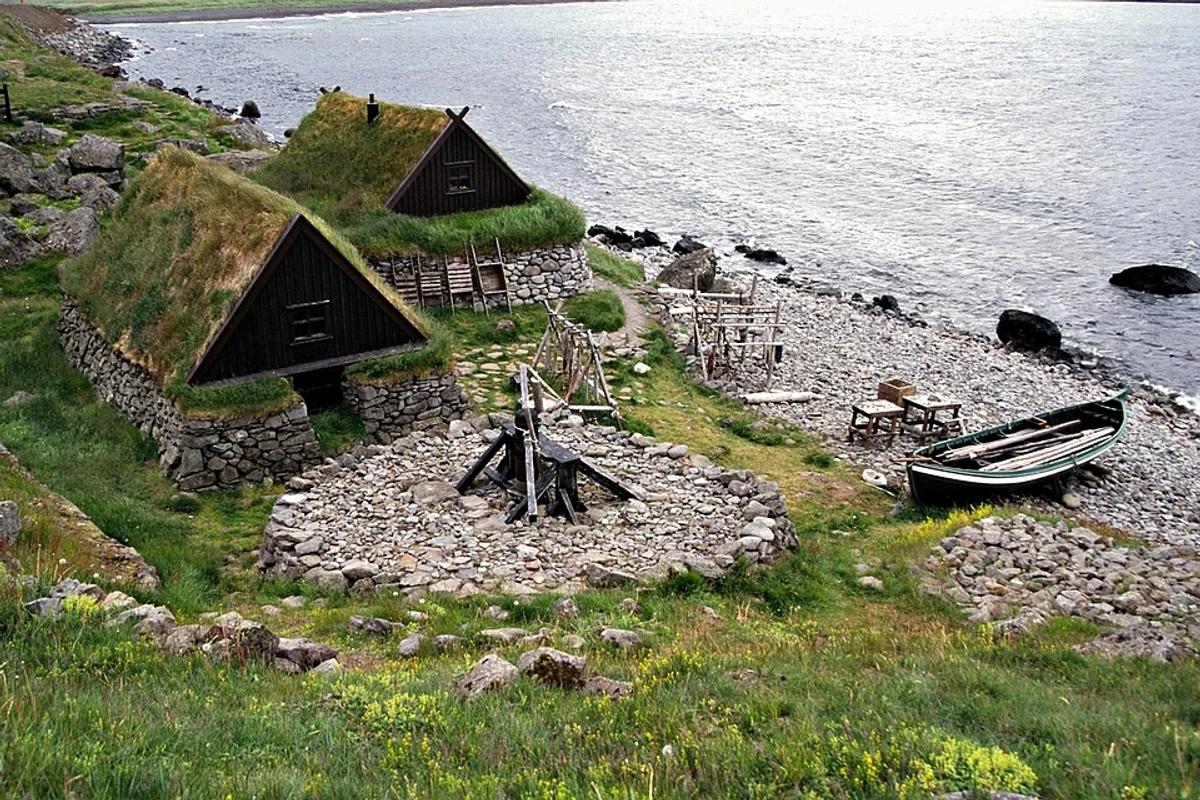
Explore Grjóthlað in Westfjords, where ancient stone foundations and turf houses meet the sea, embodying its 'stone pile' heritage.
About
About Grjóthlað
Explore Grjóthlað in Westfjords, where ancient stone foundations and turf houses meet the sea, embodying its 'stone pile' heritage.
Step back in time amidst authentic turf houses and ancient stone structures by the wild Westfjords sea.
Tours Near Grjóthlað
BIRD WATCHING - puffins and more
Westfjords Adventures · 7 hours
CROWN JEWEL; KJARAN'S AVENUE & DYNJANDI - jeep tour
Westfjords Adventures · 9 hours
Hornstrandir Panorama
Borea Adventures · 10 hours
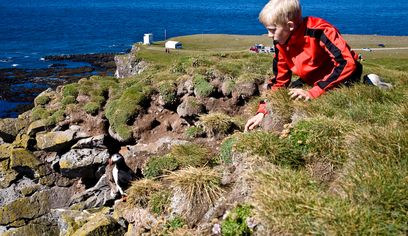
GRAND WEST - Látrabjarg, Rauðasandur & more
Westfjords Adventures · 6 hours
Photos
Gallery
Background
History & Background
Grjóthlað, as its name suggests, is a testament to the enduring presence of stone in Icelandic construction and way of life. While specific historical accounts for *this particular* Grjóthlað are not provided in the research, the site vividly represents the traditional Icelandic settlement patterns common in the Westfjords. Early Icelandic settlers, often of Norse heritage, utilized readily available materials: turf for insulation and roofing, and stone for robust foundations that could withstand the formidable weather. These types of coastal settlements were crucial for survival, combining farming (where possible) with fishing. The turf houses provided shelter, while the proximity to the sea allowed for vital food sources. Structures like the wooden drying racks and boats, visible at Grjóthlað, underscore the importance of fishing and maritime activities to the livelihoods of these communities. The 'stone piles' or cairns themselves could serve various purposes, from property markers to burial sites, or simply as robust building components, reflecting a deep respect for and reliance on the land's resources.
Nestled on the dramatic coastline of Iceland's Westfjords, Grjóthlað offers a profound glimpse into the country's rich historical tapestry, acting as a memorial to the resilient spirit of its early settlers. The name itself, translating to 'stone pile' or 'cairn', perfectly describes the enduring stone foundations and structures that characterize this remarkable site. Visitors are immediately drawn to the two impeccably preserved traditional turf-roofed houses, their dark wooden gables contrasting with the vibrant green sod that insulates them against the harsh elements. These structures, built upon sturdy stone bases, showcase the ingenious architectural solutions developed by early Icelandic settlers. Beyond the houses, the site extends to a raw, pebbly beach where the rhythmic waves of the North Atlantic crash. Here, a traditional small boat rests, laden with what appear to be wooden planks, evoking scenes of ancient fishing expeditions. Nearby, wooden racks, likely used for drying fish, stand as silent sentinels to a bygone era of subsistence. In the foreground, a prominent circular stone enclosure, a true 'grjóthlað', frames a central wooden apparatus, inviting contemplation about its original purpose – perhaps a communal gathering point, a processing area, or a marker of significance. Grjóthlað is not merely a collection of ruins; it is a meticulously preserved or recreated historical landscape that transports you to a time when life in the Westfjords was intimately connected to the land and the sea, offering a tangible connection to Iceland's resilient heritage and commemorating the strength of its past.
Folklore
Story & Folklore
Imagine a time when life clung to the rugged Icelandic coast, sustained by the unforgiving sea and the ingenuity of its people. At Grjóthlað, this ancient spirit comes alive, serving as a poignant memorial to a resilient past. The two turf-roofed houses, their gables dark against the green, speak of shelter carved from the land itself, their stone foundations enduring centuries of Westfjords weather. Down by the pebbly shore, a lone boat lies beached, ready for the next tide, while wooden frames stand sentinel, perhaps for drying the day's catch. The circular stone enclosure in the foreground, a 'grjóthlað' in its truest sense, hints at communal gatherings or essential tasks. This site isn't just a collection of old buildings; it's a whisper from the past, a vivid tableau of survival and tradition against the dramatic backdrop of the North Atlantic, commemorating the spirit of those who lived here.
Did You Know?
Did you know Grjóthlað translates to 'stone pile' or 'cairn' in Icelandic, a fitting name for this site rich with ancient stone foundations and structures?
Explore
Hidden Gems Nearby
The Circular Stone Enclosure
This distinctive circular formation of stones in the foreground, with its central wooden structure, likely served as a communal area or a specific work-space, its exact purpose inviting contemplation.
It offers a tangible mystery, prompting visitors to ponder ancient daily life and rituals.
Traditional Fishing Boat and Drying Racks
Down by the pebbly shore, a small, traditional boat lies beached next to wooden drying racks, illustrating the crucial role of fishing in the historical livelihood of these coastal communities.
These elements vividly depict the subsistence strategies and maritime heritage of the Westfjords.
Ingenious Turf Roofs
Observe closely the thick, grassy turf roofs on the houses. This ancient architectural technique provided superior insulation against Iceland's harsh climate, a testament to settler ingenuity.
It highlights a key aspect of sustainable and resilient historical Icelandic architecture.
Help
Frequently Asked Questions
Location
Location
Discover
Explore Nearby
Places within 5.0 km
Loading nearby places…
0 places found within 5.0 km
Plan full itinerary →Explore More