
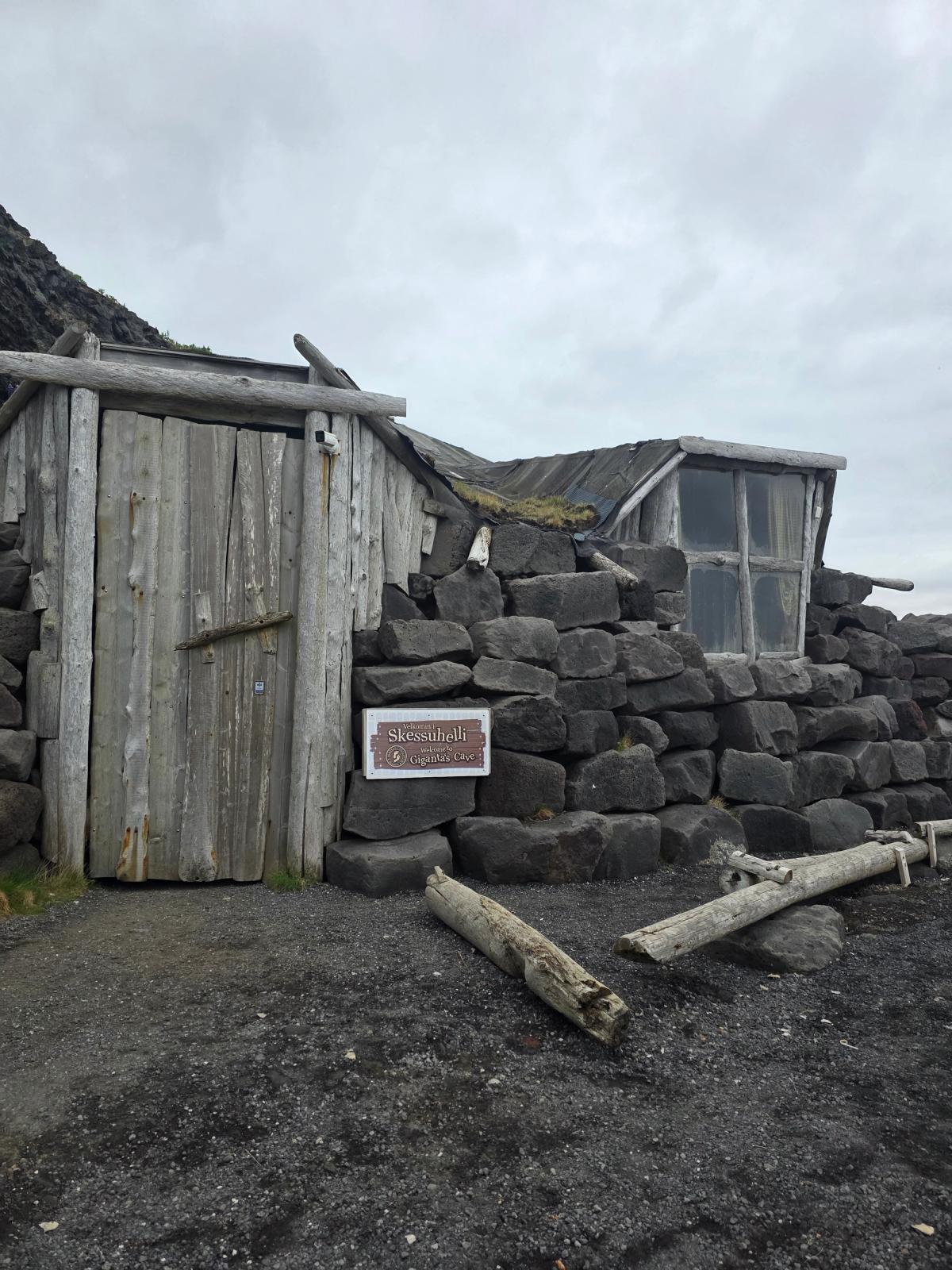
Giganta's Cave
Step into Skessuhellir, Giganta's Cave, a rustic dwelling carved from volcanic rock and driftwood, echoing ancient tales of Iceland's giants.
About
About Giganta's Cave
Step into Skessuhellir, Giganta's Cave, a rustic dwelling carved from volcanic rock and driftwood, echoing ancient tales of Iceland's giants.
Experience a tangible piece of Icelandic folklore and the rugged ingenuity of early settlers in a dramatic coastal setting.
Tours Near Giganta's Cave

South Coast Tour - Black Sand Beach, Plane wreck, Skogafoss, Seljalandsfoss guided in Chinese冰岛南岸黑沙滩飞机残骸中文一日团
Magic Iceland Travel · 10 hours 30 minutes
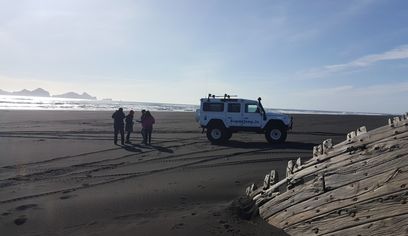
DT 322 Private Superjeep South Coast & Eyjafjallajökull Volcano Sights
Superjeep · 8 hours
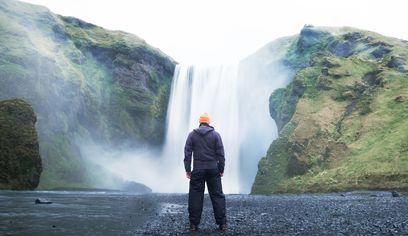
South Coast Waterfalls, Glacier & Black Sand Beach Tour
BusTravel Iceland · 10 hours
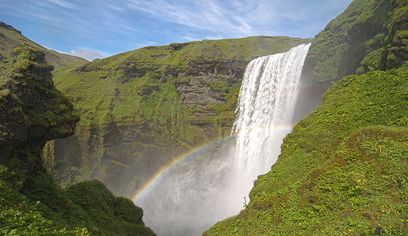
South Coast Small Group Tour: Waterfalls, Glacier & Black Sand Beach
BusTravel Iceland · 10 hours
Photos
Gallery
Background
History & Background
Giganta's Cave, or Skessuhellir, is less about documented historical events and more about the living history of Icelandic folklore and adaptation to the harsh environment. The structure itself is a modern artistic interpretation, built to represent the traditional dwellings that might have been used by early settlers or, in this case, a mythical giantess, using local materials like volcanic rock and driftwood. Its significance lies in its role as a cultural landmark, embodying the powerful tradition of storytelling in Iceland. The Reykjanes Peninsula, with its dramatic landscapes shaped by volcanic activity, has long been a source of inspiration for myths and legends, including tales of giants and hidden folk. Skessuhellir serves as a tangible connection to these ancient narratives, allowing visitors to step into the world of Icelandic sagas and folklore. While not an ancient ruin, the cave stands as a symbol of the enduring spirit of Icelanders and their ability to weave compelling narratives into the very fabric of their rugged homeland, making it a unique blend of art, culture, and nature.
Giganta's Cave, known to locals as Skessuhellir, is a captivating attraction in Reykjanes that offers a unique glimpse into Iceland's geological marvels and rich folklore. This humble yet striking structure is built directly into the side of a rocky outcrop, using the very materials found in abundance in this volcanic region: large, dark basalt rocks form its sturdy base and walls, while weathered, grey driftwood pieces create its door and window frames. The roof, partially covered with soil and grass, blends seamlessly with the surrounding environment, giving it an ancient, almost organic feel. Inside, the cave is said to be the abode of a friendly giantess, adding a whimsical layer to its rugged charm. The simplicity of its construction, with its rustic wooden door and small, multi-paned window, evokes a sense of timelessness and self-sufficiency. Visitors are invited to imagine the lives of those who might have sought shelter or made a home in such a place, connecting with a bygone era of Icelandic ingenuity and resilience. The surrounding area is equally compelling, characterized by its stark, gravelly ground and views of the dramatic Reykjanes peninsula. It's a place where the raw power of nature is ever-present, making the human-made (or giant-made) structure even more poignant. Giganta's Cave is not just a geological formation or a simple hut; it's a doorway into the heart of Icelandic storytelling, where every stone and every piece of wood has a tale to tell. It’s a perfect stop for those seeking an authentic, less-traveled experience that combines natural beauty with cultural depth.
Folklore
Story & Folklore
Nestled amidst the dramatic, windswept landscapes of Reykjanes, Giganta's Cave, or Skessuhellir, stands as a testament to Iceland's profound connection between nature and myth. This unassuming dwelling, built with weathered timber and robust volcanic stones, appears almost to have grown organically from the earth itself. It whispers tales of a time when giants roamed these lands, their presence etched into the very rocks and the fierce ocean winds. Visitors step through its rustic wooden door, feeling the weight of centuries of folklore and the raw power of Icelandic geology. The cave embodies the island's spirit: resilient, ancient, and deeply magical, inviting you to imagine the lives lived and stories told within its stone walls, beneath a sky often as dramatic as the sagas themselves.
Did You Know?
The cave, known locally as Skessuhellir, is said to be the home of a friendly giantess named Grýla, a character from Icelandic folklore.
Explore
Hidden Gems Nearby
Garðskagi Lighthouse
Just a short drive away, visit the iconic Garðskagi lighthouses, offering spectacular ocean views and excellent birdwatching opportunities.
It's a beautiful, peaceful spot perfect for sunset and marine life spotting.
Bridge Between Continents
Experience walking between the Eurasian and North American tectonic plates at this unique geological bridge, a short drive from the cave.
It's a fascinating and easily accessible spot to witness the Earth's shifting crust.
Help
Frequently Asked Questions
Location
Location
Discover
Explore Nearby
Places within 5.0 km
Loading nearby places…
0 places found within 5.0 km
Plan full itinerary →Explore More