
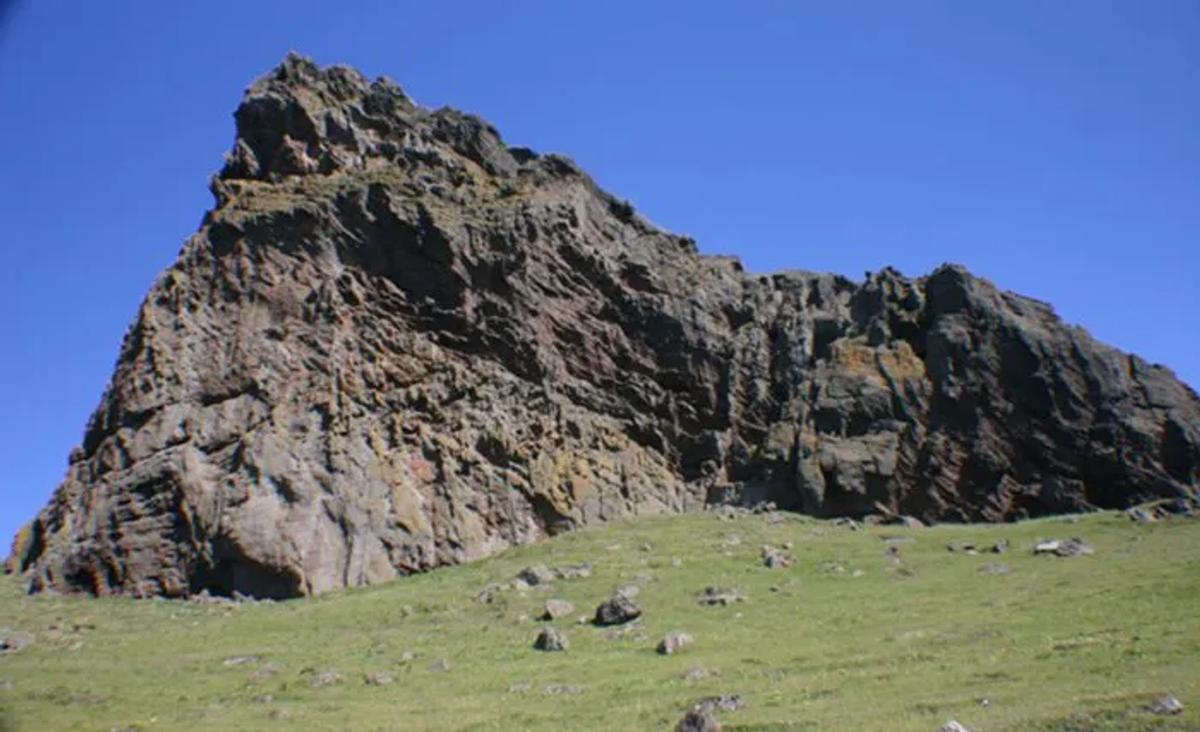
Fiskhellar
Historic cliff caves on Heimaey linked with fish drying and accounts of the 1627 raid.
About
About Fiskhellar
Historic cliff caves on Heimaey linked with fish drying and accounts of the 1627 raid.
Discover a unique blend of geological wonder and stark historical tales within a dramatic cliffside setting.
Tours Near Fiskhellar

South Coast Tour - Black Sand Beach, Plane wreck, Skogafoss, Seljalandsfoss guided in Chinese冰岛南岸黑沙滩飞机残骸中文一日团
Magic Iceland Travel · 10 hours 30 minutes
DT 322 Private Superjeep South Coast & Eyjafjallajökull Volcano Sights
Superjeep · 8 hours
South Coast Waterfalls, Glacier & Black Sand Beach Tour
BusTravel Iceland · 10 hours
South Coast Small Group Tour: Waterfalls, Glacier & Black Sand Beach
BusTravel Iceland · 10 hours
Photos
Gallery
Background
History & Background
Fiskhellar, or 'Fish Caves,' are naturally formed caves located on the southern and western sides of Hánni, characterized by their steep, sheer cliff faces. These geological formations, shaped by Iceland's dynamic volcanic and glacial forces over thousands of years, have long played a significant role in the lives of local inhabitants. In earlier centuries, the caves were primarily utilized for drying fish. The conditions within Fiskhellar were exceptionally favorable for this purpose, offering a continuous breeze and a notable scarcity of flies, making them an ideal natural facility for preserving vital food resources. The most dramatic and somber chapter in Fiskhellar's history dates back to the infamous Turkish Abductions of 1627. During this devastating raid by Ottoman pirates, many locals from the Vestmannaeyjar islands and surrounding mainland sought desperate refuge within the caves and crevices of Fiskhellar. Accounts describe men, women, and children ascending to higher, more secluded spots, such as the Þorlaugargerðishilla (Þorlaugargerði's Ledge), where farmers from Þorlaugargerði traditionally kept their fish shelters. This ledge is situated very high up in the rock face, offering a seemingly secure, although precarious, sanctuary. Despite popular sagas suggesting successful escapes, historical consensus indicates a more tragic outcome. It is widely believed that many of those who sought shelter on the lower ledges of the cliff face were tragically shot down by the raiders. Thus, Fiskhellar stands not only as a natural wonder but also as a powerful memorial to a harrowing period in Icelandic history, embodying both a place of sustenance and a site of profound human tragedy and resilience.
Fiskhellar are located in the steep rock landscape of Heimaey. Their sheltered, ventilated setting made the caves useful for fish drying and related work. Historical and local accounts also connect the area with people seeking refuge during the 1627 raid on Vestmannaeyjar. The cliffs are steep and potentially dangerous, so visitors should use established access and avoid exposed ledges.
Did You Know?
During the 1627 Turkish Abductions, locals sought desperate refuge in Fiskhellar's high ledges, though many were tragically shot from below.
Explore
Hidden Gems Nearby
Þorlaugargerðishilla
This specific high ledge within Fiskhellar served as a desperate, yet ultimately perilous, refuge for families during the 1627 Turkish Abductions. It's a poignant reminder of human resilience and tragedy.
It's the legendary, high-up sanctuary tied to a dramatic historical event.
The Grassy Slopes
Wander the verdant, rock-strewn slopes at the base of the imposing cliff. These lower areas offer the best vantage point to appreciate the scale of Fiskhellar and imagine the historical events.
Offers panoramic views of the cliffs and a sense of the historical landscape.
Ancient Fish Drying Shelters
Seek out the more accessible cave entrances and sheltered nooks at the cliff's base, which were historically used for drying fish. Feel the constant breeze that made them so effective.
Connects you directly to the ancient practical use of the caves and their unique microclimate.
Help
Frequently Asked Questions
Location
Location
Discover
Explore Nearby
Places within 5.0 km
Loading nearby places…
0 places found within 5.0 km
Plan full itinerary →Explore More