

Fagradalsfjall Volcanic Eruption Site
Fagradalsfjall became world-famous during the 2021-2023 eruptions that created Iceland's newest lava fields.
About
About Fagradalsfjall Volcanic Eruption Site
Fagradalsfjall became world-famous during the 2021-2023 eruptions that created Iceland's newest lava fields.
Witness the dramatic volcanic landscapes at Fagradalsfjall Volcanic Eruption Site and see the forces that shaped Iceland
Tours Near Fagradalsfjall Volcanic Eruption Site

South Coast Tour - Black Sand Beach, Plane wreck, Skogafoss, Seljalandsfoss guided in Chinese冰岛南岸黑沙滩飞机残骸中文一日团
Magic Iceland Travel · 10 hours 30 minutes
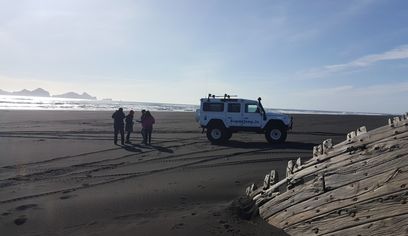
DT 322 Private Superjeep South Coast & Eyjafjallajökull Volcano Sights
Superjeep · 8 hours
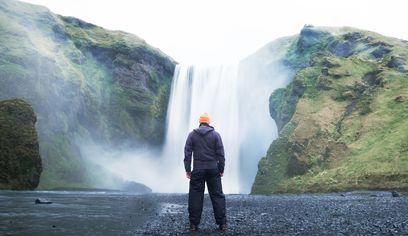
South Coast Waterfalls, Glacier & Black Sand Beach Tour
BusTravel Iceland · 10 hours
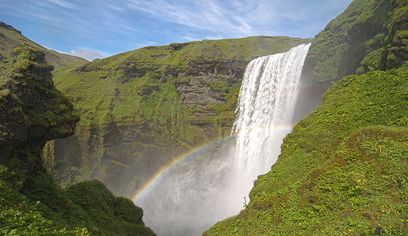
South Coast Small Group Tour: Waterfalls, Glacier & Black Sand Beach
BusTravel Iceland · 10 hours
Photos
Gallery
Background
History & Background
Fagradalsfjall Volcanic Eruption Site is part of Iceland's dramatic volcanic landscape in the Reykjanes Peninsula, shaped by millennia of eruptions along the Mid-Atlantic Ridge. Iceland's volcanic history stretches back 16-18 million years, with the island itself emerging from the ocean through volcanic activity. The geological formations here tell the story of fire and ice — of eruptions that reshaped the land and glaciers that carved it further. Historical eruptions in this region have been documented in Icelandic annals dating back to the 12th century. The interplay between volcanic heat and Arctic climate has created a unique ecosystem found nowhere else on Earth, making sites like this invaluable for both scientific research and tourism.
Fagradalsfjall became world-famous during the 2021-2023 eruptions that created Iceland's newest lava fields. The eruptions were relatively accessible, allowing thousands to witness flowing lava up close. The cooled lava creates an alien landscape of black, twisted rock formations. The area remains geothermally active and represents the dynamic volcanic processes that continue to shape Iceland.
Folklore
Story & Folklore
The cooled lava creates an alien landscape of black, twisted rock formations. The area remains geothermally active and represents the dynamic volcanic processes that continue to shape Iceland.
Did You Know?
Iceland has over 30 active volcanic systems and experiences an eruption on average every 4-5 years
Explore
Hidden Gems Nearby
Lava Formations Close-Up
Look carefully at the lava formations near Fagradalsfjall Volcanic Eruption Site — each tells a story of how it cooled.
Rope lava, pillow lava, and columnar basalt each formed under different conditions, creating a geological textbook in stone.
Moss & Lichens
The moss and lichen growing on the volcanic rock are some of the first life to colonize new lava fields.
Some of these organisms grow less than 1cm per year, meaning the patches you see may be decades or centuries old.
Sunset Colors
The volcanic rock takes on incredible red and gold hues during sunset.
The iron-rich minerals in the lava glow in warm light, creating a photographer's paradise.
Help
Frequently Asked Questions
Location
Location
Discover
Explore Nearby
Places from our database within 5.0 km — all data from Sanity
Loading nearby places…
0 places found within 5.0 km
Plan full itinerary →Explore More