
Búðakirkja
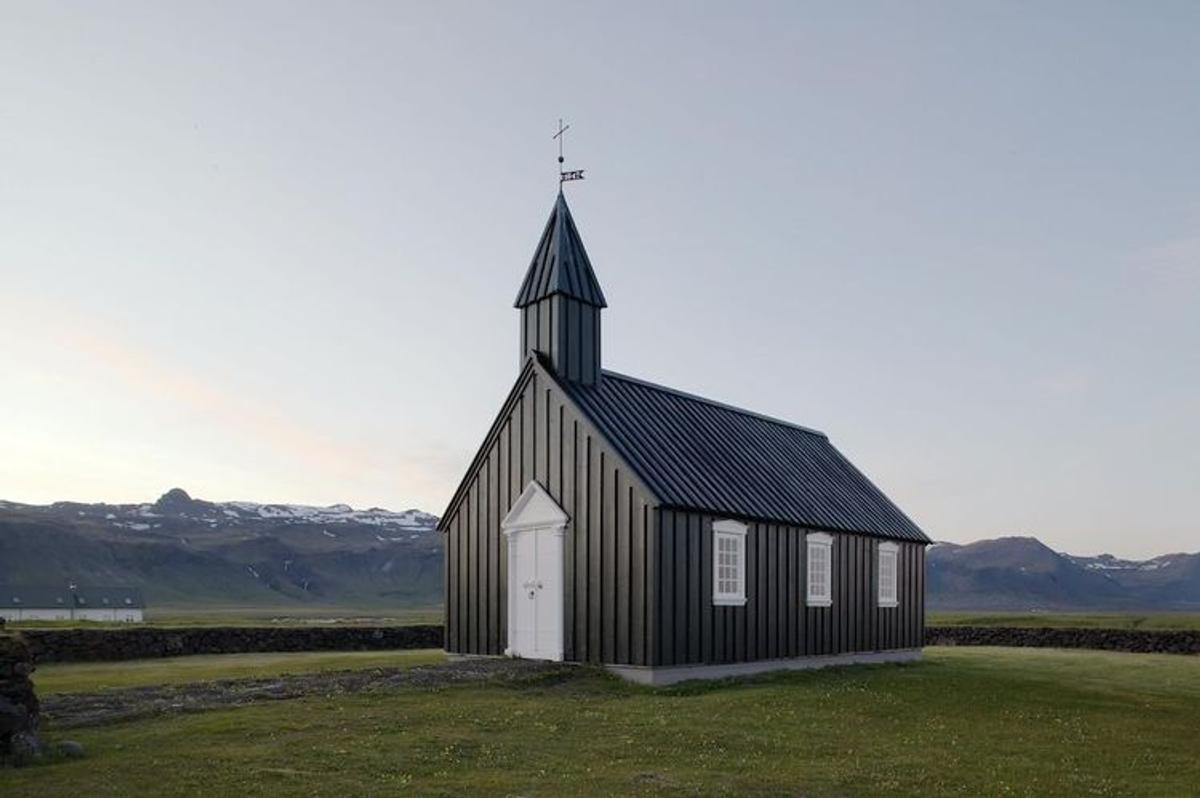
The iconic black church of Búðakirkja stands majestically against Iceland's dramatic Snæfellsnes landscape.
About
About Búðakirkja
The iconic black church of Búðakirkja stands majestically against Iceland's dramatic Snæfellsnes landscape.
Experience the iconic beauty and serene solitude of Iceland's famous black church against a stunning natural backdrop.
Tours Near Búðakirkja

Buggy tours around Snæfellsjökull. 2 hour tour
Glacier Paradise · 2 hours 30 minutes

Buggy tours around Snæfellsjökull. 1 hour tour
Glacier Paradise · 1 hour

Private Tagestour Westisland ab Reykjavík mit Stopp am Langjökull
SPS Travel · 8 hours
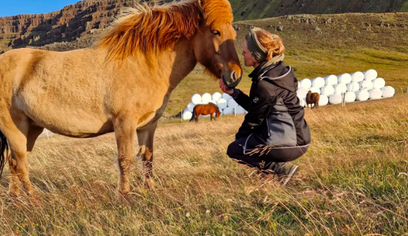
Private Farm Visit & Silver Circle Day Tour in West Iceland
Rest in the West · 12 hours
Photos
Gallery
Background
History & Background
The history of Búðakirkja is a testament to the enduring faith and perseverance of the local community. The first iteration of the church at Búðir came into being around 1700, thanks to the efforts of Bent Lauritzson, a Swedish-descended man residing in Búðir. He arranged for an ancient half-church from Hraunhöfn to be moved and rebuilt on the site. This early church served as a spiritual center, with records suggesting that the acclaimed, albeit infirm, poet Guðmundur Bergþórsson, who passed away in 1705, may have been among the very first, if not the first, to be laid to rest in its consecrated grounds. However, the church's journey was not without its challenges. In 1816, Búðakirkja was decommissioned, marking a period of uncertainty for the local congregation. The fate of the church remained in limbo until Steinunn Lárusdóttir emerged as a formidable advocate for its revival. Her relentless efforts culminated in receiving royal permission for its re-establishment in 1847. Just one year later, in 1848, a new church proudly stood on the original foundation, once again serving as a beacon for the community. The current structure maintains a deep connection to its past. In 1987, Búðakirkja underwent a significant restoration, carefully bringing it back to its original form. This meticulous effort culminated in its re-consecration on September 6, 1987, ensuring that this iconic black church continues to stand as a beautiful and historically rich symbol against the dramatic backdrop of West Iceland.
Búðakirkja, the iconic black church, is a must-visit landmark on the Snæfellsnes Peninsula in West Iceland, renowned for its striking appearance and serene surroundings. Visually, the church is a masterpiece of minimalist design, its dark timber siding and roof contrasting sharply with the bright white doors, windows, and steeple details. This stark beauty is amplified by its isolated location, set against a verdant field, a low stone wall, and the majestic, often snow-dusted, mountains of the region. The church’s history is as compelling as its aesthetics. First established around 1700 after a half-church was moved from Hraunhöfn, it served the local community for over a century before being decommissioned in 1816. However, through the dedicated efforts of Steinunn Lárusdóttir, royal permission was secured, and a new church rose on the old foundations in 1848. Its current form is the result of a faithful restoration completed in 1987, preserving its original charm. Visitors can explore the peaceful church grounds, admire the unique architecture, and soak in the profound tranquility of the Icelandic landscape that surrounds it. It's an ideal spot for photography, reflection, and experiencing a piece of Iceland's enduring cultural and religious heritage. Combine your visit with explorations of the nearby Búðahraun lava field and the black sand beach for a truly memorable experience.
Folklore
Story & Folklore
Imagine the raw, untamed beauty of the Snæfellsnes Peninsula, where the elements sculpt the land and the sky stretches endlessly above. Here, nestled in a vast field of green, stands Búðakirkja, a striking black church with crisp white doors and windows. Its dark facade, a stark contrast to the pale sky and distant snow-capped mountains, hints at centuries of stories whispered on the wind. Originally moved to this spot around 1700, it faced dissolution in 1816, its fate uncertain. Yet, the spirit of the community, embodied by Steinunn Lárusdóttir, ensured its resurrection. Rebuilt in 1848 and again meticulously restored in 1987, this resilient structure stands as a testament to faith and persistence, offering a tranquil sanctuary where history and breathtaking nature converge. Visitors often find themselves drawn to its quiet power, reflecting on the lives touched by its steeple and the dramatic landscapes it has silently witnessed for generations.
Did You Know?
Búðakirkja was once dissolved in 1816 but was rebuilt on its original foundation in 1848, thanks to the perseverance of a local woman, Steinunn Lárusdóttir.
Explore
Hidden Gems Nearby
Búðahraun Lava Field
Just steps from the church, explore the rugged Búðahraun lava field, a captivating landscape formed by ancient volcanic eruptions. Wander through moss-covered rocks and unique geological formations.
It offers a dramatic contrast to the church's serenity and showcases Iceland's powerful geological forces.
Búðir Black Sand Beach
A short walk from Búðakirkja leads to a secluded black sand beach, offering stunning views of the Atlantic Ocean and the Snæfellsjökull glacier on clear days.
The unique black sands and coastal views provide a striking backdrop for photography and a peaceful escape.
Hótel Búðir
Located nearby, Hótel Búðir is a charming and renowned hotel offering exquisite dining and comfortable accommodations, perfect for an overnight stay or a meal with a view.
It's an excellent spot for a gourmet meal or a luxurious stay amidst the stunning natural beauty.
Help
Frequently Asked Questions
Location
Location
Discover
Explore Nearby
Places within 5.0 km
Loading nearby places…
0 places found within 5.0 km
Plan full itinerary →Explore More