Natural Hot Spring
Reykjanesvirkjun
reykjanes
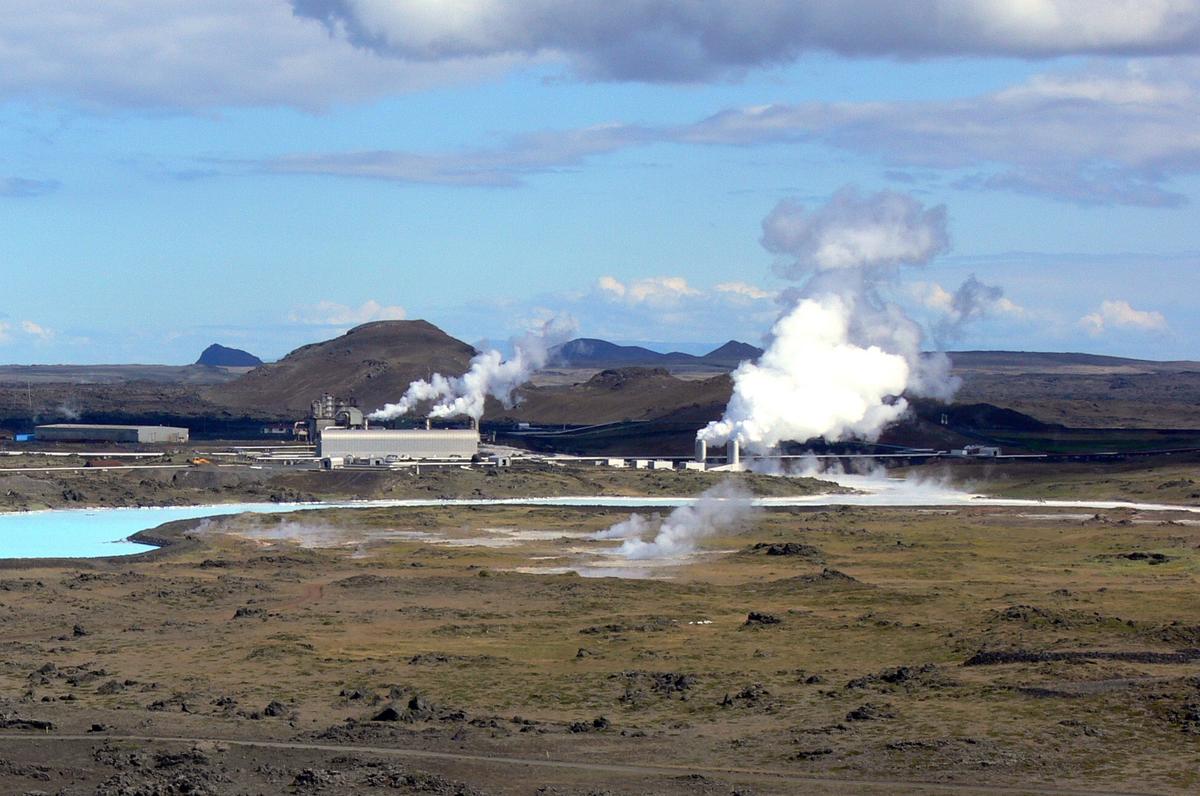
Reykjanesvirkjun is a 100 MW geothermal power station operated by HS Orka near the southwestern tip of the Reykjanes Peninsula. The plant uses high-temperature geothermal resources from the Reykjanes field and is cooled with seawater drawn from coastal wells. The site is industrial infrastructure rather than a hot spring or public bathing attraction. A former interactive exhibition called Orkuverið Jörð (Power Plant Earth) operated inside the plant for many years after opening in 2008, but HS Orka states that the exhibition was discontinued several years ago. General public traffic within HS Orka's operational area is prohibited.
Understand the industrial side of Reykjanes geothermal energy from legal public viewpoints, while combining the area with nearby Gunnuhver and Reykjanesviti.
Story
Reykjanesvirkjun demonstrates how the same heat that powers mud pools and steam vents can be turned into electricity. Beneath the peninsula, groundwater and seawater circulate through fractured volcanic rock heated by the active geothermal system. Wells bring that energy to the surface, where steam drives turbines before coastal seawater is used for cooling. For years visitors could learn about this relationship inside the Power Plant Earth exhibition, opened in 2008. The exhibition has since closed, while the power station continues its industrial role. That distinction matters for travellers today: Reykjanesvirkjun is part of the story of Icelandic geothermal engineering, but it is an active work site rather than an open tourist attraction.
About Reykjanesvirkjun
Reykjanesvirkjun is a major geothermal power station operated by HS Orka on the southwestern Reykjanes Peninsula. The plant began producing electricity in 2006 and has an installed capacity of 100 MW. It taps the high-temperature Reykjanes geothermal system, where seawater-influenced geothermal fluid and steam circulate through hot volcanic rock at depth. The power station is unusual for its coastal cooling system. HS Orka has described deep seawater wells near the shore that supply large volumes of cold seawater for cooling. The plant therefore sits at a direct intersection of volcanic heat, industrial engineering and the Atlantic coast. For many years the station also housed the interactive Orkuverið Jörð, or Power Plant Earth, exhibition. Opened in 2008, it explained geothermal energy, other forms of energy and the solar system. HS Orka confirmed in 2026 that the exhibition had been discontinued several years earlier because it was considered outdated. The site should therefore not be advertised as a currently open visitor exhibition. Reykjanesvirkjun remains an operating industrial facility. General public traffic within HS Orka's work area is prohibited, so travellers should view the station only from legal public roads and viewpoints and must not enter operational or fenced areas. Nearby public attractions such as Gunnuhver, Reykjanesviti and Valahnúkamöl provide safer ways to experience the surrounding geothermal and volcanic landscape.
History
Reykjanesvirkjun began operation in 2006 and was developed as a 100 MW geothermal power station by HS Orka. The Power Plant Earth educational exhibition opened inside the station in 2008 and operated for years as a public education facility. HS Orka reported in 2026 that the exhibition had been closed several years earlier. The power station continues to operate as important energy infrastructure on the Reykjanes Peninsula.
Did You Know?
- Reykjanesvirkjun is a geothermal power station, not a hot spring or bathing site.
- Installed electrical capacity is 100 MW.
- The plant began operation in 2006.
- The station uses high-temperature geothermal resources from the Reykjanes field.
- Seawater from coastal wells is used in the cooling system.
- The Power Plant Earth exhibition opened in 2008 but has since been discontinued.
- General public traffic inside HS Orka's operational area is prohibited.
Did You Know?
The former Power Plant Earth exhibition opened at Reykjanesvirkjun in 2008 but was discontinued several years ago; the operating power-station area is not open to general public traffic.