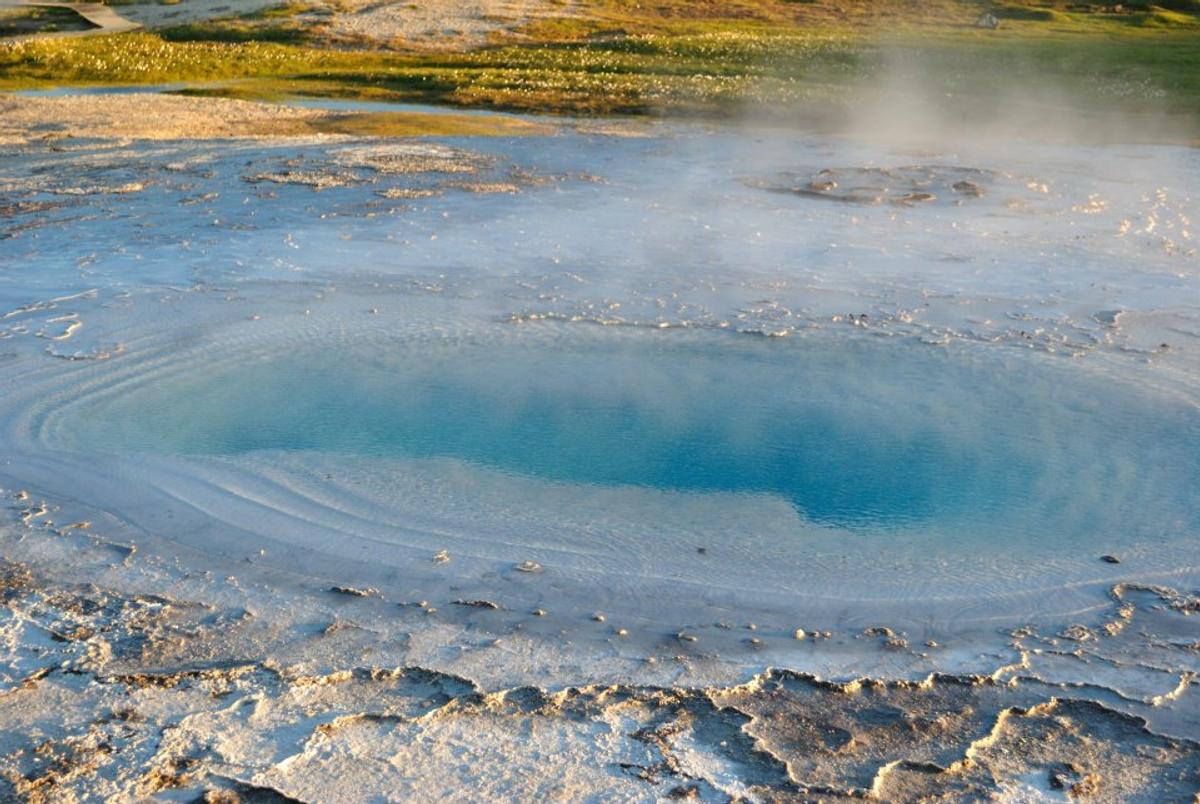
Natural Hot Spring
Hveravellir
highlands
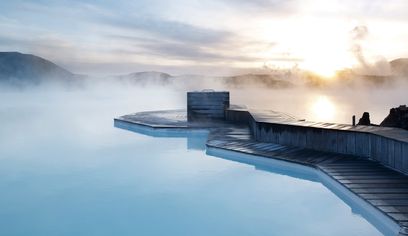
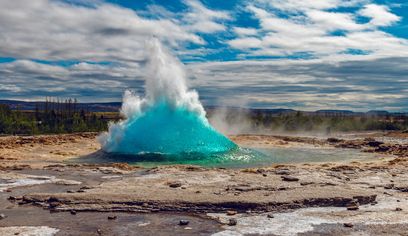
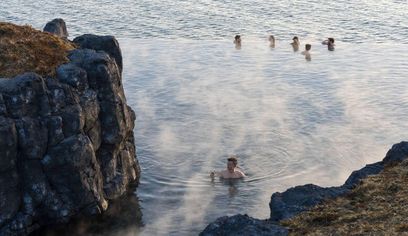
Hveravellir is a remote geothermal oasis in the central highlands of Iceland, located along the Kjölur route (F35). Hot springs, fumaroles, and bubbling mud pools dot the landscape, with striking white mineral formations and plumes of steam rising against the rugged terrain. A natural hot pot, visually distinct with its serene blue hue, offers one of Iceland's most atmospheric bathing experiences under open skies.
Experience a natural hot pool and active geothermal features in the heart of Iceland's stunning highlands.
Story
Nestled in the vast, gravelly expanse of Iceland's central highlands, Hveravellir stands as a vibrant geothermal oasis along the historic Kjölur route. For centuries, this area, marked by powerful plumes of steam rising from white-domed vents and the tranquil azure of a natural hot pool, has offered respite to weary travelers. In the 18th century, it became the unlikely refuge for the legendary outlaw Fjalla-Eyvindur, who, amidst the harsh, desolate landscape, found warmth and sustenance in the very hot springs that still bubble today. The striking contrast of the vivid blue pool against the ochre sulphur deposits and the raw black lava, all under the dramatic highland sky, creates an extraordinary spectacle. Today, Hveravellir continues its legacy as a cherished stop, inviting adventurers to soak in its geothermally heated waters, just as generations before have done, connecting with the wild heart of Iceland.
About Hveravellir
Hveravellir is a protected high-temperature geothermal area on Kjölur, between Langjökull and Hofsjökull, at roughly 630 metres above sea level. Hot springs, geothermal vents and colourful mineral encrustations define the site. A campsite and mountain huts operate seasonally, and a bathing pool uses overflow water from the geothermal area. Visitors should stay on marked paths and check current highland-road conditions before travelling.
History
Hveravellir in the Highlands sits atop one of Iceland's many geothermal hotspots, a testament to the volcanic forces that continue to shape this island. Located approximately 600-650 meters above sea level, this significant geothermal area has been central to Icelandic life since the earliest settlers arrived in the 9th century. The Norse settlers quickly learned to harness hot springs for bathing, cooking, and washing, a tradition deeply embedded in Icelandic culture, exemplified by structures like the 13th-century Snorralaug (Snorri's Pool). The area has long been recognized as a vital resting place for travelers crossing the challenging Kjölur route. Its remote and harsh environment also made it an ideal, albeit difficult, sanctuary; in the 18th century, the notorious outlaw Fjalla-Eyvindur famously hid here for years, utilizing the natural hot springs for survival. In the 20th century, Iceland pioneered the use of geothermal energy for district heating, a practice that now heats about 90% of Icelandic homes. Sites like Hveravellir represent both the ancient and modern relationship between Icelanders and their geothermal landscape, blending historical tales with geological marvels.
Did You Know?
- Hveravellir is a protected geothermal area on the Kjölur route between Langjökull and Hofsjökull.
- Known geothermal features include Bláhver, Öskurhóll, Rauðihver, Fagrihver and Eyvindarhver.
- Öskurhóll is a steam vent whose name refers to the loud roaring and whistling sounds it produced in the past.
- The marked Green Trail links the geothermal area with Eyvindarhellir and Eyvindarrétt and takes roughly 30–45 minutes for that section.
- Hveravellir has accommodation, camping, a restaurant and a geothermal bathing pool, making it one of the main service stops on the Kjölur route.
Did You Know?
The outlaw Fjalla-Eyvindur hid here in the 18th century, using the hot springs for warmth and cooking.