

seasonal
Iceland Winter Travel Guide
Plan a winter trip to Iceland: compare the months from November to March, understand daylight and weather, choose winter activities and prepare for winter roads.
Updated
What Iceland Is Like in Winter
Winter in Iceland runs roughly from November to March. Days are short — around four hours of daylight in Reykjavík at the December solstice — while nights are long enough for Northern Lights viewing whenever the sky clears. Snow and ice are common, but in Reykjavík and along the south coast the weather is often closer to freezing, wet and windy than deeply cold. Wind is usually the bigger problem: storms can close roads and cancel tours at short notice.
Iceland's main roads, including the Ring Road, are kept open in winter as far as conditions allow, but closures do happen, especially in the north and east and on mountain passes. The Highland F-roads are closed to ordinary traffic through the winter, so interior areas such as Landmannalaugar and Askja are reached only on specialised guided trips, if at all.
Who winter travel suits
- Travellers who want Northern Lights chances and are happy to keep several evenings free
- Anyone keen on guided ice caves, glacier walks and snowmobiling
- People who enjoy geothermal bathing, snowy landscapes and quieter sightseeing
- Flexible planners who can move or cancel a day when the weather turns
Who may prefer another season
- Hikers hoping to reach the Highlands — trails and F-roads open in summer
- Anyone planning long self-drive days or a fast Ring Road loop
- Birdwatchers — puffins are generally present only from about late April to August
- Travellers who find icy paths or winter driving stressful and would rather not rely on guided tours
The key trade-offs
- Short days: less time for sightseeing and driving, so plan fewer stops per day.
- Long nights: many dark hours for aurora viewing, which the bright summer nights don't allow.
- Changeable weather: storms can close roads and disrupt flights and tours — build in a spare day.
- Fewer crowds: outside the Christmas and New Year period, popular sites are generally quieter than in summer, though the Golden Circle and South Coast are rarely empty.
Iceland Month by Month in Winter
Each winter month has a different balance of darkness, daylight and conditions. These summaries point to our full month guides, which cover weather, driving, itineraries and activities in detail.
Daylight: about 8 → 5 hours
Iceland in November
Winter arrives. The aurora season is well under way, natural ice-cave tours usually start once guides judge conditions safe, and it's quiet before the Christmas season.
Read the November guideDaylight: about 5 → 4 hours; shortest around 21 December
Iceland in December
The darkest month, with the longest nights of the year and a festive atmosphere in Reykjavík. Expect holiday closures and changed opening hours around 24–26 December and New Year's Eve.
Read the December guideDaylight: about 4½ → 7 hours
Iceland in January
Deep winter after the holidays: snowy landscapes, quieter sights and guided ice caves in their typical season. Keep driving legs short and leave room for weather delays.
Read the January guideDaylight: about 7 → 10 hours
Iceland in February
Days lengthen quickly while nights stay long and dark for aurora viewing — a good balance of winter activities and sightseeing time.
Read the February guideDaylight: about 10 → 13½ hours
Iceland in March
Light returns fast around the equinox, but winter conditions often continue. Aurora chances carry on through the month, and natural ice-cave access usually winds down as temperatures rise.
Read the March guideShoulder season · daylight: about 13½ → 16¾ hours
Iceland in April
Snow can linger and the weather still changes quickly, but days are long. Nights become too short for reliable aurora viewing, and the natural ice-cave season is generally over.
Read the April guideDaylight and Weather: What Changes Month to Month
Daylight is the biggest practical difference between the winter months. Figures are sunrise-to-sunset times for Reykjavík at the start and end of each month; twilight adds some usable light on either side.
| Month | Daylight in Reykjavík | What it means for planning |
|---|---|---|
| November | 8h 00m → 5h 06m | Still room for a full sightseeing day early in the month; by late November, plan around roughly five hours of light. |
| December | 5h 01m → 4h 07m (21 Dec) → 4h 20m | The shortest days of the year. Keep driving legs short and do outdoor stops between late morning and mid-afternoon. |
| January | 4h 23m → 6h 59m | Early-January days are almost as short as December's; daylight then grows by about 2½ hours during the month. |
| February | 7h 06m → 10h 02m | Much more usable light for longer day trips, with nights still long enough for aurora viewing. |
| March | 10h 09m → 13h 25m | Day and night even out around the equinox, while winter weather can continue. |
| April | 13h 31m → 16h 44m | Long days and short nights, so aurora chances fade as the month goes on. |
Calculated for Reykjavík (sunrise to sunset; times vary by a minute or two between years). North Iceland has shorter midwinter days — about 3 hours in Akureyri on 21 December. Monthly figures say nothing about the weather on your dates: check the forecast at en.vedur.is and road status at umferdin.is before every drive.
Forecasts matter more than averages
Winter weather in Iceland changes quickly, and wind is often a bigger problem than cold. Take the Icelandic Met Office's yellow, orange and red warnings seriously, plan around current forecasts rather than monthly averages, and keep a spare day for weather.
Things to Do in Iceland in Winter
Most of Iceland's best winter experiences depend on darkness, ice or geothermal heat — and many need a clear night, a guide, or both. Treat the list below as a menu to build a flexible trip around, not a checklist to complete on fixed days.
- [Northern Lights](#northern-lights) — a chance on clear, dark nights, never a guarantee
- [Ice caves, glacier walks and snowmobiling](#ice-caves-and-glaciers) — guided only, conditions permitting
- [Geothermal lagoons and pools](#geothermal-bathing) — hot water in cold air
- [Golden Circle and South Coast](#golden-circle-south-coast) — Iceland's classic day routes, under snow
- [Reykjavík in winter](#reykjavik-in-winter) — museums, pools, food, concerts and indoor shows
- [Whale watching](#whale-watching) — possible from Reykjavík on reduced, weather-dependent schedules
Northern Lights in Winter
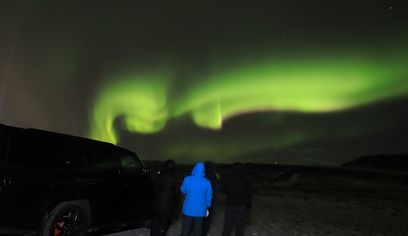
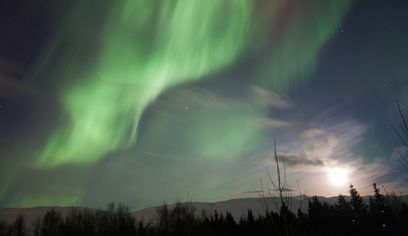
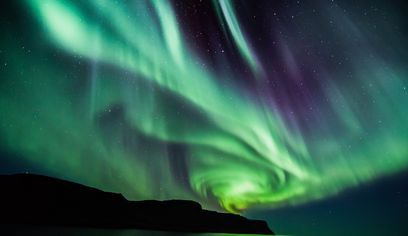
The Northern Lights can be seen in Iceland roughly from September to April, whenever the sky is dark and clear enough and solar activity cooperates. Winter's long nights simply give you more hours in which that can happen — but cloud cover decides many nights, and no month, tour or location can guarantee a sighting.
The practical approach is to treat every clear evening as an opportunity: check the aurora and cloud-cover forecast from the Icelandic Met Office each afternoon, keep evenings flexible, and get away from city lights. Guided tours handle the driving in darkness and often offer a rebooking if the lights don't appear — check the terms before you book.
For locations, forecasts, photography settings and a month-by-month view, see our Northern Lights in Iceland guide.
🌌 See the Northern Lights
Track real-time aurora activity and plan your Northern Lights trip with AuroraVision.
Northern Lights Tours
Guided aurora tours for your dates. Operators decide each evening whether conditions give a realistic chance.
 4 hours
LUX 110 Luxury Northern Lights Tour, Aurora Borealis
Superjeep
From
159,900 ISK
 3 hours
Private Northern Lights Tour
Imagine Iceland Travel
From
129,000 ISK
 4 hours
Reykjavik by Helicopter & Northern Lights by Boat
Special Tours
From
50,690 ISK
 11 hours 30 minutes
The Golden Circle & Northern Lights - Combo Deal
Reykjavik Excursions by Icelandia
From
20,299 ISK
 2 hours 30 minutes
Northern Lights Yacht Cruise
Harpa Yachts
From
12,990 ISK
 4 hours
PRIVATE Northern Lights Hunt
Travelling Iceland
From
189,000 ISK
Ice Caves, Glacier Walks and Snowmobiling
Natural ice caves
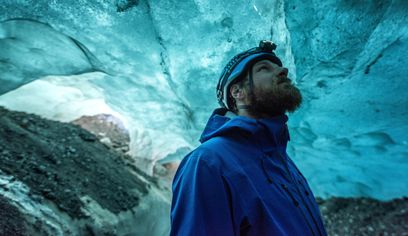
Iceland's blue ice caves form inside glaciers and change every year. Guided tours usually run from around November to March, departing mainly from the Jökulsárlón and Skaftafell area in the southeast, with the Katla ice cave on Mýrdalsjökull reached from Vík. Access always depends on current ice and weather conditions and on the guides' safety assessment — tours can be cancelled or moved at short notice, and caves should never be entered without a certified guide.
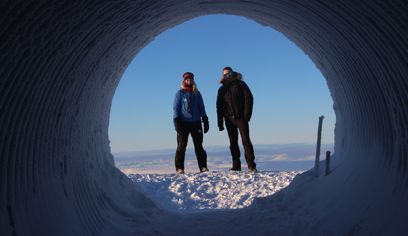
Not every "ice cave" is the same experience: some tours visit natural glacier caves, while others, such as the ice tunnel inside Langjökull, are man-made and run year-round. Read the tour description carefully. Our Iceland glacier guide explains the differences, and caves in Iceland covers lava caves you can visit in any season.
Glacier walks
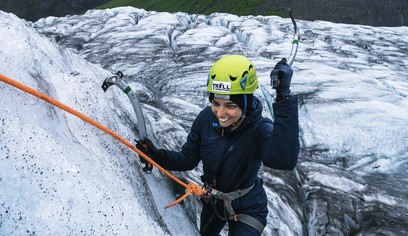
Guided glacier walks on Sólheimajökull, near the South Coast, and in the Skaftafell area run through the winter, weather permitting. Crampons and safety gear are provided. Never walk onto a glacier on your own — crevasses can be hidden under fresh snow. See glaciers in Iceland for an overview.
Snowmobiling
Snowmobile tours on Langjökull, often combined with the Golden Circle, and on Mýrdalsjökull near Vík are among Iceland's most popular winter activities. Tours are weather-dependent, and pickup, riding time and driver requirements vary — compare options on our snowmobiling in Iceland page.
Ice Cave and Glacier Tours
Guided ice-cave, glacier and snowmobile tours available for your dates. Natural ice-cave departures depend on conditions — check what each tour includes.
 4 hours
Skaftafell Blue Ice Cave & Glacier Hike
Troll Expeditions
From
19,034 ISK
 8 hours
DT 306 Private Superjeep Borgafjörður & Into The Glacier
Superjeep
From
269,400 ISK
 4 hours
Skaftafell Ice Climbing & Glacier Hike
Troll Expeditions
From
31,641 ISK
 5 hours 30 minutes
Ice cave - Adventures dream
Glacier Trips
From
36,900 ISK
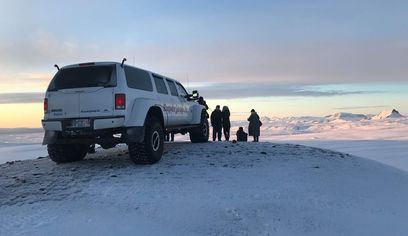 8 hours
DT 406 Private Monster Truck Borgafjörður & Into The Glacier
Superjeep
From
416,100 ISK
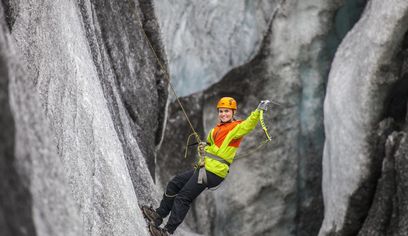 4 hours 30 minutes
Skaftafell Glacier Hike and Ice Climbing
Icelandic Mountain Guides by Icelandia
From
32,999 ISK
Geothermal Lagoons and Pools
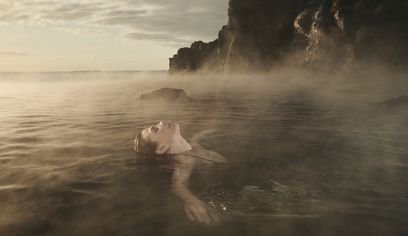
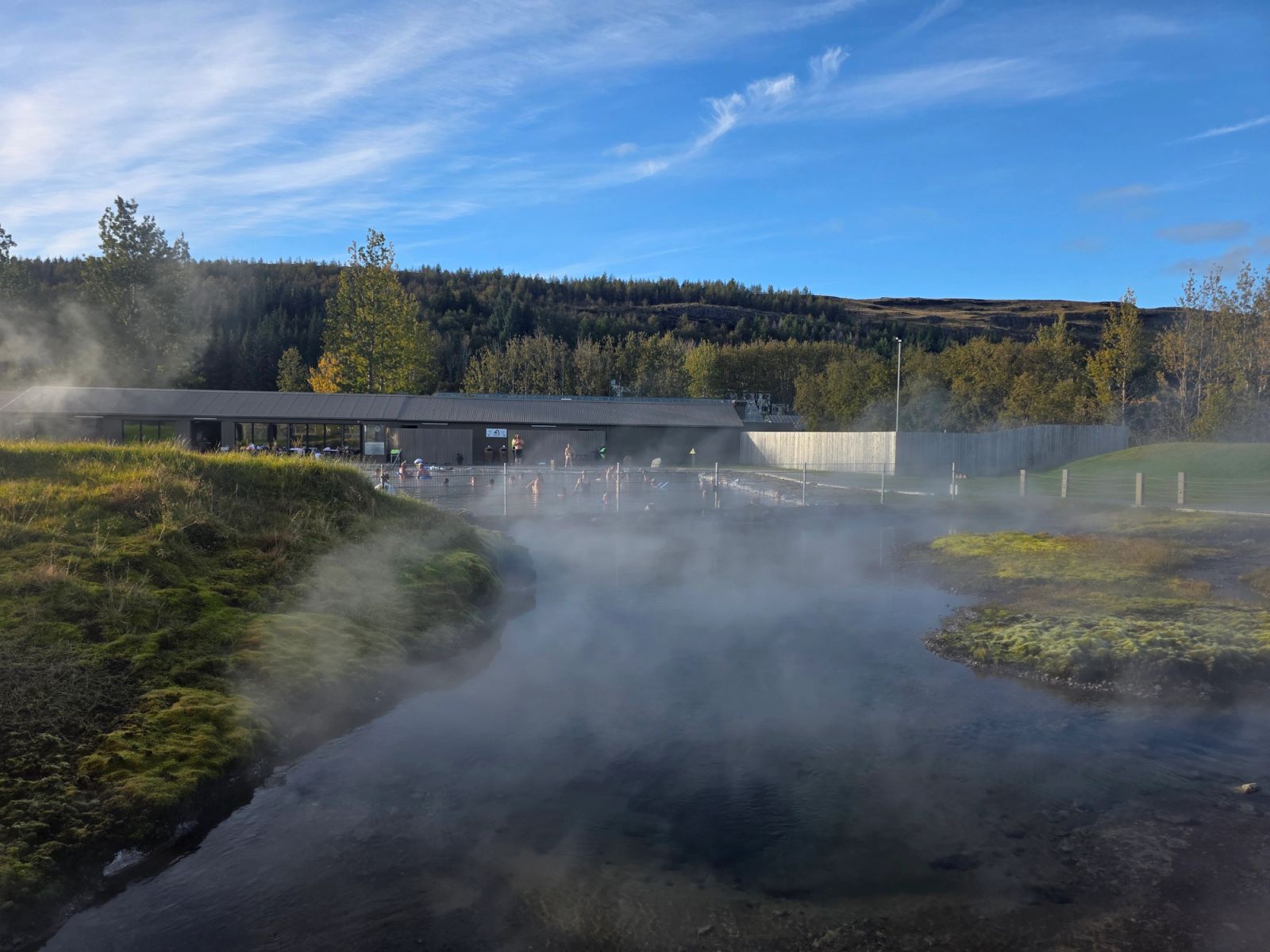
Soaking in hot water while snow falls — or while the sky darkens by mid-afternoon — is one of the simplest winter pleasures in Iceland. Sky Lagoon in Reykjavík, the Secret Lagoon at Flúðir and the Blue Lagoon on the Reykjanes peninsula are popular winter choices; compare them on our geothermal lagoons page.
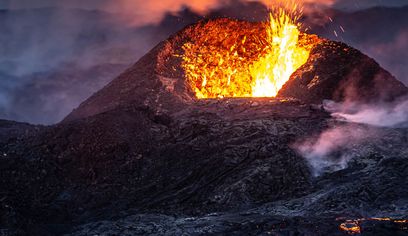
The Blue Lagoon has had temporary closures linked to volcanic activity nearby, so check its current status before booking. For a cheaper and very local alternative, Iceland's public swimming pools have outdoor hot tubs and stay open through the winter.
Lagoon Tickets and Transfers
Lagoon admission and transfers available for your dates.
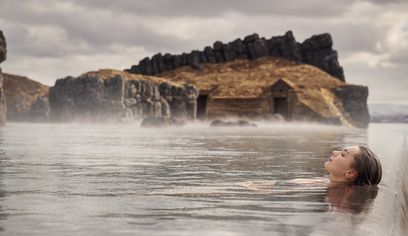 2 hours 30 minutes
Sky Lagoon Saman Pass with Transfer
Icelandic Mountain Guides by Icelandia
From
19,499 ISK
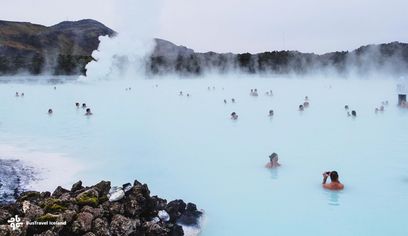 9 hours
Volcano Eruption Site & Blue Lagoon Admission Tour
BusTravel Iceland
From
32,990 ISK
 10 hours
Volcano Hike & Blue Lagoon - Private Eco Tour
EV Travel
From
180,000 ISK
 2 hours 30 minutes
Sky Lagoon Sér Pass with Transfer
Icelandic Mountain Guides by Icelandia
From
22,499 ISK
 8 hours
Reykjanes Geothermal Tour & Sky Lagoon - Eco Tour
EV Travel
From
180,000 ISK
 10 hours
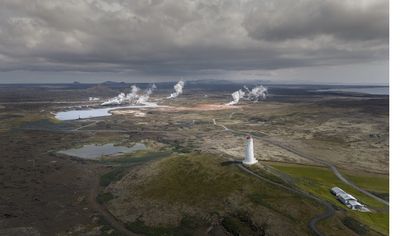
Small group Tour Reykjanes Peninsula: Lighthouses, Hot Springs and The Sky Lagoon
Lilja Tours
From
38,000 ISK
Golden Circle and South Coast in Winter
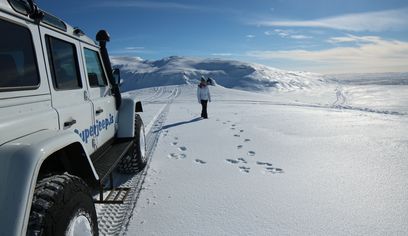
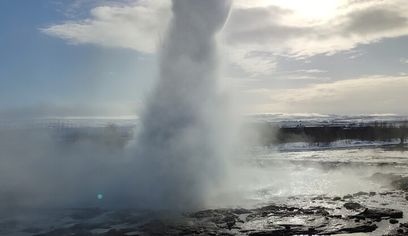
The Golden Circle — Þingvellir, Geysir and Gullfoss — is the most manageable full-day winter route from Reykjavík, and it looks very different under snow. Paths can be icy, so good footwear matters, and the loop fits into a short winter day if you set off around sunrise.
The South Coast adds waterfalls, black-sand beaches and glacier views. Vík is about a 2½-hour drive from Reykjavík in good conditions, so in December and January a day trip leaves little daylight for stops; an overnight in the area is more relaxed. Jökulsárlón and the ice-cave area are further still and are best reached with at least one overnight stay.
At Reynisfjara, stay well back from the water — sneaker waves are a serious danger in every season. At Seljalandsfoss, the path behind the falls is often closed or icy in winter; view it from the front.
Golden Circle Day Tours
Guided day tours from Reykjavík — a good option if you'd rather not drive in winter conditions.
 Bestseller 8 hours
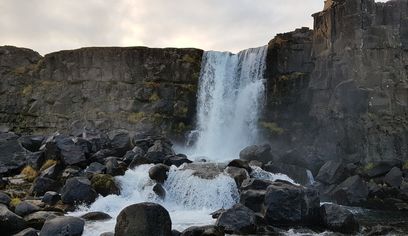
DT 01 Golden Circle & Langjökull Glacier
Superjeep
From
54,890 ISK
 8 hours
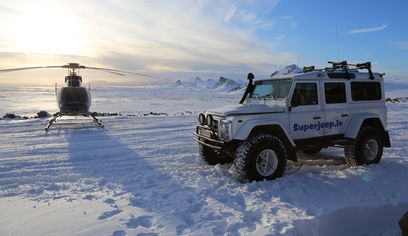
DT 71 The Luxury Golden Circle and Secret Lagoon
Superjeep
From
249,500 ISK
 6 hours
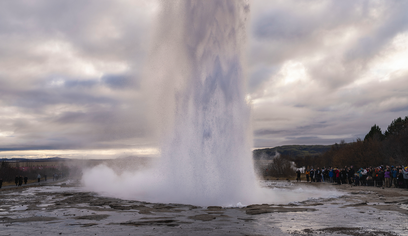
DT 331 Private Luxury Golden Circle and Helicopter back to Reykjavík
Superjeep
From
1,159,500 ISK
 6 hours
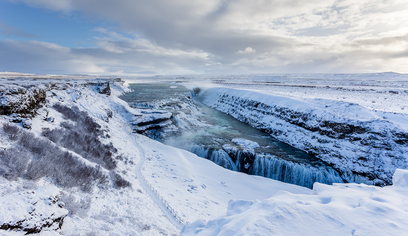
Golden Circle Afternoon Small Group Tour
Arctic Adventures
From
13,990 ISK
 8 hours
Golden Circle Small Group Full Day Tour from Reykjavík
Arctic Adventures
From
14,990 ISK
 9 hours
Golden Circle, Cook eggs in a hot spring, Shore Excursion
Crystal Cave Tours
From
184,171 ISK
Reykjavík in Winter
Reykjavík makes a practical winter base: many tours pick up in the city, and there is plenty to do when the weather closes in — museums, Perlan, concerts at Harpa, food halls, geothermal pools and indoor shows such as the Lava Show. Christmas lights and events in December, and the Winter Lights Festival, usually held in early February, add to the season; check event calendars for your dates.
See our Reykjavík guide and what to do in Reykjavík in bad weather for ideas.
Whale Watching in Winter
Some whale-watching tours continue in winter from Reykjavík's Old Harbour, and some from Akureyri in the north, but schedules are reduced and departures are often cancelled because of wind and sea conditions. White-beaked dolphins and harbour porpoises are among the species seen in winter; larger whales are less predictable, and many North Iceland operators, including most in Húsavík, run mainly from spring to autumn. Puffins are not present in winter.
Read more in our whale watching in Iceland guide.
Winter Experience Guides
GoIceTravel Experience Guides for activities that work in the winter months — what to expect, how long it takes and how to book.
 ✓ First-hand experience
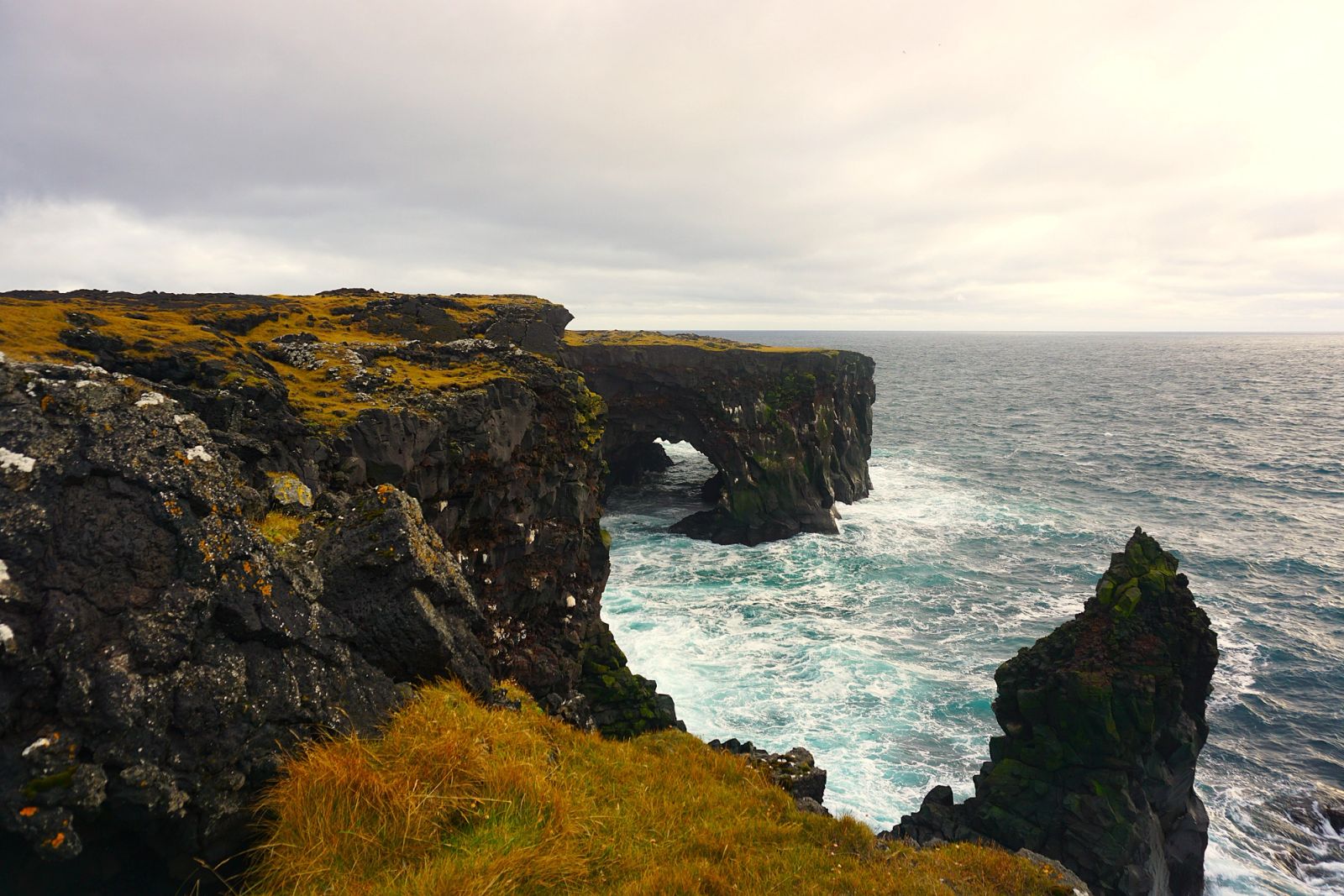
Snæfellsnes Day Trip from Reykjavík – Our 15-Stop Road Trip
 ✓ First-hand experience
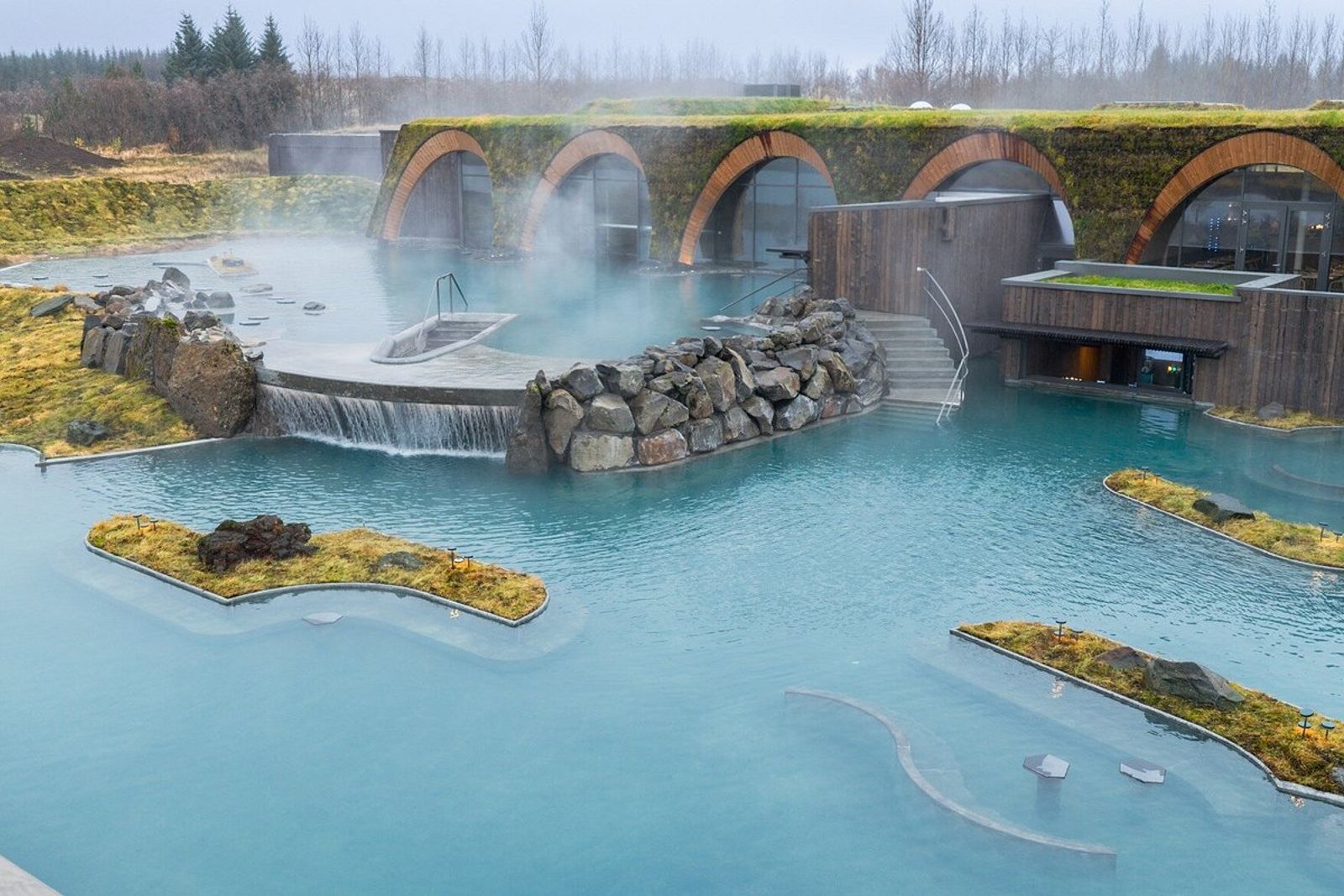
Laugarás Lagoon – Our Experience
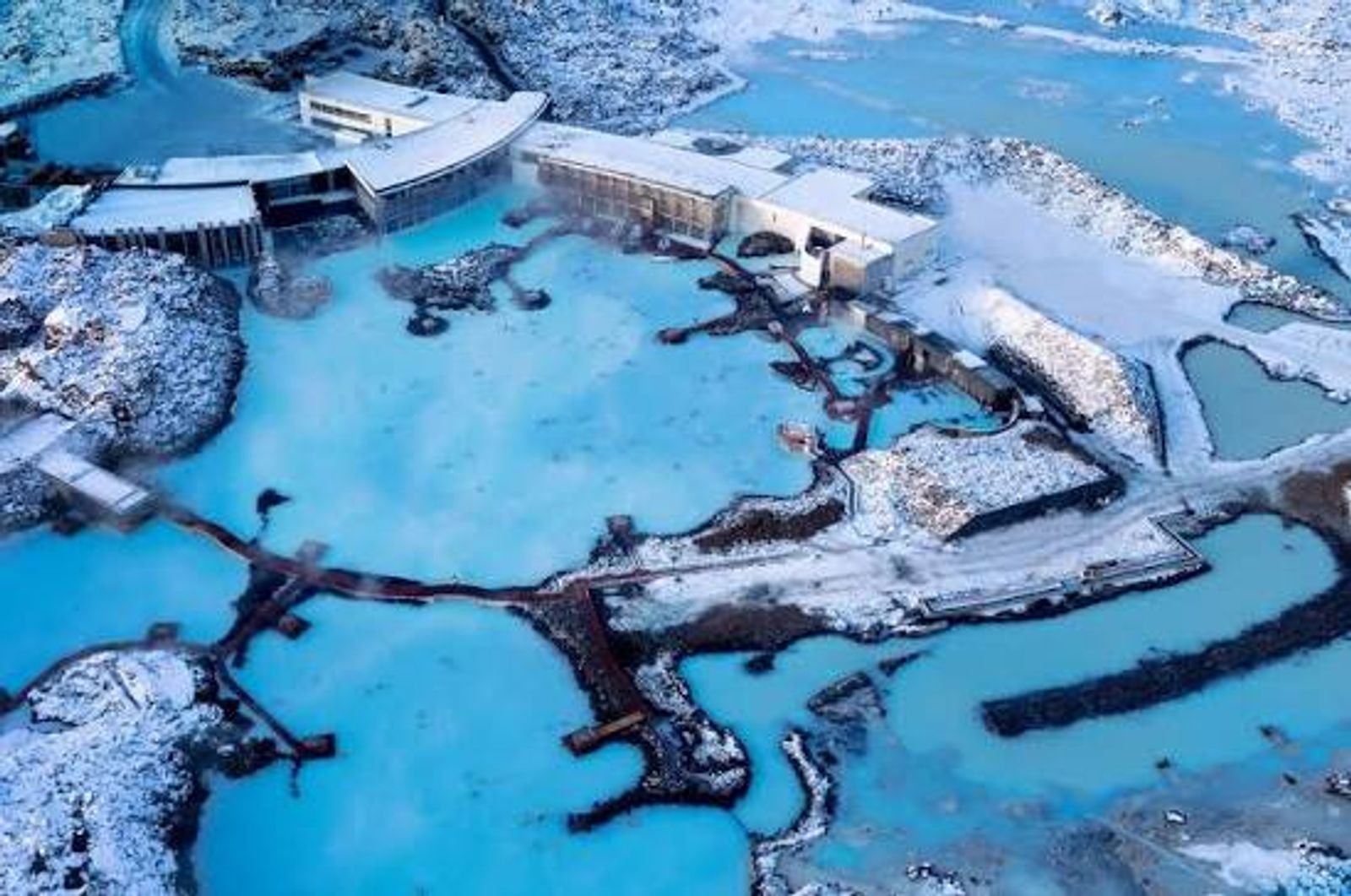
Is the Blue Lagoon Worth It? An Honest Look Before You Book
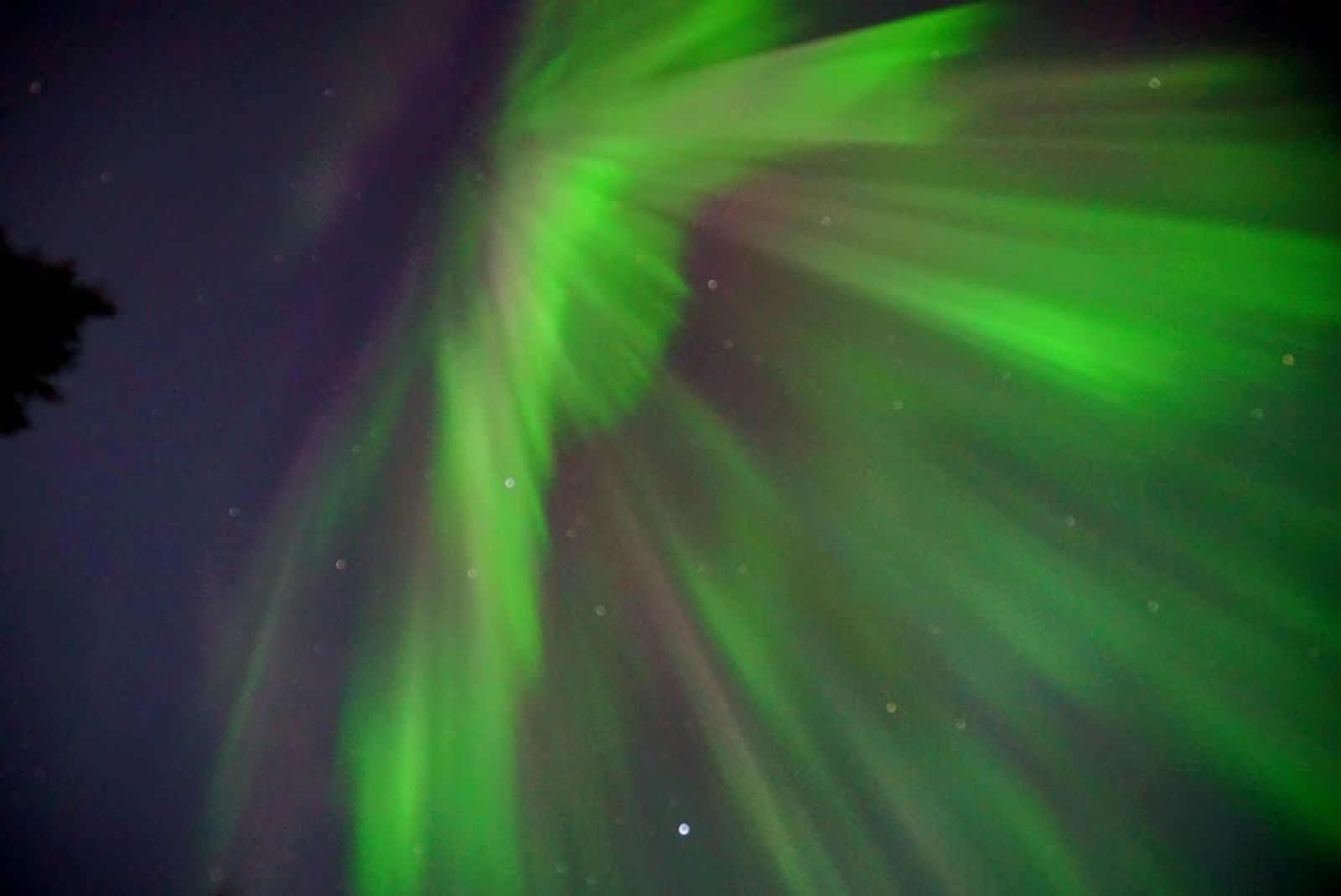
Northern Lights Tour from Reykjavík — What to Know Before You Book
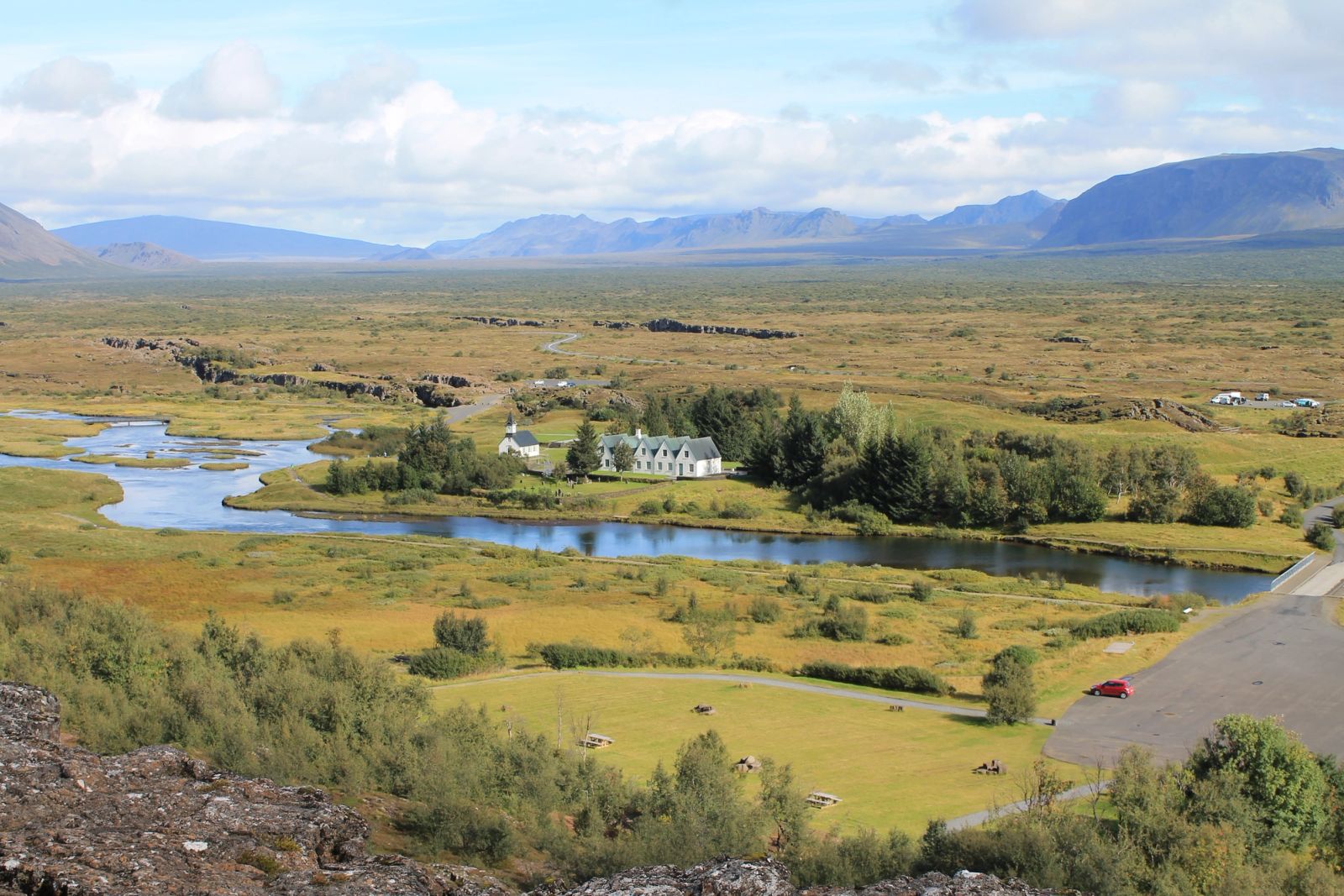
Golden Circle Tour from Reykjavík — Cost, Options and What to Expect
 ✓ First-hand experience
Secret Lagoon Iceland – Our First-Hand Experience at Gamla Laugin
 ✓ First-hand experience
Lava Show Reykjavík – First-Hand Experience Guide
 ✓ First-hand experience
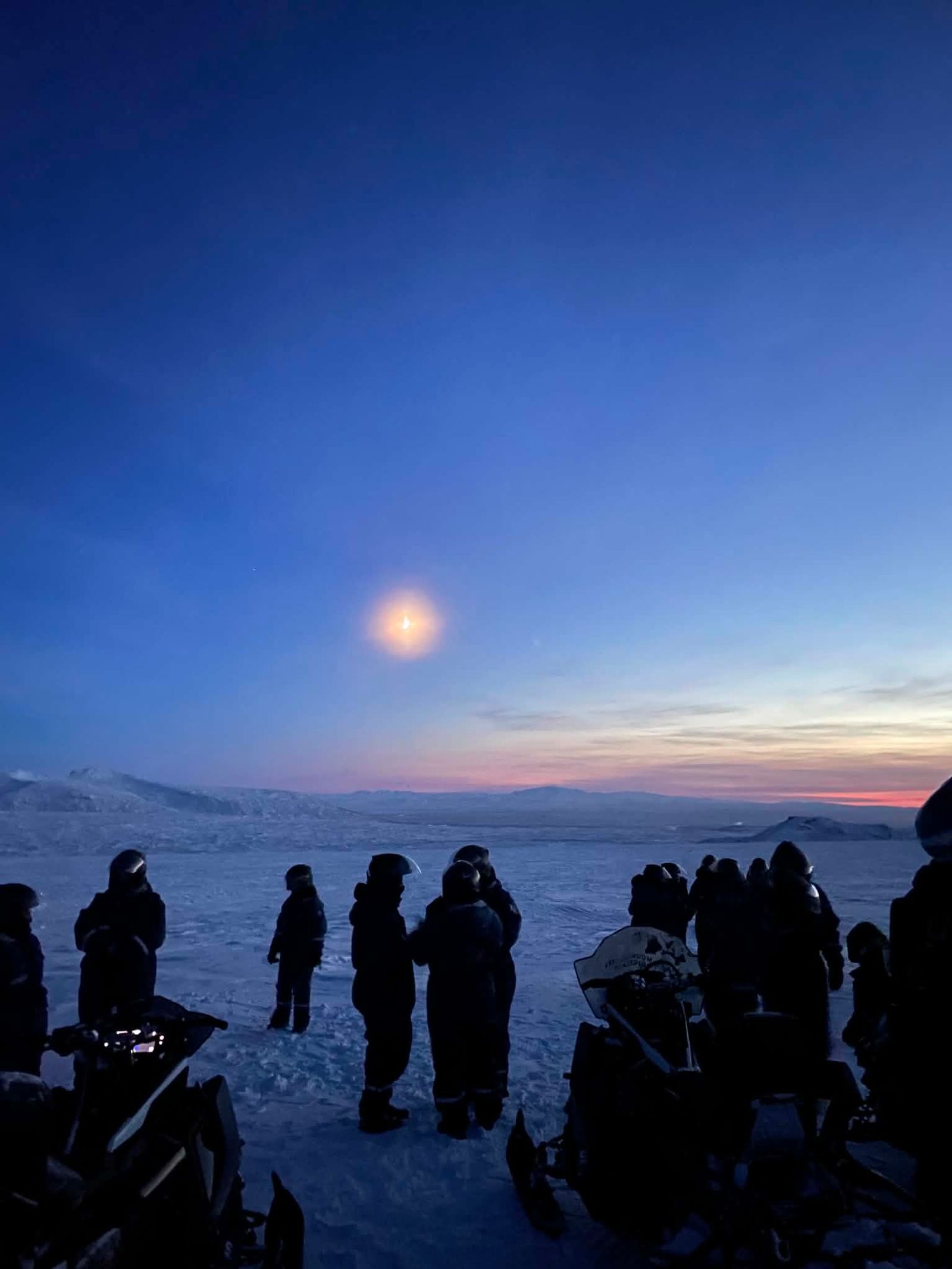
Snowmobiling on Langjökull with Mountaineers of Iceland – Our Experience from Gullfoss
Driving in Iceland in Winter
Self-driving in winter is possible for confident drivers who plan carefully, but it is a different job from summer driving. The main risks are ice, strong wind, poor visibility and short daylight, and conditions can change within an hour.
- Check official sources before every drive: road status and closures at umferdin.is, weather and warnings at vedur.is, and travel alerts at safetravel.is, where you can also leave a travel plan.
- Plan short driving days that fit inside the daylight window, and allow extra time for lower speeds.
- Choose a suitable car: rental cars are normally fitted with winter tyres in winter — ask whether they are studded. A 4x4 adds grip and clearance, but it does not make icy or closed roads safe.
- Never drive a closed road or an F-road. Highland F-roads are closed in winter, and a navigation-app shortcut is not a reason to leave the main road network.
- Stay put when warnings are issued. An orange or red weather warning means changing plans, not pushing through.
Our Driving in Iceland guide covers road types, rental cars, fuel and route planning in more detail. If you'd rather not drive in winter conditions, guided tours and airport transfers make a Reykjavík-based trip straightforward.
Do not chase a booking through a warning
A hotel or tour reservation is never a reason to drive through unsafe conditions. Contact the operator or accommodation and change the plan.
What to Pack for Winter
Iceland's winter is more about wind and wet than extreme cold, so layers and waterproofing matter more than one very heavy coat.
- Waterproof, windproof outer layer — jacket and trousers
- Insulating layers such as wool or fleece, over a thermal base layer
- Warm hat, gloves and a scarf or neck gaiter
- Waterproof winter boots with good grip
- Traction aids such as microspikes for icy paths and car parks — helpful on walkways, but never a reason to enter closed areas
- Swimsuit for lagoons and geothermal pools
For a complete list, including camera, power and road-trip essentials, see what to pack for Iceland.
Planning a Winter Itinerary
Winter itineraries work best when they do less. Build each day around the few hours of good light, keep driving legs short, and leave evenings free for Northern Lights chances.
- Use fewer bases. Staying two or more nights in one place lets you swap days around the weather instead of driving to the next hotel regardless of conditions.
- Keep a spare day. Schedule weather-dependent activities — ice caves, snowmobiling, aurora tours — early in the trip so there is room to rebook.
- Stay close to Reykjavík on short trips. Three to five days works well with the Golden Circle, the South Coast and Reykjavík; add the southeast and Jökulsárlón, with overnight stays, on longer trips.
- Read cancellation terms for tours and accommodation before building the rest of the trip around them.
Each month guide includes sample 3-, 5- and 7-day itineraries for that month — start from November, December, January, February or March. To choose a trip length, see how many days you need in Iceland.
Winter Attractions to Plan With Extra Time
These GoIceTravel attractions remain strong winter route anchors, but conditions and daylight should control the schedule.

Thingvellir National Park
A classic Golden Circle stop where winter light and icy walking surfaces can change the pace.

Gullfoss
A dramatic winter waterfall stop that belongs inside the daylight portion of a Golden Circle day.

Skógafoss
An accessible South Coast anchor, but wind and icy surfaces can still affect the visit.

Jökulsárlón Glacier Lagoon
A major winter South Coast destination that deserves a multi-day route rather than a rushed day trip from Reykjavík.


