

planning
Iceland Itinerary Guide
Build an Iceland itinerary that fits your season, trip length and travel style, with route-planning principles, regional combinations and realistic activity pacing.
Updated
Start with Time, Season and Arrival
Start with your usable days, arrival and departure times, season and whether you will self-drive. Only then choose regions. This prevents an itinerary from becoming a list of famous places connected by exhausting drives.
Choose Regions That Connect Naturally
The Golden Circle and South Coast combine naturally on shorter first trips. Snæfellsnes can extend a west-focused itinerary. North and East Iceland become more logical when you have enough time for a Ring Road journey rather than as isolated long-distance detours.
Protect Time for Activities
A glacier hike, whale-watching trip, lagoon visit or snowmobile tour takes more than its advertised activity duration once check-in, travel and meals are included. Do not stack several fixed bookings into a long driving day.
Build one flexible slot into longer trips
On a 7–10+ day itinerary, leave at least one period that can absorb weather changes, a cancelled tour or a place you decide deserves more time.
How Much Driving Is Too Much?
A good Iceland itinerary measures a day by usable time, not just kilometres. Scenic roads, weather checks, short walks, meals and unplanned photo stops all add time. A route that looks efficient on a map can become tiring if every day requires an early departure, several major stops and a long evening drive.
For most travellers, it is better to build one or two anchor experiences into a day and let smaller stops fill the gaps. This creates room to react to Icelandic weather and makes the trip feel like travel rather than a race between pins on a map.
Use Regional Building Blocks
Reykjavík and Reykjanes work naturally around arrival and departure. The Golden Circle fits well with Reykjavík or a South Coast trip. The South Coast can be a one-day introduction or a multi-day journey that continues toward Jökulsárlón.
Snæfellsnes works well as a western extension. North and East Iceland deserve enough time to be part of a real Ring Road journey, while the Highlands should be treated as a separate planning layer because access and conditions can change the route completely.
Use Arrival and Departure Days Carefully
Arrival day can be useful, but it should stay flexible. Reykjavík, Reykjanes or a nearby geothermal stop can work well without committing to a long cross-country drive after a flight.
On departure day, keep the route close enough to the airport that weather or traffic does not turn sightseeing into a flight risk. Put your most important long-distance experiences in the middle of the trip.
Summer and Winter Need Different Itineraries
Summer gives you much more usable daylight and usually supports longer sightseeing windows, hiking and a wider choice of roads. That extra light should create flexibility rather than pressure to drive until midnight every day.
Winter requires shorter daily plans, more daylight awareness and larger buffers. A winter itinerary should be able to lose a stop without collapsing, and evenings should leave room for Northern Lights plans when conditions cooperate.
Choose Overnight Bases That Reduce Backtracking
Accommodation location can save more time than squeezing another attraction into the plan. On the South Coast, moving your overnight base east with the route is often more efficient than repeatedly returning to Reykjavík.
A good overnight stop should support the next morning as well as the previous evening. When comparing two routes, prefer the one that creates simpler mornings and fewer long backtracks.
Classic Attractions to Build an Itinerary Around
These published GoIceTravel attractions connect naturally into common first-trip routes.

Thingvellir National Park
A strong Golden Circle anchor close enough to Reykjavík for short itineraries.

Geysir Geothermal Area
Pairs naturally with Þingvellir and Gullfoss on a Golden Circle day.

Gullfoss
A major Golden Circle stop that also connects well with routes toward South Iceland.

Seljalandsfoss
A natural first major stop when travelling east along the South Coast.

Skógafoss
Easy to combine with Seljalandsfoss and the western South Coast.

Jökulsárlón Glacier Lagoon
A logical eastern anchor for a multi-day South Coast itinerary.
A Balanced 7-Day First Itinerary
7 daysA route example that prioritises depth over racing around the full Ring Road.
Explore Reykjavík
Keep the first day flexible and recover from travel.
Þingvellir, Geysir and Gullfoss
Use the day for the three classic anchors and smaller stops if time allows.
Waterfalls and Vík area
Move east instead of returning to Reykjavík.
Glacier or South Coast activity
Protect time for a guided activity or slower sightseeing.
Jökulsárlón and Diamond Beach
Give the lagoon area enough time rather than treating it as a quick turnaround.
Use missed South Coast stops
The return journey becomes your weather buffer and second chance for skipped places.
Finish close to the airport
Avoid a long-distance drive immediately before departure.
Choose Activities for Your Route
Browse activities after the route is sensible, not before.
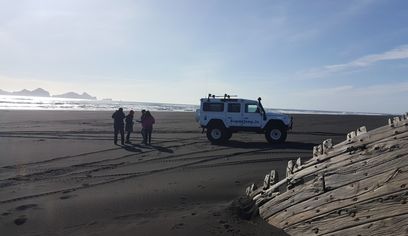 8 hours
DT 322 Private Superjeep South Coast & Eyjafjallajökull Volcano Sights
Superjeep
From
264,500 ISK
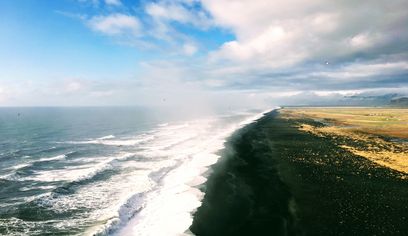 10 hours
Private South Coast tour
EastWest
From
220,000 ISK
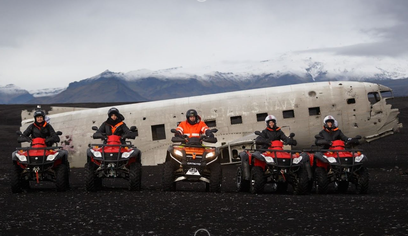 10 hours 30 minutes
South Coast & Plane Wreck Black Beach ATV Adventure
Reykjavik Excursions by Icelandia
From
47,499 ISK
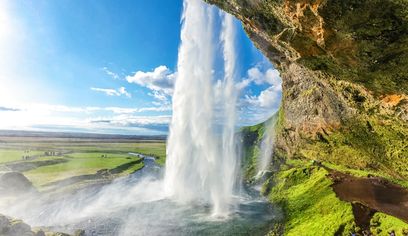 11 hours
Private Premium South Coast Small Group Tour
Iceland Horizon - Saga Travel - GeoIceland
From
299,900 ISK
 13 hours
South Coast & Sky Lagoon Saman Pass Tour
BusTravel Iceland
From
31,790 ISK
 14 hours
Private South Coast and Glacier Lagoon Day Tour
David The Guide
From
279,900 ISK


