
East Iceland
Reyðarfjörður – WWII Exhibitions
About Reyðarfjörður – WWII Exhibitions
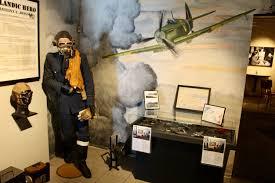
The Icelandic Wartime Museum in Reyðarfjörður explores Iceland’s role during World War II and the dramatic transformation of this small East Iceland town when Allied forces arrived in 1940. At the height of the occupation, several thousand British and later American soldiers were stationed in Reyðarfjörður, making it one of the most important military locations in eastern Iceland during the war. Through photographs, personal stories, uniforms, vehicles, and original wartime equipment, the museum presents daily life during the occupation years and explains how the presence of foreign troops affected local communities. Visitors can learn about military infrastructure built in the fjord, supply operations along the coast, and the strategic importance of Iceland in North Atlantic defense routes. Located in a former military barracks area above the harbour, the museum connects the peaceful modern town with its wartime past. Today it serves as one of the most informative World War II heritage sites in East Iceland and offers valuable insight into how global events shaped life in remote coastal communities like Reyðarfjörður.
🐉 When a Quiet Fjord Became a Wartime Base
In 1940, the quiet fishing village of Reyðarfjörður suddenly became part of a global conflict. British forces arrived first, followed later by American troops, transforming the fjord into one of the largest Allied military bases in East Iceland. At one point, thousands of soldiers lived here — far more than the number of local residents. Roads were built, supplies arrived by ship, and the peaceful shoreline filled with camps, vehicles, and activity. For the people of Reyðarfjörður, daily life changed overnight. Foreign languages were heard in the streets, new technologies appeared, and the town became connected to events unfolding far beyond Iceland’s shores. The Icelandic Wartime Museum preserves these stories, reminding visitors how even remote communities played a role in the wider history of World War II.
📖 History of Reyðarfjörður – WWII Exhibitions
During World War II, Allied forces established a major military presence in Reyðarfjörður because of its strategic location along North Atlantic supply routes. British troops first occupied the area in 1940, followed later by American forces who expanded infrastructure and logistics operations in the fjord. Military camps, storage facilities, and transport routes were constructed throughout the region, leaving a lasting impact on the local landscape and community. The presence of thousands of soldiers brought economic change and new international connections to East Iceland. Today, the Icelandic Wartime Museum stands near the former military barracks area and preserves photographs, equipment, and personal accounts from this period. It serves as an important reminder of how global wartime events shaped life in one of Iceland’s most remote coastal towns.
✈️ Why Visit
The fjord itself is one of East Iceland's widest and most scenic.
💡 Did You Know?
Reyðarfjörður was the site of the largest Allied military base in Iceland during World War II, with up to 30,000 British and American troops stationed here to protect the North Atlantic supply routes.
🕐 Best Time
Year-round; check seasonal opening hours
🚗 Access
Located in Reyðarfjörður along the Eastfjords coastal route (Route 92). Easy access by car with parking directly outside the museum entrance. Suitable for: rental cars 🚗 campervans 🚐 Ring Road travelers via Route 1 → Route 92 Winter visits may require checking opening hours in advance.
⏱ Duration
30–60 minutes
📍 GPS Location
Explore Tours Near Reyðarfjörður – WWII Exhibitions
Find guided tours, day trips and activities. Compare prices and book instantly with free cancellation.