Krafla Volcano & Víti Crater
Walk the rim of Krafla, an active volcanic system featuring the stunning turquoise Víti crater lake.
About
About Krafla Volcano & Víti Crater
Walk the rim of Krafla, an active volcanic system featuring the stunning turquoise Víti crater lake.
Experience the raw power of an active volcanic system and walk the rim of a real volcano.
Photos
Photo Gallery
Background
History & Background
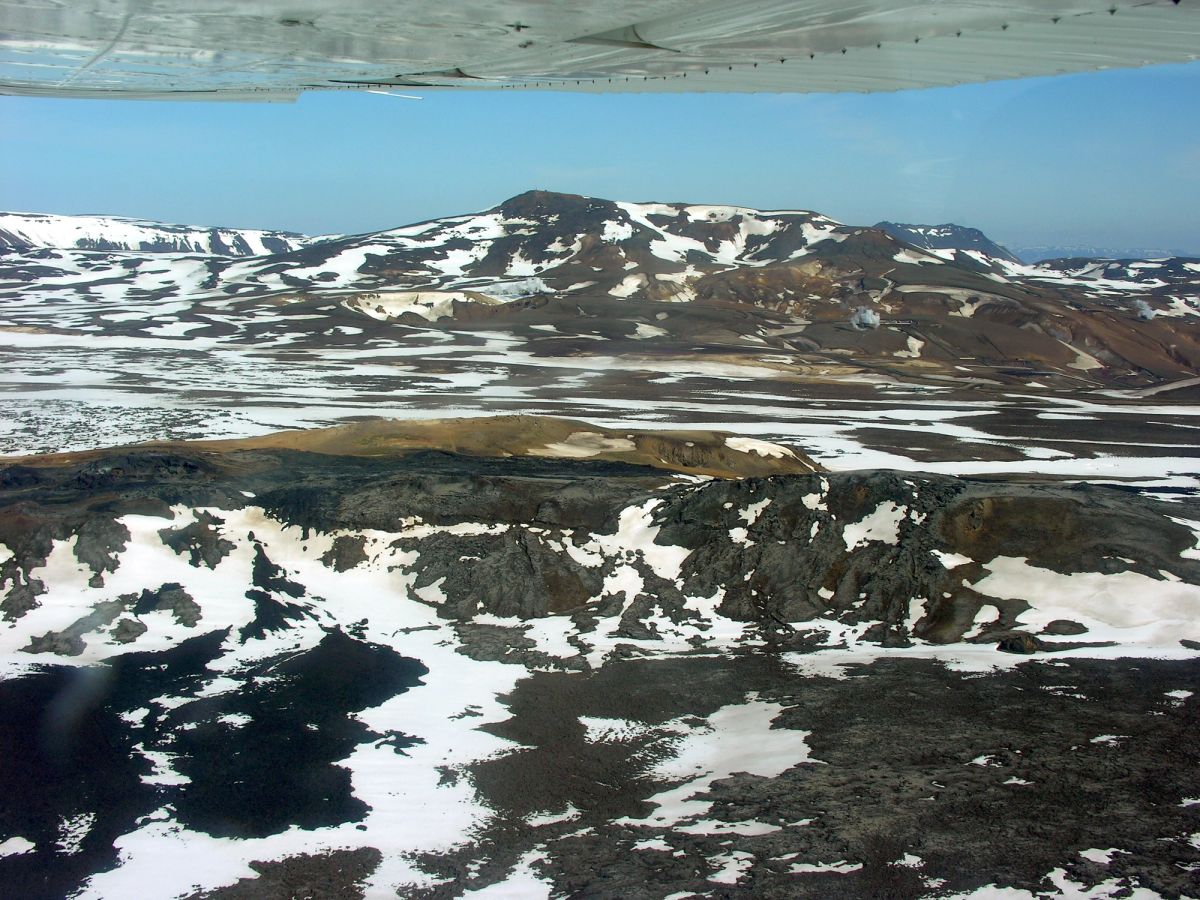
Krafla is recognized as a central volcano and a large, active volcanic system in North Iceland. Its history is marked by significant volcanic activity, which has shaped the surrounding landscape. One of the most notable events in its recent history was a series of eruptions during the 1970s. These powerful geological events were responsible for the formation of the distinctive Víti Crater and its stunning turquoise lake, a vivid reminder of the system's active nature. The Krafla system continues to be an important area for studying volcanic processes.
Krafla Volcano and Víti Crater are prominent geological features nestled in North Iceland, specifically northeast of the picturesque Lake Mývatn. Krafla stands as a central volcano and a vast, active volcanic system, making it a significant site for geological exploration and appreciation. The highlight for many visitors is the Víti Crater, home to an incredibly vibrant turquoise lake, a direct result of powerful eruptions that occurred in the 1970s. This natural wonder offers a rare chance to literally walk the rim of an active volcano, providing unparalleled views and a tangible connection to Iceland's dynamic geological processes. The entire area is a testament to the Earth's continuous transformation, showcasing the raw power that has shaped this unique island nation.
Folklore
Story & Folklore
Standing on the edge of Víti Crater, the wind whispers tales of fire and ice across the vast expanse of North Iceland. Below, the water shimmers with an otherworldly turquoise, a vibrant jewel set within the scarred landscape of the Krafla volcanic system. This isn't just a scenic viewpoint; it's a testament to Earth's dynamic power, a living monument forged in the fiery eruptions of the 1970s. Imagine the ground trembling, the air thick with ash, as this very crater took shape. Today, the active system hums with a silent energy, inviting you to walk its rim, to feel the ancient forces beneath your feet. The panoramic views stretch endlessly, a stark reminder of Iceland's raw, untamed beauty, where geology is not just a science, but a visible, breathtaking art.
💡 Did You Know?
The stunning turquoise lake within Víti Crater was formed by eruptions in the 1970s, a relatively recent geological event.
Explore
Hidden Gems Nearby
✦ Best Time of Day
Visit this attraction during golden hour (the hour after sunrise or before sunset) for the most beautiful light.
Iceland's low-angle sunlight creates long shadows and warm colors that transform ordinary scenes into extraordinary ones.
✦ Local Knowledge
Ask locals for their favorite nearby spots — Icelanders are friendly and love sharing recommendations.
The best experiences often come from local tips about lesser-known viewpoints, cafés, or hidden natural features.
✦ Weather Changes
Don't leave if the weather is bad — wait 15 minutes and it often changes dramatically.
Iceland's rapidly changing weather can transform a gray scene into a spectacular display of light and clouds in minutes.
Help
Frequently Asked Questions
Location
📍 Location
Discover
Explore Nearby
Places from our database within 1.0 km — all data from Sanity
Loading nearby places…
0 places found within 1.0 km
Plan full itinerary →Explore More