
Capital Region
Kapelluhraun
About Kapelluhraun
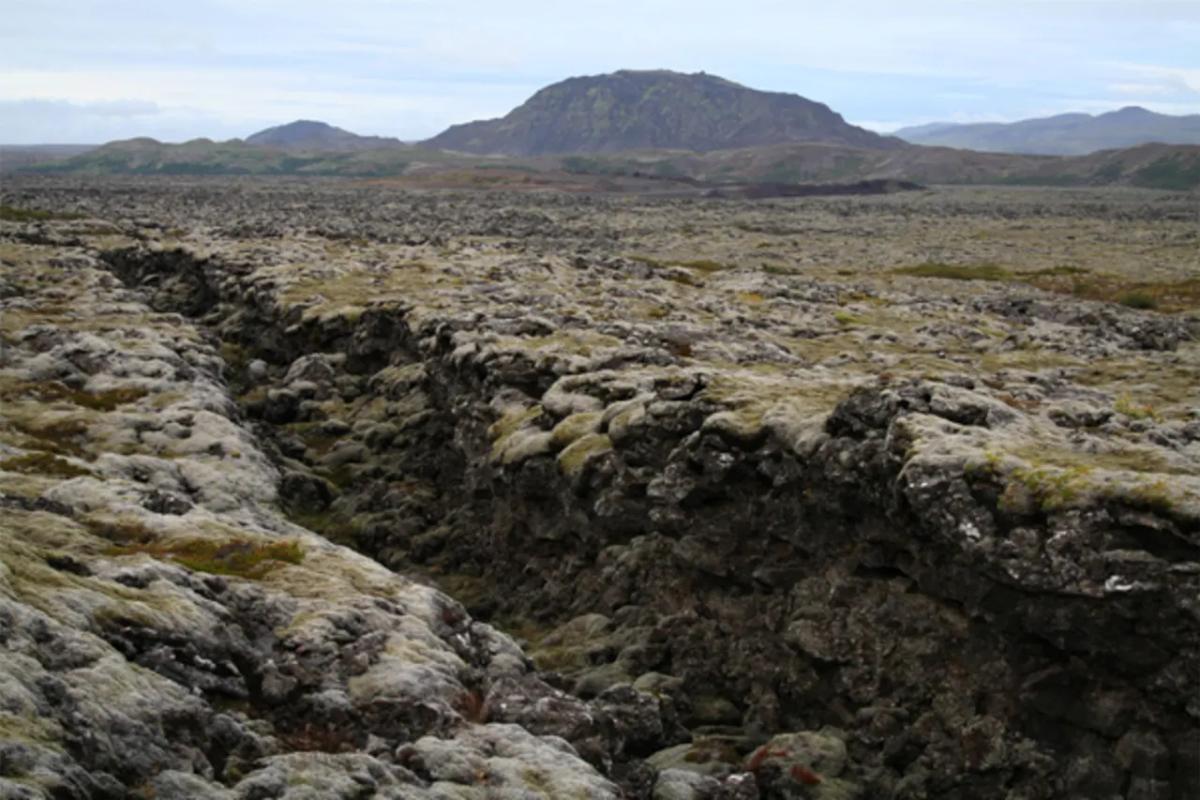
Kapelluhraun is a notable lava field in the Hafnarfjörður area, within Iceland’s Capital Region. Formed by volcanic eruptions in the early historical period, the landscape reflects the powerful geological forces that continue to shape the Reykjanes Peninsula. The lava field is characterized by rough, uneven terrain with limited vegetation, though patches of moss have gradually taken hold over time. Like many Icelandic lava fields, Kapelluhraun developed as molten lava spread across the land and cooled into jagged formations, later fractured by tectonic movement. This combination of volcanic origin and slow ecological growth gives the area a distinctive appearance. What sets Kapelluhraun apart is its cultural layer. Within the lava field lies a small stone structure known as Kapella, believed to have been a roadside place of prayer. Archaeological work in 1950 uncovered a small statue of Saint Barbara, suggesting that the site may have served as a Catholic devotional location during earlier centuries. This connection between geology and human history makes the area particularly unique. In more recent times, parts of the lava field have been used as a source of material for construction in the greater Reykjavík area. Despite this, the lava mound containing the chapel has been preserved and is now protected, maintaining its historical and cultural significance. Kapelluhraun offers a clear example of how Iceland’s landscapes are shaped not only by natural forces, but also by the ways people have interacted with them over time.
🐉 The Chapel in the Lava
It is said that travelers crossing the lava fields once believed Kapella offered protection. Those who stopped to pray would continue their journey safely, while those who passed by without pause risked misfortune. Even today, the site carries a quiet stillness. On calm days, the silence feels deeper than expected, as if the land holds onto the memory of those who once relied on it.
📖 History of Kapelluhraun
Kapelluhraun was formed by volcanic eruptions on the Reykjanes Peninsula, likely during the early historical period of Iceland. The lava spread across the landscape, creating the rough terrain visible today. The chapel within the lava field is believed to date back to medieval times and was likely used by travelers as a place of prayer. The discovery of a statue of Saint Barbara in 1950 supports its religious significance. In modern times, parts of the lava field have been quarried for construction materials. However, the area containing the chapel has been preserved and designated as a protected cultural site, ensuring its continued importance as both a geological and historical landmark.
✈️ Why Visit
A rare place where volcanic geology and medieval religious history meet in one landscape.
💡 Did You Know?
A small statue of Saint Barbara—patron saint of miners and protection—was discovered in the chapel ruin in 1950.
Key Facts
Iceland was formed by volcanic activity approximately 16-18 million years ago
Kapelluhraun showcases Iceland's remarkable geological diversity
Iceland sits where the Eurasian and North American tectonic plates meet
📍 GPS Location
Explore Tours Near Kapelluhraun
Find guided tours, day trips and activities. Compare prices and book instantly with free cancellation.