Grjótagjá
Grjótagjá is a small lava cave containing a strikingly blue geothermal spring — once a popular bathing spot and now famous worldwide as the filming location for…
About
About Grjótagjá
Grjótagjá is a small lava cave containing a strikingly blue geothermal spring — once a popular bathing spot and now famous worldwide as the filming location for a scene in Game of Thrones.
Featured in Game of Thrones as Jon Snow and Ygritte's cave
Photos
Photo Gallery
Background
History & Background
The cave's geothermal pool was used for bathing by locals for decades until the Krafla eruptions of 1975–1984 raised the water temperature to over 50°C — too hot for bathing. The temperature has slowly dropped and is now around 43–46°C but swimming is still officially discouraged. The cave featured in Game of Thrones Season 3 (2013) as Jon Snow and Ygritte's bathing scene, bringing it worldwide attention.
Grjótagjá is a remarkable volcanic in Iceland. Grjótagjá is a remarkable volcanic wonder in North Iceland. This dramatic landscape was shaped by powerful volcanic forces over thousands of years. Vi... Grjótagjá is a small but spectacular lava tube cave at Lake Mývatn, famous for its crystalline turquoise geothermal pool inside the cave. The cave became internationally famous after appearing in Game of Thrones (Season 3) as the location where Jon S. This location offers visitors a unique opportunity to experience Iceland's natural beauty and cultural heritage.
Folklore
Story & Folklore
Grjótagjá is a small but spectacular lava tube cave at Lake Mývatn, famous for its crystalline turquoise geothermal pool inside the cave. The cave became internationally famous after appearing in Game of Thrones (Season 3) as the location where Jon Snow and Ygritte bathe. What the show didn't mention is that the pool became too hot to bathe in following the Krafla volcanic activity of 1975–1984, which raised water temperatures to 50–60°C. The water has since cooled to around 45°C — still too hot for safe bathing, but perfect for photography. The pale turquoise colour and the cathedral-like quality of the light reflected off cave walls make Grjótagjá one of Iceland's most beautiful small attractions.
💡 Did You Know?
Bathing is prohibited due to dangerously high water temperature
Local Legend
Legends of Grjótagjá
Grjótagjá has been part of Icelandic folklore for generations. Local tales speak of hidden people (huldufólk) and other supernatural beings who inhabit the area. According to tradition, this place deserves respect and visitors should be mindful of the ancient spirits who call it home.
Culture
Stories & Legends
Icelandic sagas and folklore from this area

Reykjahlíð
Reykjahlíð is a historic location in Iceland mentioned in "Ljósvetninga saga", one of the ancient Íslendingasögur (Sagas of Icelanders). These medieval narratives preserve the history of Iceland's Viking Age settlement.
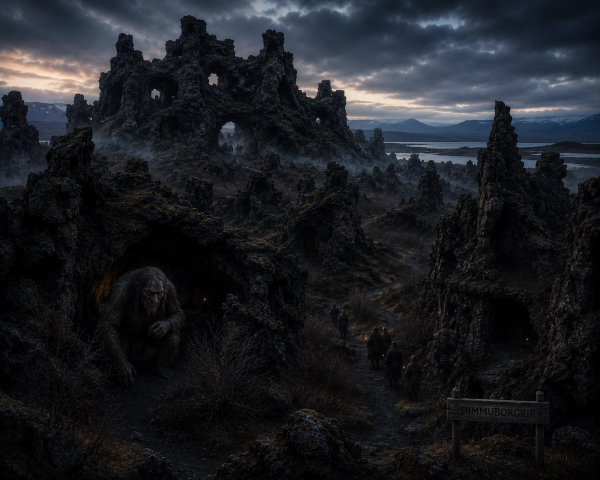
Dimmuborgir – The Dark Fortress of North Iceland
Discover Dimmuborgir, a volcanic wonderland where legends of trolls and the devil still echo.
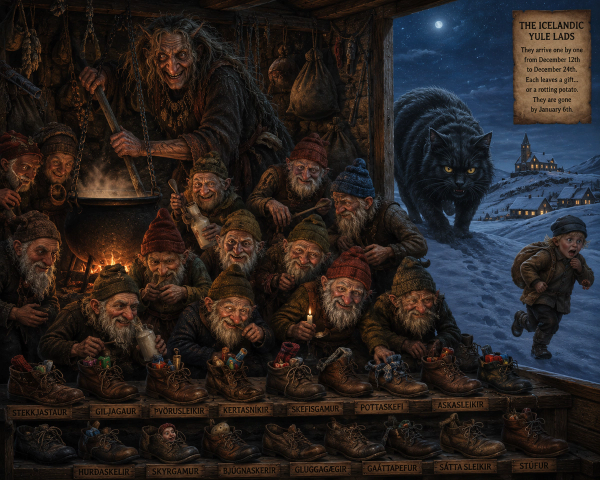
Grýla, the Yule Lads & the Yule Cat
Beware Grýla! The Yule Lads & their terrifying feline nemesis.
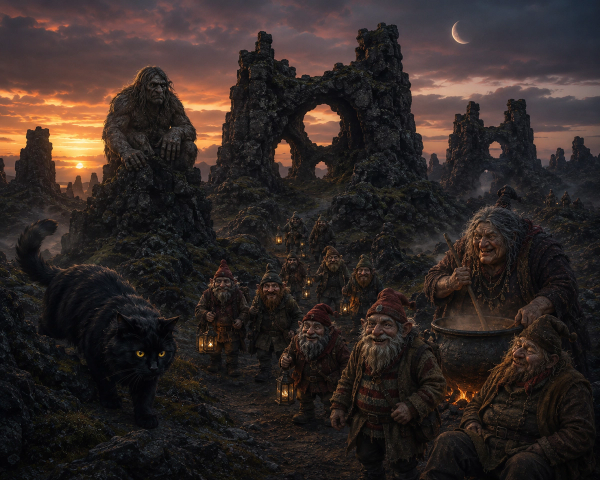
Dimmuborgir – City of Trolls
Explore Dimmuborgir, where volcanic rock formations become a mystical city for trolls.
Explore
Hidden Gems Nearby
✦ Lava Formations Close-Up
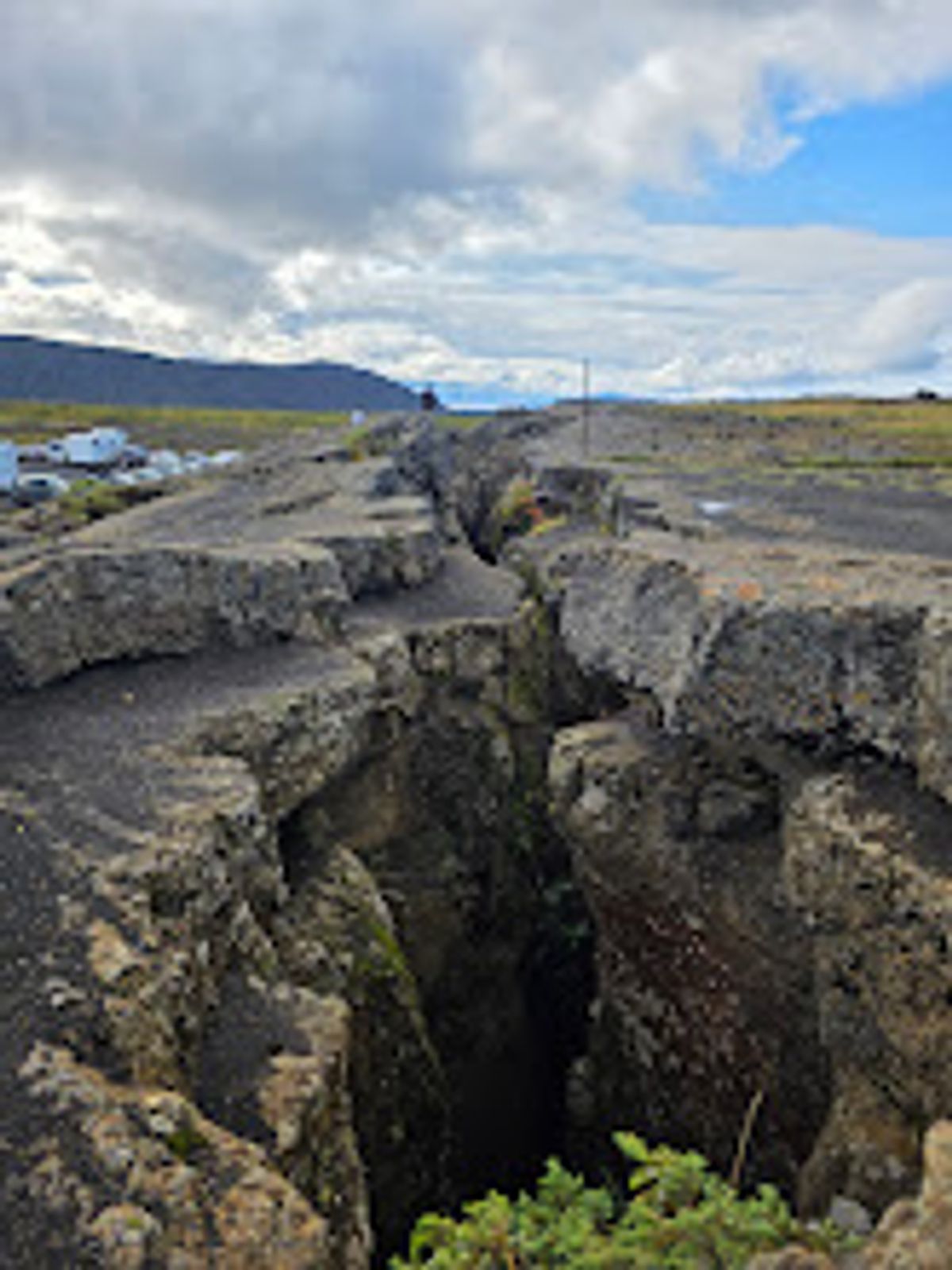
Look carefully at the lava formations near Grjótagjá — each tells a story of how it cooled.
Rope lava, pillow lava, and columnar basalt each formed under different conditions, creating a geological textbook in stone.
✦ Moss & Lichens
The moss and lichen growing on the volcanic rock are some of the first life to colonize new lava fields.
Some of these organisms grow less than 1cm per year, meaning the patches you see may be decades or centuries old.
✦ Sunset Colors
The volcanic rock takes on incredible red and gold hues during sunset.
The iron-rich minerals in the lava glow in warm light, creating a photographer's paradise.
Help
Frequently Asked Questions
Location
📍 Location
Discover
Explore Nearby
Places from our database within 1.0 km — all data from Sanity
Loading nearby places…
0 places found within 1.0 km
Plan full itinerary →Explore More