

Fýkur yfir Hæðir
Fýkur yfir hæðir (1933) by Ásmundur Sveinsson portrays a mother bending to shield her child from the wind.
About
About Fýkur yfir Hæðir
Fýkur yfir hæðir (1933) by Ásmundur Sveinsson portrays a mother bending to shield her child from the wind.
Experience the quiet power and emotional depth of a significant work by a master Icelandic sculptor.
Tours Near Fýkur yfir Hæðir

Private Walking tour Reykjavik - CityWalk
CityWalk Reykjavik · 2 hours 30 minutes

Private Reykjavík Sightseeing Tour 4hrs
Your Transfer ehf · 4 hours

Private Reykjavík Sightseeing Tour 6hrs
Your Transfer ehf · 6 hours
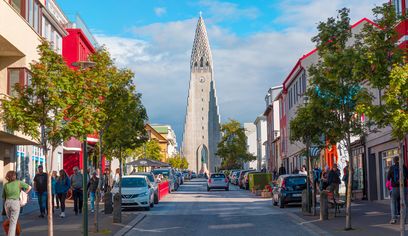
Private Reykjavik Driving Tour
BT Travel · 2 hours
Visit Fýkur yfir Hæðir by car
Driving here? Compare suitable vehicle types for the region, then check rental offers for your dates.
Search real availability here
Vehicle types are suggestions, not live prices or availability. GoIceTravel may earn a commission at no extra cost.
Photos
Gallery
Background
History & Background
Ásmundur Sveinsson made Fýkur yfir hæðir in 1933, during a period when he simplified human figures into clear, expressive masses. The mother-and-child motif conveys shelter and protection against Icelandic wind.
Fýkur yfir hæðir is a 1933 sculpture by Ásmundur Sveinsson. Rather than an ambiguous embracing figure, its subject is **a mother shielding a child from the wind**. The forms are deliberately simplified to emphasise that protective movement. Reykjavík Art Museum documents more than one version, including an outdoor sculpture in the garden at Ásmundarsafn and another near Seljakirkja. These are distinct placements and sizes; verify which version the GoIceTravel map pin represents. It is a public artwork, not a staffed indoor exhibition on its own.
Folklore
Story & Folklore
On a crisp Reykjavik morning, under a soft, overcast sky, the sculpture 'Fýkur yfir Hæðir' stands as a silent sentinel. The figure, cast in dark, weathered bronze, appears hunched, almost cradling itself or a hidden burden, its form softened by time and the elements. Around its base, vibrant yellow dandelions push through the dark earth, their cheerful resilience a stark contrast to the statue's solemnity. The slender, pale bark of the surrounding trees, just beginning to unfurl their delicate green leaves, frames the scene, hinting at spring's gentle arrival. A lone black car passes on the nearby street, a fleeting moment in the city's rhythm, yet the statue remains, rooted to its moss-flecked volcanic rock, a timeless embodiment of human emotion against the backdrop of an ever-changing world.
Did You Know?
The sculpture's title, 'Fýkur yfir Hæðir,' translates to 'Wind Blows Over the Hills,' evoking a sense of enduring nature.
Culture
Stories & Legends
Icelandic sagas and folklore from this area

Reykjavík
Reykjavík is a historic location in Iceland mentioned in "Harðar saga og Hólmverja", one of the ancient Íslendingasögur (Sagas of Icelanders). These medieval narratives preserve the history of Iceland's Viking Age settlement.
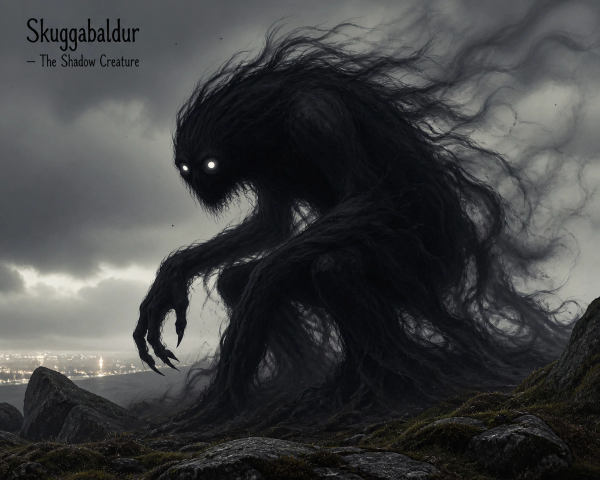
Skuggabaldur – The Shadow Creature
Skuggabaldur: A phantom dog guarding forgotten paths.
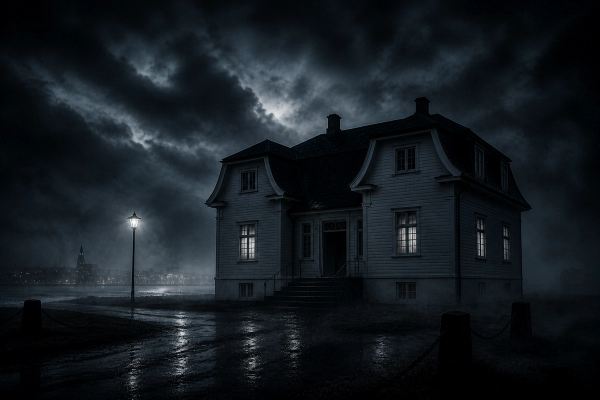
Höfði House – Reykjavík's Haunted Mansion
Höfði House: Reykjavík's historic mansion with a chilling paranormal past.

The Settlement of Iceland – Land of Fire and Freedom
Iceland: Land of Fire and Freedom, forged by Vikings and volcanic might.
Explore
Hidden Gems Nearby
Moss-covered Volcanic Base
Observe the intricate patterns of moss and lichen clinging to the porous volcanic rock base, a microcosm of Iceland's rugged beauty.
It highlights the statue's integration with Iceland's unique geology and plant life.
Birch Bark Textures
Notice the delicate, peeling bark of the surrounding trees, likely birch, and their newly unfurled green leaves, adding a soft, organic frame to the sculpture.
The trees provide a beautiful natural contrast to the dark bronze and change with the seasons.
Dandelions' Resilience
In spring and early summer, bright yellow dandelions carpet the ground around the statue, symbolizing life's persistence and beauty even in humble forms.
Their vibrant color offers a cheerful counterpoint to the sculpture's contemplative mood.
Help
Frequently Asked Questions
Location
Location
Discover
Explore Nearby
Places within 5.0 km
Loading nearby places…
0 places found within 5.0 km
Plan full itinerary →Explore More