
Capital Region
Ferðalangur (The Traveller)
About Ferðalangur (The Traveller)
Ferðalangur, "The Traveller" Museum, is a vibrant homage to the enduring spirit of exploration that has defined Iceland from its very genesis. Located in the heart of the capital region, this museum invites visitors on an immersive journey through the nation's rich history of discovery, settlement, and ongoing adventure. From the intrepid Viking navigators who first sighted these shores over a millennium ago, using ancient star charts and intuitive seamanship, to the modern scientists and artists who continue to push boundaries, Ferðalangur showcases the many facets of Icelandic wanderlust. Inside, you’ll encounter meticulously curated exhibits featuring genuine archaeological finds, detailed replicas of early navigational tools, and interactive displays that bring the sagas to life. Multimedia installations transport you to the deck of a longship battling the Atlantic swells, or into the minds of pioneers charting unknown territories. Learn about the challenges faced by the first settlers, the cultural exchanges that shaped early Icelandic society, and how isolation fostered a unique resilience and an unquenchable thirst for knowledge about the wider world. The museum also highlights modern Icelandic exploration, from mountaineering expeditions to scientific research in extreme environments, demonstrating that the spirit of Ferðalangur remains as vibrant today as it was a thousand years ago. Don't miss the panoramic view from the top floor, offering a contemporary perspective on the land once discovered.
🐉 The Horses That Built Reykjavík
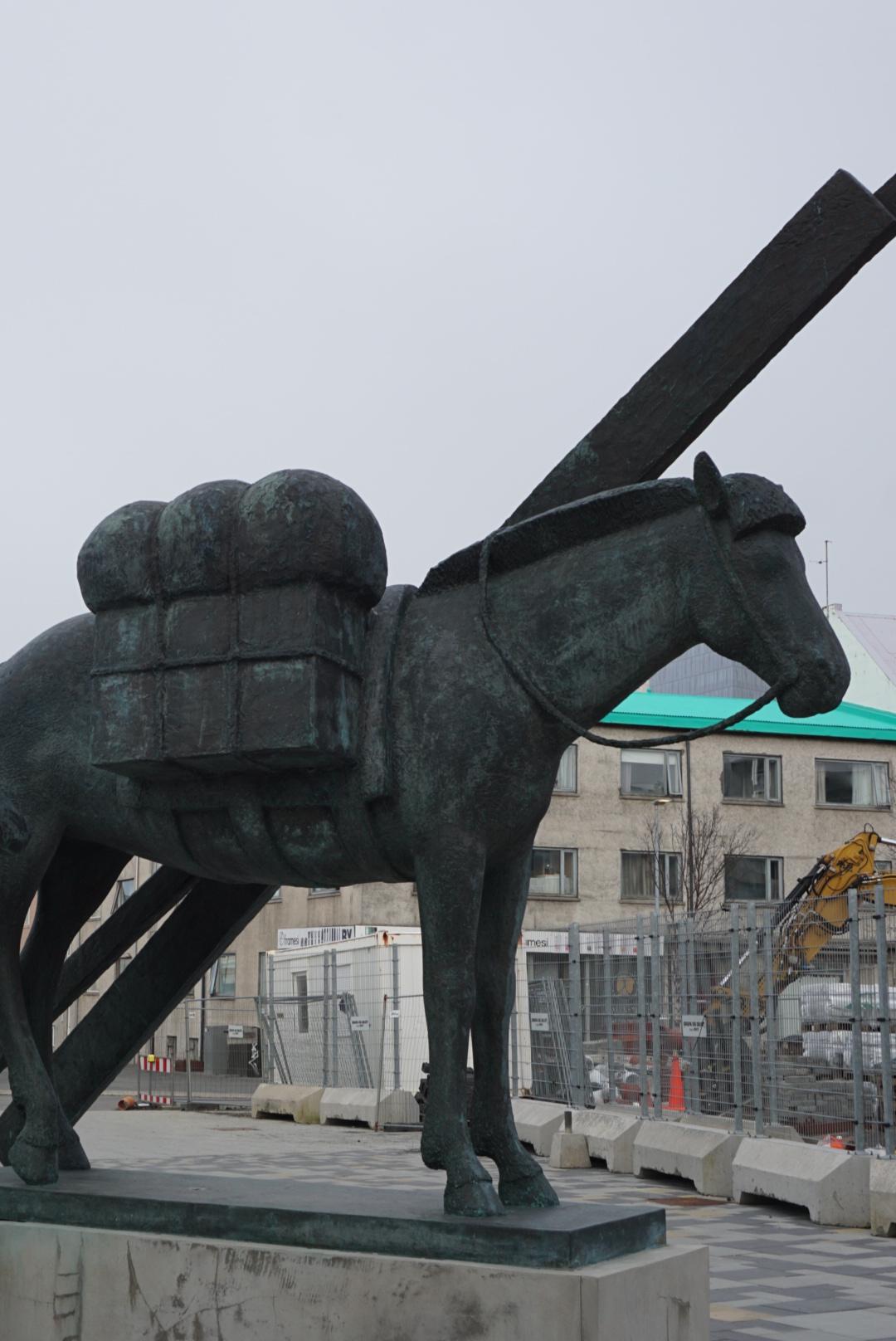
Long before trucks, paved roads, and cranes shaped Reykjavík, the city grew step by step on the backs of working horses. Ships brought timber to the harbour, but it was the pack horses that carried the heavy beams inland through muddy streets and open fields to construction sites across the young town. Without them, many of Reykjavík’s earliest houses, streets, and workshops would never have taken shape. The sculpture Ferðalangur captures this forgotten movement through the city — a quiet procession of labour, endurance, and progress. The long timber beams resting across the horses’ backs symbolize the materials that helped transform Reykjavík from a small trading settlement into a growing capital. Standing near Hlemmur, once one of Reykjavík’s busiest transport crossroads, the sculpture reminds visitors that every modern city rests on the footsteps — and hoofprints — of those who came before.
📖 History of Ferðalangur (The Traveller)
The story of Iceland is inextricably linked with travel and exploration, beginning with the audacious voyages of the Norse Vikings in the late 9th century. These intrepid seafarers, driven by a mix of land hunger, political strife, and sheer curiosity, navigated the treacherous North Atlantic to discover and settle this remote island. Their initial journeys and the subsequent waves of settlement laid the foundation for a unique society, shaped by its isolation and the constant challenge of a harsh yet beautiful environment. Over centuries, Icelanders continued to be travellers, whether through trade routes that connected them to Europe or through internal expeditions across their rugged landscape. The sagas themselves are epic tales of journeys, feuds, and the establishment of a new world. Ferðalangur Museum was founded to encapsulate this profound historical narrative, recognizing that the act of 'travelling' – whether across oceans or through ideas – is central to the Icelandic identity. The museum, established in the early 21st century, serves as a modern guardian of these ancient and contemporary tales. It meticulously gathers artifacts, documents, and oral histories, creating a dynamic space where the past resonates with the present. It’s a place where visitors can understand not just *what* happened, but *why* the spirit of the traveller remains so potent in the Icelandic psyche.
✈️ Why Visit
Unravel the sagas of Icelandic explorers and feel the enduring spirit of discovery that defines the nation.
💡 Did You Know?
Did you know the first known settlers of Iceland, the Vikings, navigated using sunstones and the stars, embarking on some of history's most audacious voyages?
Key Facts
Artist: Sigurjón Ólafsson
Material: Bronze
Theme: Transport history and urban development
Subject: Pack horses carrying construction timber
Location: Hlemmur, Reykjavík
💎 Hidden Gems
Look at the Timber Beams
The unusually long wooden beams carried by the horses are not decorative. They represent imported construction timber that arrived through Reykjavík harbour and helped build many of the city’s earliest houses.
This detail connects the sculpture directly to Reykjavík’s transformation from a small coastal settlement into a growing capital.
Why the Sculpture Stands at Hlemmur
Hlemmur was historically one of Reykjavík’s busiest transport crossroads. Placing the sculpture here strengthens its connection to travel routes, movement, and the transport history of the city.
It helps visitors understand that this area has always been a gateway between neighbourhoods and generations of travellers.
Sigurjón Ólafsson’s Signature Style
Sigurjón Ólafsson often simplified human and animal forms to highlight movement and strength rather than realism. The horses’ solid shapes reflect endurance rather than motion.
Recognizing the artist’s style adds a deeper layer of meaning to the sculpture beyond its historical subject.
🕐 Best Time
Morning (fewer crowds), All year
🚗 Access
Centrally located in Reykjavík, easily accessible by foot, public bus, or taxi. Ample parking available nearby.
⏱ Duration
1.5–2 hours
📍 GPS Location
Explore Tours Near Ferðalangur (The Traveller)
Find guided tours, day trips and activities. Compare prices and book instantly with free cancellation.