Fáskrúðsfjörður Village
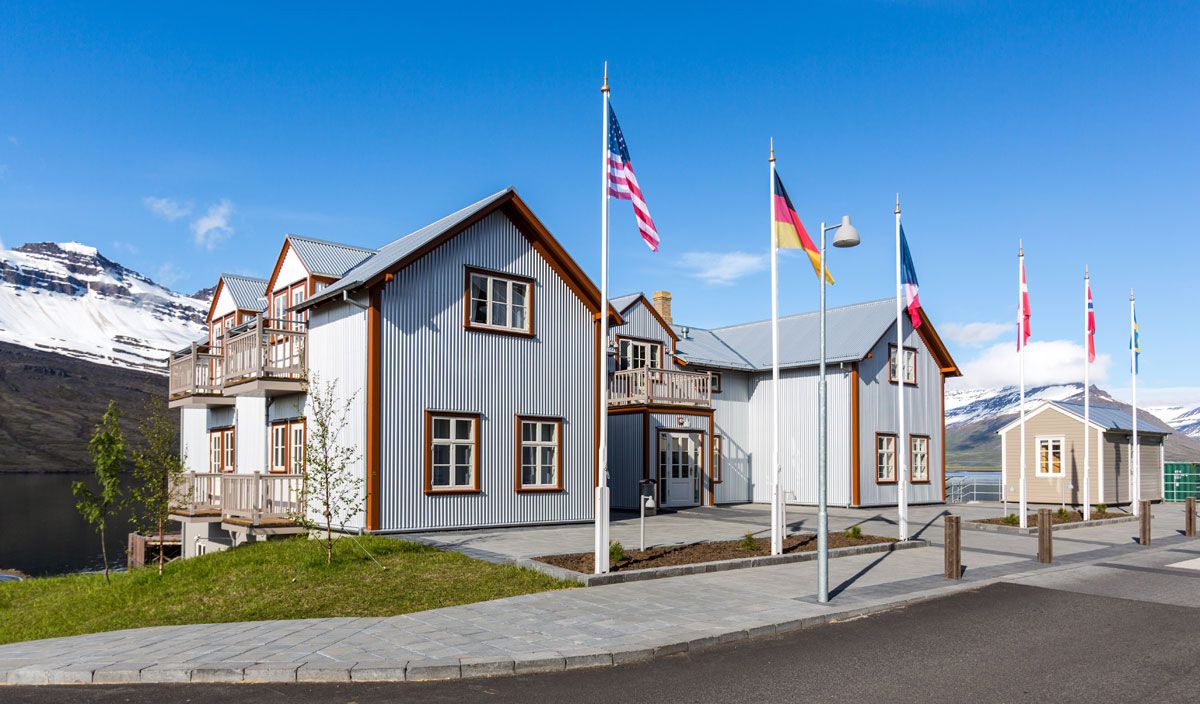
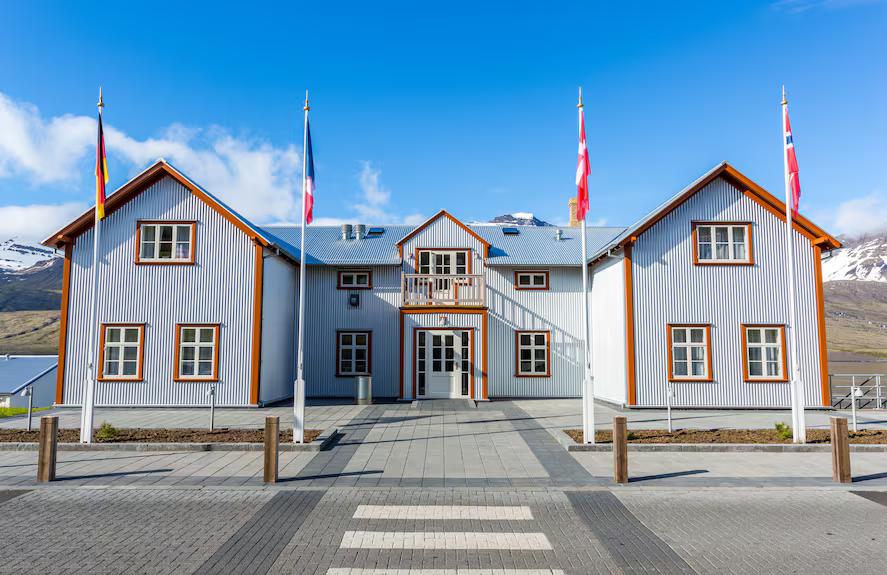
Historic Eastfjords village known for its distinctive French fishing heritage and bilingual street signs.
At a Glance
Visit time
Allow 1-2 hours to explore the village and absorb its historical atmosphere.
Best season
Summer months (May-September) for best weather and accessibility.
Access
Accessible by road (Route 96 or Route 1) in East Iceland, part of the Fjarðabyggð municipality.
GPS
64.9300, -14.0084
About
About Fáskrúðsfjörður Village
Historic Eastfjords village known for its distinctive French fishing heritage and bilingual street signs.
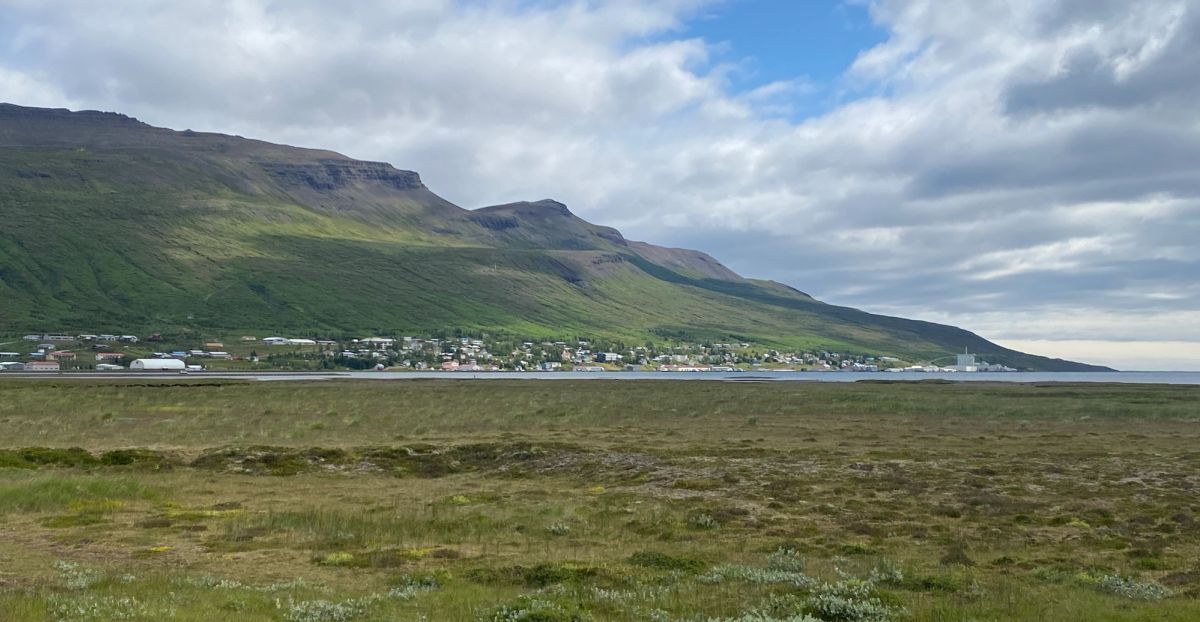
Experience a unique blend of Icelandic charm and French history amidst the stunning Eastfjords scenery.
Photos
Photo Gallery
Background
History & Background
Fáskrúðsfjörður, also known by its historic name Búðir, holds a significant place in the annals of Iceland's Eastfjords. Its identity is inextricably linked to the maritime activities of the 19th century, particularly the strong presence of French fishing fleets. These fleets frequented the fjord, establishing a deep and lasting cultural connection with the local Icelandic community. The village served as a crucial base for French fishermen, providing essential services and shelter. This interaction led to a unique cultural blend, with French influences becoming a defining characteristic of Fáskrúðsfjörður. This historical period shaped the village into the distinctive place it is today, a unique testament to international maritime cooperation and cultural exchange in a remote corner of Iceland.
Nestled within the breathtaking landscapes of Iceland's Eastfjords, Fáskrúðsfjörður, historically recognized as Búðir, offers a truly distinctive travel experience. This charming village, part of the Fjarðabyggð municipality, is celebrated for its profound and unique French heritage, a legacy dating back to the 19th century when French fishing fleets frequently sought shelter and supplies here. The village became a vital hub, fostering a deep cultural connection that shaped its identity. As you wander through Fáskrúðsfjörður, you can almost feel the historical echoes of those French seafarers. While specific attractions aren't detailed, the village itself, with its historic ambiance and stunning fjord setting, serves as its own captivating exhibit. Visitors can immerse themselves in the tranquil beauty of the Eastfjords, contemplating the dramatic interplay between land and sea that has defined life here for centuries. The unique blend of Icelandic resilience and French influence creates an atmosphere unlike anywhere else in the country. Tips for visitors include taking your time to absorb the peaceful surroundings and the sense of history. Explore the village at a leisurely pace, perhaps imagining the bustling quays of yesteryear. Given its Eastfjords location, prepare for changeable weather and always respect the natural environment. Fáskrúðsfjörður is a place not just to see, but to feel – a living testament to an extraordinary cross-cultural relationship forged by the sea.
Folklore
Story & Folklore
Imagine a crisp Eastfjords morning, the air thick with the scent of salt and sea. In Fáskrúðsfjörður, or Búðir as it was once known, the ghosts of 19th-century French fishermen still whisper on the wind. Picture their sturdy vessels arriving, their crews bringing a vibrant slice of French culture to this remote Icelandic fjord. The village hummed with their presence, a unique cultural exchange unfolding against a backdrop of dramatic mountains and a shimmering fjord. Each building, each pathway, seems to hold a memory of those bygone days, of shared stories, laughter, and the hard work of the fishing season. Visiting today, one can almost hear the distant refrains of French songs carried across the water, a poignant reminder of the deep and unexpected ties that bind this Icelandic outpost to the shores of France.
💡 Did You Know?
Fáskrúðsfjörður was historically known as Búðir, a testament to its long and storied past as a vital Eastfjords settlement.
Local Legend
No specific local legend documented
Information regarding a specific local legend or myth for Fáskrúðsfjörður is not available in the provided research. The area's history is predominantly linked to its French fishing heritage.
Explore
Hidden Gems Nearby
✦ Best Time of Day
Visit this attraction during golden hour (the hour after sunrise or before sunset) for the most beautiful light.
Iceland's low-angle sunlight creates long shadows and warm colors that transform ordinary scenes into extraordinary ones.
✦ Local Knowledge
Ask locals for their favorite nearby spots — Icelanders are friendly and love sharing recommendations.
The best experiences often come from local tips about lesser-known viewpoints, cafés, or hidden natural features.
✦ Weather Changes
Don't leave if the weather is bad — wait 15 minutes and it often changes dramatically.
Iceland's rapidly changing weather can transform a gray scene into a spectacular display of light and clouds in minutes.
Help
Frequently Asked Questions
Location
📍 Location
Discover
Explore Nearby
Places from our database within 1.0 km — all data from Sanity
Loading nearby places…
0 places found within 1.0 km
Plan full itinerary →Explore More