Almannagjá
Witness the dramatic geological rift of Almannagjá, where tectonic plates meet and history was forged.
About
About Almannagjá
Witness the dramatic geological rift of Almannagjá, where tectonic plates meet and history was forged.
Walk through the stunning rift valley where two continents meet and Icelandic history was made.
Background
History & Background
Almannagjá's origins are deeply rooted in Iceland's powerful geological processes. It is a prominent lava fissure, part of the extensive graben system that characterizes the Þingvellir area, lying directly on the Mid-Atlantic Ridge. This rift valley is a direct result of the slow, continuous divergence of the North American and Eurasian tectonic plates, which pull apart at an average rate of about 2 centimeters per year. Over millennia, this tectonic activity has created the dramatic, fractured landscape, with the western wall representing the North American plate and the eastern wall showing significant subsidence as part of the Eurasian plate. Beyond its geological marvel, Almannagjá holds immense historical significance as the primary entrance to the Althing (Alþingi), Iceland's ancient parliament. From the year 930 AD until 1798, chieftains, lawmakers, and the general populace would traverse this very gorge to reach the annual assembly grounds. It was here that laws were made, disputes were settled, and the foundations of Icelandic society were laid. Walking through Almannagjá today is to follow in the footsteps of centuries of Icelandic history, connecting visitors directly to the nation's foundational events. Adding to its mystique, local legend suggests that Almannagjá was originally named Álfmannagjá, meaning 'Elf Canyon.' It was believed to be a dwelling place for elves and other hidden beings, or 'huldufólk.' This ancient belief highlights the deep spiritual connection Icelanders have always had with their powerful and often otherworldly natural landscapes, weaving a layer of folklore into the canyon's already rich tapestry of history and geology.
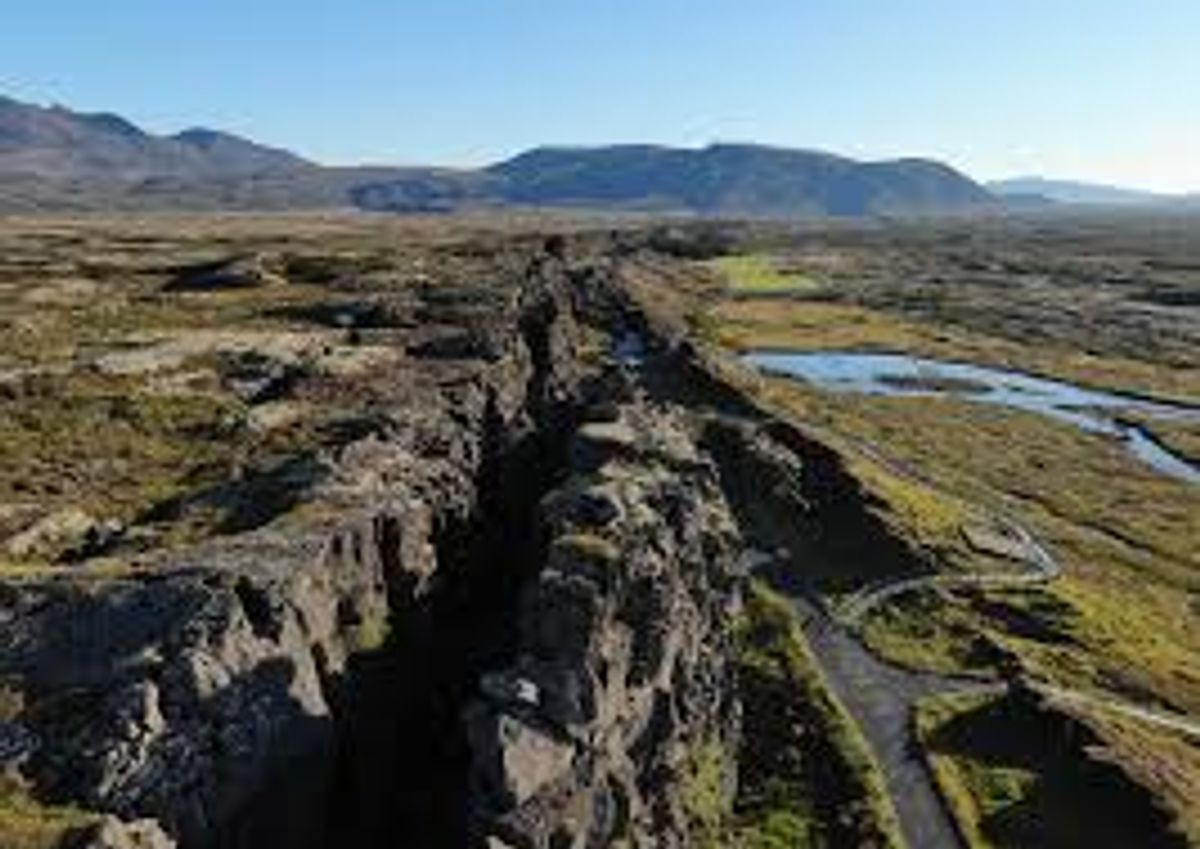
Almannagjá, a name meaning 'All Men's Gorge,' is a truly iconic natural landmark situated within the revered Þingvellir National Park in South Iceland. It's not merely a canyon but a visible manifestation of the Mid-Atlantic Ridge, where the North American and Eurasian tectonic plates are continuously drifting apart. The striking image showcases the deep, dark fissure, with its steep, rocky walls rising dramatically from the valley floor, hinting at the immense geological forces at play. The western rim of the gorge stands firm, a testament to the North American plate, while the eastern side, part of the Eurasian plate, has visibly subsided, creating a lower, more open landscape. This ongoing separation causes the land between Almannagjá and the parallel Hrafnagjá to sink, forming a dramatic graben. Historically, Almannagjá served as the main entrance to the Althing, Iceland's ancient outdoor parliament, which convened here for nearly 900 years. Chieftains, lawmakers, and ordinary people would walk through this very gorge to attend the annual assembly, making it a sacred pathway steeped in the nation's legal and cultural heritage. The well-maintained path seen in the image allows visitors today to retrace these historic steps, offering unparalleled views of the rift valley and its unique rock formations. Beyond its geological and historical significance, local folklore suggests Almannagjá was originally known as Álfmannagjá, or 'Elf Canyon,' believed to be a dwelling place for Iceland's hidden folk. A visit here is a journey through time, geology, and myth, offering a profound insight into the heart of Iceland.
Folklore
Story & Folklore
As you step onto the path winding through Almannagjá, the sheer scale of this geological wonder immediately commands attention. The deep, dark chasm, with its rugged, moss-kissed rock walls, tells a story millions of years in the making. Imagine the slow, relentless power of the Earth, pulling continents apart, carving this dramatic rift across the landscape. For centuries, this very path was trodden by chieftains and common folk journeying to the Althing, Iceland's ancient parliament, held just beyond these towering walls. The air here seems to hum with echoes of their footsteps, their debates, and perhaps, the whispers of the 'huldufólk' – elves and hidden beings – believed to reside within these very rocks. It's a place where geology, history, and folklore intertwine, offering a profound sense of connection to Iceland's untamed spirit.
💡 Did You Know?
Almannagjá is a visible part of the Mid-Atlantic Ridge, where the North American and Eurasian tectonic plates slowly pull apart, growing by about 2 cm per year.
Local Legend
Gjá allra manna eða Gjá álfa?
Staðbundin trú bendir til þess að gjáin hafi upphaflega verið kölluð Álfmannagjá, 'Álfa-gjá', vegna þeirrar sannfæringar að hún væri heimili álfa og annarra hulduvera. Jafnvel í dag segja sumir að vökult auga gæti séð til 'huldufólksins' meðal hinna fornu kletta.
Culture
Stories & Legends
Icelandic sagas and folklore from this area
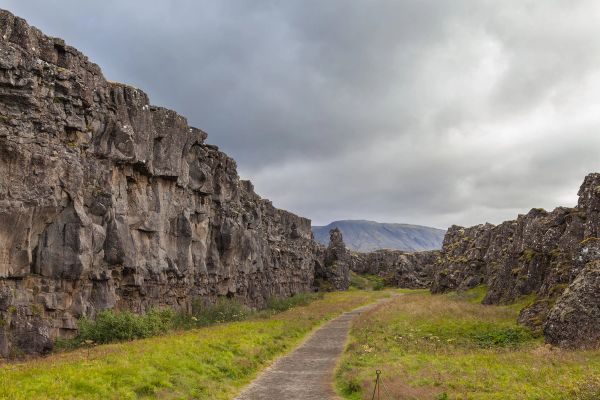
Almannagjá
Walk where Iceland's ancient parliament, the Alþingi, once convened.
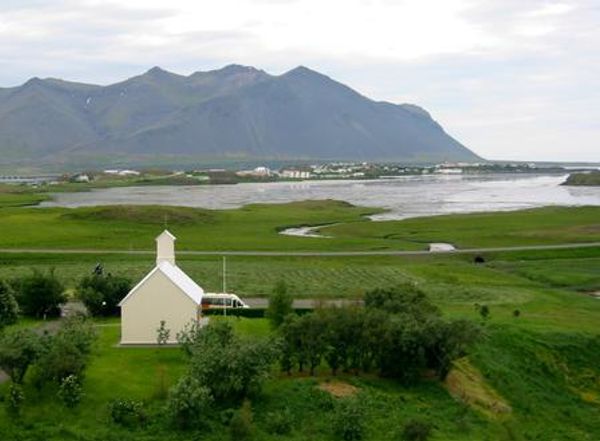
Grettishaf við Sleðaás
Grettishaf við Sleðaás is a historic location in Iceland mentioned in "Grettis saga", one of the ancient Íslendingasögur (Sagas of Icelanders). These medieval narratives preserve the history of Iceland's Viking Age settlement.
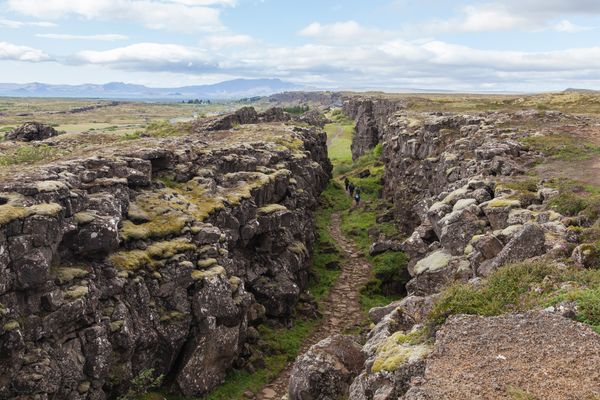
Lögberg
Lögberg: The Law Rock, where chieftains and laws once echoed.
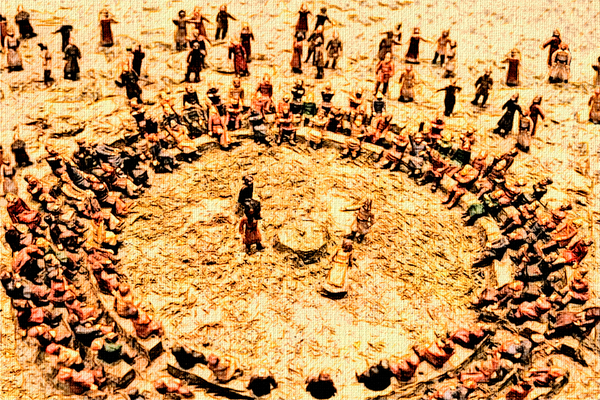
Lögrétta
Lögrétta: The law assembly, the very heart of Icelandic justice.
Location
📍 Location
Discover
Explore Nearby
Places from our database within 1.0 km — all data from Sanity
Loading nearby places…
0 places found within 1.0 km
Plan full itinerary →Explore More