
South Iceland
Vatnajokull National Park
About Vatnajokull National Park
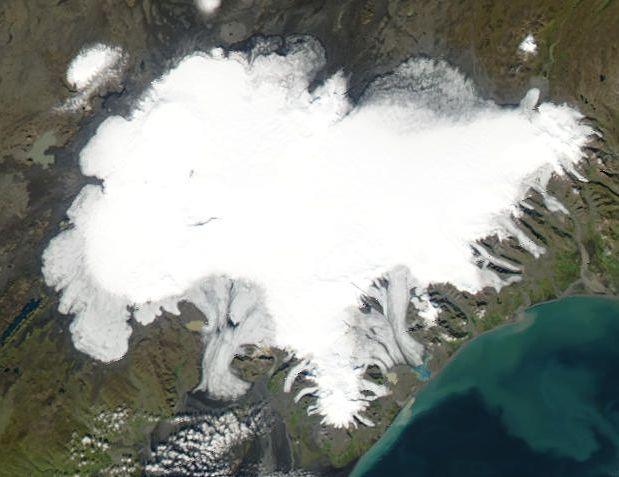
Vatnajökull National Park is Europe's largest national park, covering approximately 14% of Iceland (around 14,141 km²). The park was established in 2008 by merging Skaftafell and Jökulsárgljúfur national parks with the Vatnajökull glacier area. It encompasses Iceland's highest peak, Hvannadalshnúkur (2,110m), Europe's most powerful waterfall (Dettifoss), and numerous active volcanic systems beneath the ice cap. The park showcases the dynamic forces of fire and ice that have shaped Iceland over millions of years. Visitors can explore black sand deserts, glacier tongues, canyon systems, thundering waterfalls, and unique geological formations. The park is divided into several visitor areas, each offering distinct landscapes and experiences, from the lush greenery of Skaftafell to the stark volcanic deserts around Askja to the surreal beauty of Jökulsárlón glacier lagoon.
🐉 Legends of Vatnajokull National Park
Vatnajokull National Park has been part of Icelandic folklore for generations. Local tales speak of hidden people (huldufólk) and other supernatural beings who inhabit the area. According to tradition, this place deserves respect and visitors should be mindful of the ancient spirits who call it home.
📖 History of Vatnajokull National Park
Skaftafell and Jökulsárgljúfur were established as separate national parks in 1967 and 1973, respectively. In 2008, they were merged with the Vatnajökull glacier region to create one massive national park. The area has been shaped by volcanic eruptions, glacial floods (jökulhlaups), and glacial advances and retreats over thousands of years. The catastrophic Skaftáreldar eruption of 1783-84 from the Lakagígar crater row within the park caused widespread devastation in Iceland and climatic effects across Europe.
✈️ Why Visit
Home to Vatnajökull glacier, Dettifoss waterfall, Skaftafell hiking trails, and Jökulsárlón glacier lagoon.
💡 Did You Know?
Vatnajökull glacier covers about 8% of Iceland's land area.
Key Facts
Covers 14% of Iceland's total land area
Contains Iceland's highest peak at 2,110 meters
Vatnajökull is Europe's largest glacier by volume
Home to several active volcanic systems
UNESCO World Heritage Site since 2019
💎 Hidden Gems
Best Time of Day
Visit Vatnajokull National Park during golden hour (the hour after sunrise or before sunset) for the most beautiful light.
Iceland's low-angle sunlight creates long shadows and warm colors that transform ordinary scenes into extraordinary ones.
Local Knowledge
Ask locals for their favorite nearby spots — Icelanders are friendly and love sharing recommendations.
The best experiences often come from local tips about lesser-known viewpoints, cafés, or hidden natural features.
Weather Changes
Don't leave if the weather is bad — wait 15 minutes and it often changes dramatically.
Iceland's rapidly changing weather can transform a gray scene into a spectacular display of light and clouds in minutes.
🕐 Best Time
May–September for accessibility; winter for ice caves
🚗 Access
Multiple access points along Route 1; some areas F-road only
⏱ Duration
Half day to multiple days depending on area
Frequently Asked Questions
How do I get to Vatnajokull National Park?▾
Check the location on a map app and verify road conditions at road.is. A regular car is sufficient for most paved roads, but a 4x4 may be needed for gravel or highland roads.
Is there an entrance fee?▾
Entry fees vary by site. Many natural attractions in Iceland are free, while museums and organized tours typically charge admission.
When is the best time to visit?▾
Summer (June-August) offers the best weather and longest days. Winter brings possible Northern Lights but shorter daylight hours and potential road closures.
📍 GPS Location
Explore Tours Near Vatnajokull National Park
Find guided tours, day trips and activities. Compare prices and book instantly with free cancellation.