
south-iceland · Iceland
Hveravellir
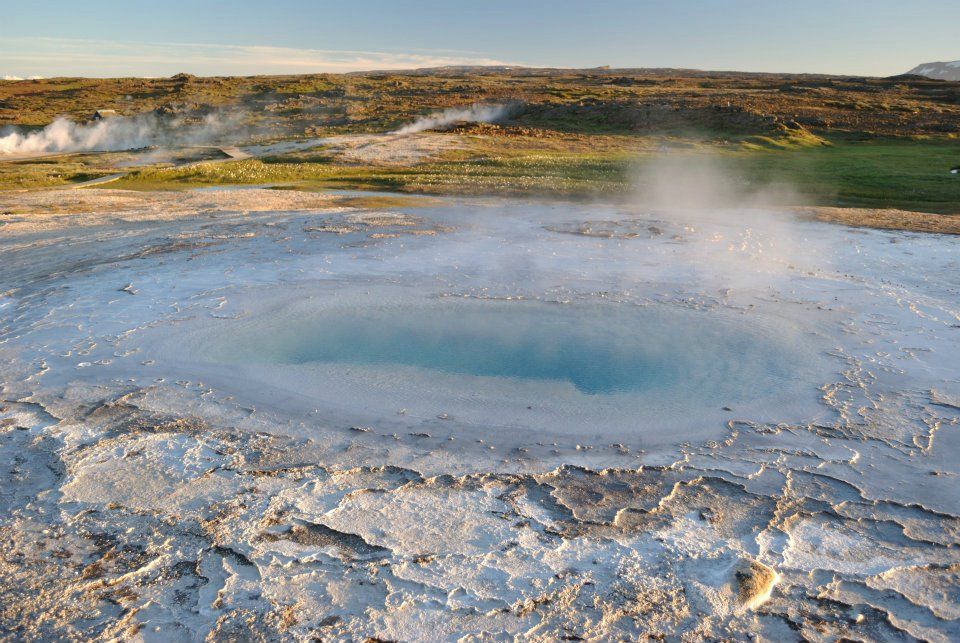
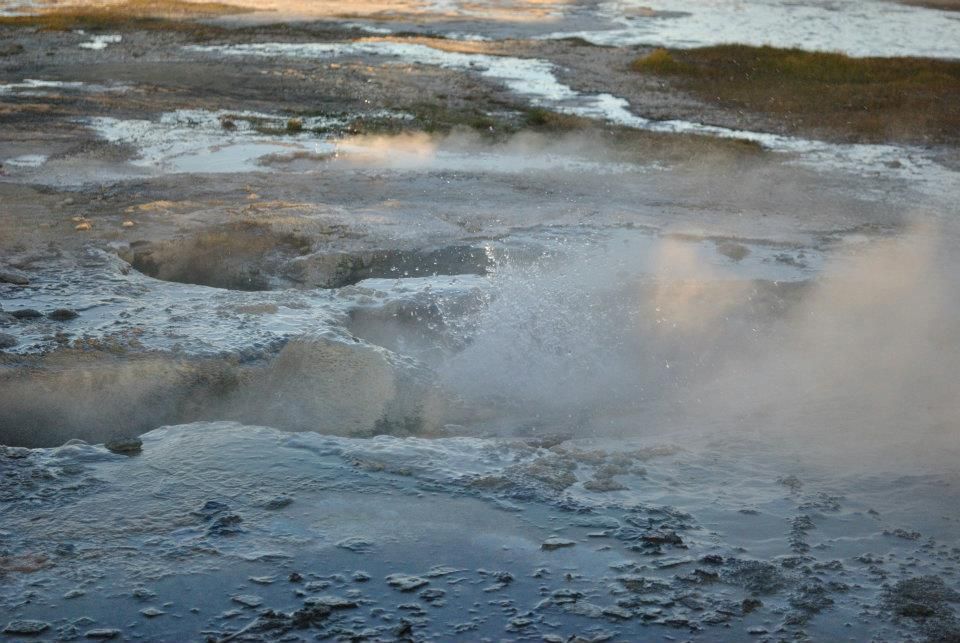
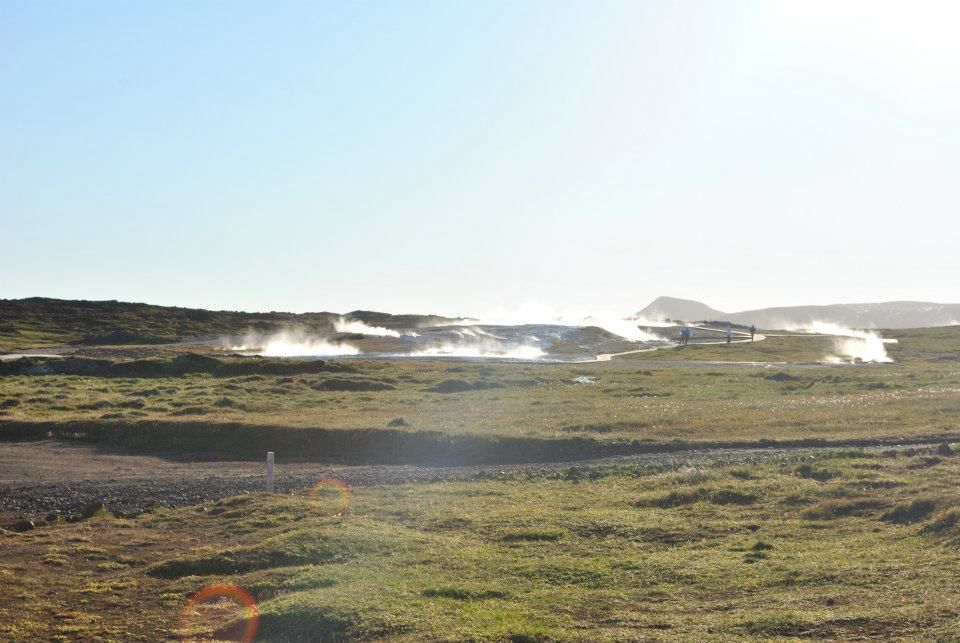
Hveravellir is a remote geothermal oasis in the central highlands of Iceland, located along the Kjölur route (F35) between Hofsjökull and Langjökull glaciers. Hot springs, fumaroles and bubbling mud pools dot the landscape, and a natural hot pot heated by geothermal water offers one of Iceland's most atmospheric bathing experiences under open skies. The mountain hut here is one of the most beloved stops on the highland routes.
About Hveravellir
Hveravellir is a remote geothermal oasis in the central highlands of Iceland, located along the Kjölur route (F35) between Hofsjökull and Langjökull glaciers. Hot springs, fumaroles and bubbling mud pools dot the landscape, and a natural hot pot heated by geothermal water offers one of Iceland's most atmospheric bathing experiences under open skies. The mountain hut here is one of the most beloved stops on the highland routes.
History & Background
Hveravellir in the Highlands sits atop one of Iceland's many geothermal hotspots, a testament to the volcanic forces that continue to shape this island. Geothermal activity has been central to Icelandic life since the earliest settlers arrived in the 9th century. The Norse settlers quickly learned to harness hot springs for bathing, cooking, and washing. The famous Snorralaug (Snorri's Pool), built in the 13th century, demonstrates how deeply geothermal bathing is embedded in Icelandic culture. In the 20th century, Iceland pioneered the use of geothermal energy for district heating, and today about 90% of Icelandic homes are heated by geothermal water. Sites like Hveravellir represent both the ancient and modern relationship between Icelanders and their geothermal landscape.
Did You Know?
- ✔Iceland generates about 25% of its electricity from geothermal energy
- ✔Geothermal water heats about 90% of all buildings in Iceland
- ✔Iceland has over 600 hot springs and 200+ volcanically heated areas
- ✔The word "geyser" comes from the Icelandic word "geysa" meaning to gush
Tours Near Hveravellir
Best-rated Iceland experiences — book with free cancellation

Private Silfra Snorkeling 6 p. group - Meet on Location - with Underwater Photos
From $899
Book Now
Private Jökulsárlón Glacier Lagoon 2 Day Tour & Glacier Hike
From $7240
Book Now
Private 2-Day Glacier Lagoon, Ice Cave and Northern Lights
From $7400
Book NowAbout Hveravellir
Hveravellir is one of the most interesting natural attractions in highlands of Iceland.

Reykjavík All In One Food Tour - Eat, Drink & Explore with Locals
From $207.37
Book Now
Glacier Adventure at Sólheimajökull Private Tour
From $385.11
Book Now
Reykjavik Private Northern Lights Tour with Pro Photographer
From $1647.1
Book NowHistory & Background
Hveravellir in the Highlands sits atop one of Iceland's many geothermal hotspots, a testament to the volcanic forces that continue to shape this island. Geothermal activity has been central to Icelandic life since the earliest settlers arrived in the 9th century. The Norse settlers quickly learned to harness hot springs for bathing, cooking, and washing. The famous Snorralaug (Snorri's Pool), built in the 13th century, demonstrates how deeply geothermal bathing is embedded in Icelandic culture. In the 20th century, Iceland pioneered the use of geothermal energy for district heating, and today about 90% of Icelandic homes are heated by geothermal water. Sites like Hveravellir represent both the ancient and modern relationship between Icelanders and their geothermal landscape.

Reykjanes Peninsula Private Day Tour - up to 9 passengers
From $2500
Book Now
2 hour Round Trip in Vestmannaeyjar on a RIB Boat
From $242.92
Book Now
Iceland: Diamond Beach Glacier Lagoon Black Sand Beach 冰岛冰河湖中文一日团
From $229.9
Book NowStory & Folklore
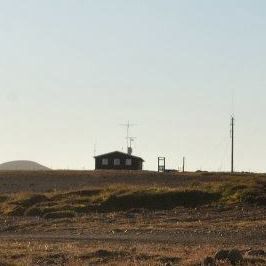
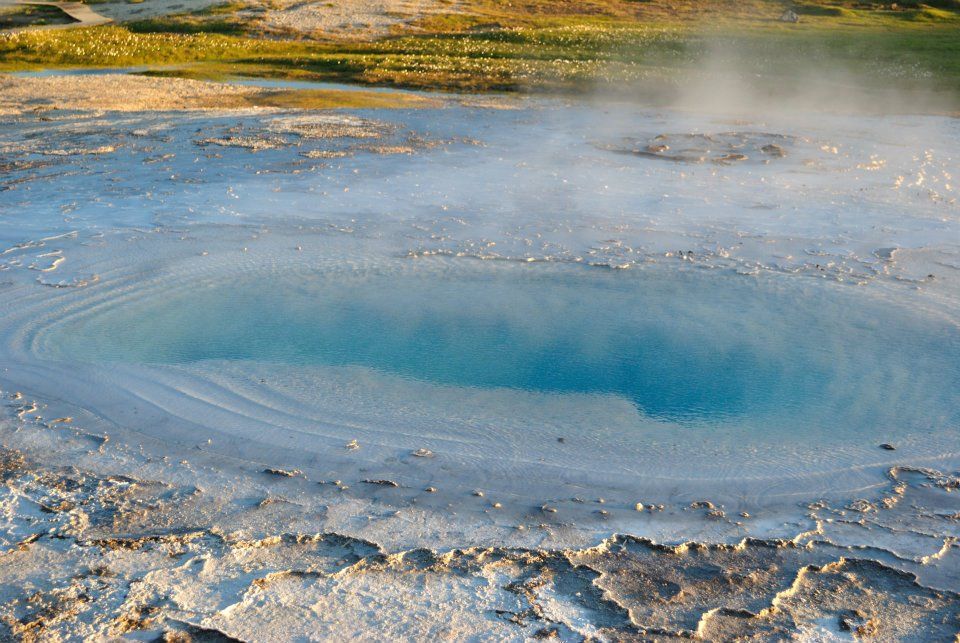
Hveravellir is a Highland oasis on the Kjölur route — a geothermal area in the interior desert where hot springs bubble beside a natural pool bordered by blue mountains. The area has been used as a resting place for travellers crossing the Kjölur route since the saga age. In the 18th century, the outlaw Fjalla-Eyvindur hid here for years, using the hot springs for warmth and cooking in a landscape too harsh for pursuing authorities. Today Hveravellir has a small mountain hut and a geothermally heated outdoor pool, free to use for travellers on the Kjölur or Sprengisandur routes. The spring colours — azure blue surrounded by ochre sulphur deposits and black lava — are extraordinary in clear Highland light.

Private Aurora Hunt in Iceland with Professional Photos
From $1699
Book Now
Private Iceland Tour - Hidden Gems & Local Experience
From $2300
Book Now
Full Day Golden Circle - Guided Tour
From $2160.34
Book NowVisitor Information
Best Time
June–September (on Kjölur highland route)
Duration
1–2 hours
Access
On Kjölur route (F35) between Blönduós and Gullfoss. 4WD recommended. Mountain hut available.
Why Visit
Natural hot pool in the middle of the highlands
Did You Know?
The outlaw Fjalla-Eyvindur hid here in the 18th century
Legends of Hveravellir
Hveravellir has been part of Icelandic folklore for generations. Local tales speak of hidden people (huldufólk) and other supernatural beings who inhabit the area. According to tradition, this place deserves respect and visitors should be mindful of the ancient spirits who call it home.
Hidden Gems Nearby
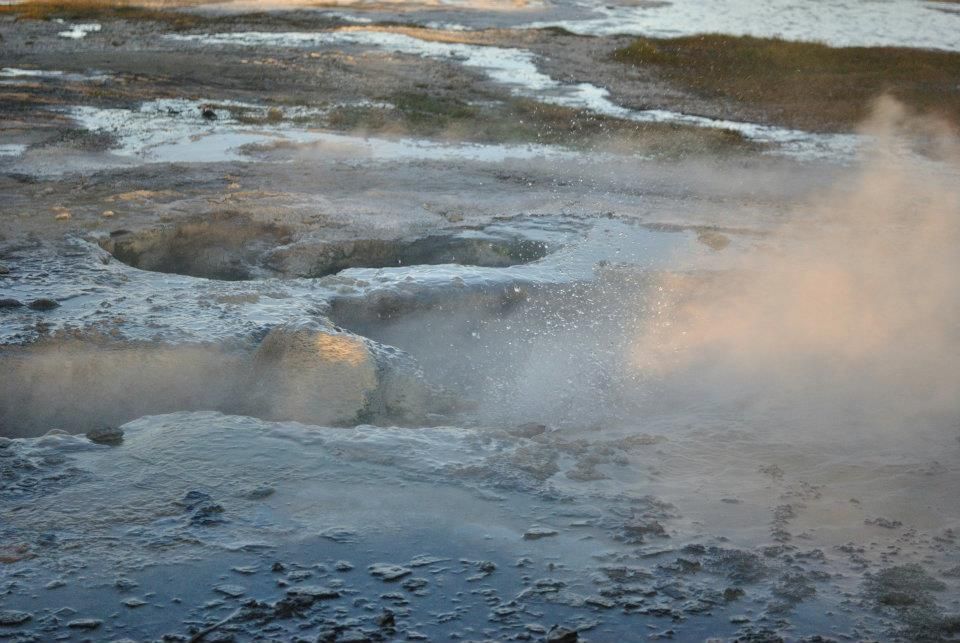
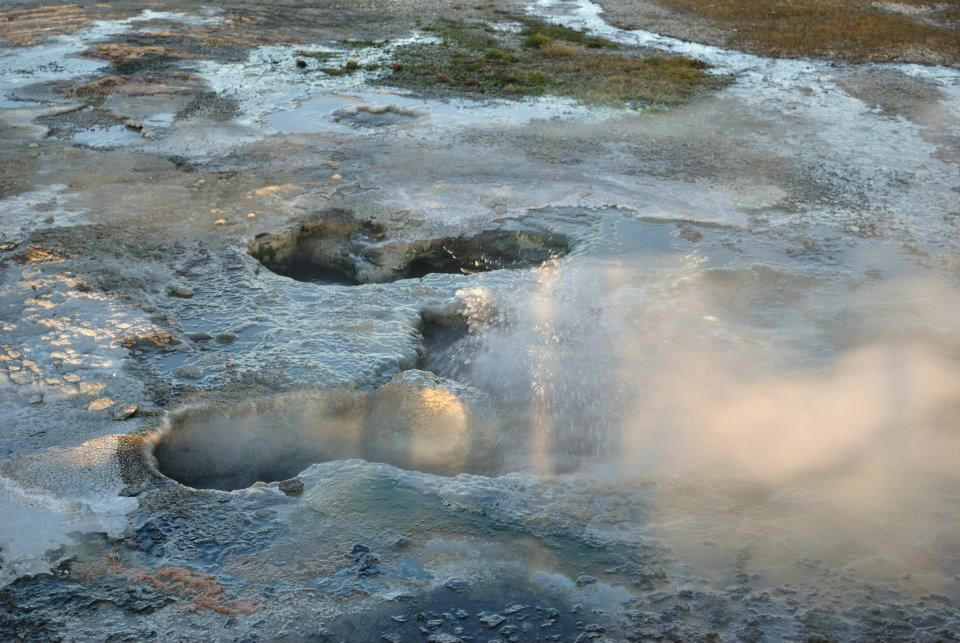
Steam Patterns
Watch how the steam patterns change with wind direction and temperature throughout the day.
On cold mornings, the steam is most dramatic, creating an otherworldly atmosphere that photographs beautifully.
Mineral Colors
Notice the vivid colors around the geothermal features — yellow sulfur, red iron oxide, and green algae.
These colors represent different minerals deposited by the hot water, creating a natural palette unique to each hot spring.
Bubbling Mud Pots
If present, the bubbling mud pots are mesmerizing to watch — each bubble is a small volcanic event.
The mud is created by acidic steam breaking down the surrounding rock, and each site has a unique bubbling rhythm.
Practical Information
Best Time
June–September (on Kjölur highland route)
Duration
1–2 hours
Access
On Kjölur route (F35) between Blönduós and Gullfoss. 4WD recommended. Mountain hut available.
Photo Gallery
Frequently Asked Questions
Is it safe to touch the geothermal water?▾
Never touch geothermal water unless at a designated bathing area. Water temperatures can exceed 100°C and cause severe burns.
Can I visit geothermal areas year-round?▾
Yes, most geothermal areas are open year-round. The steam is even more dramatic in cold winter weather.
Do I need to stay on boardwalks?▾
Yes, always stay on marked paths and boardwalks. The ground near geothermal features can be thin and unstable.