
Capital Region
Grjótaþorpið
About Grjótaþorpið
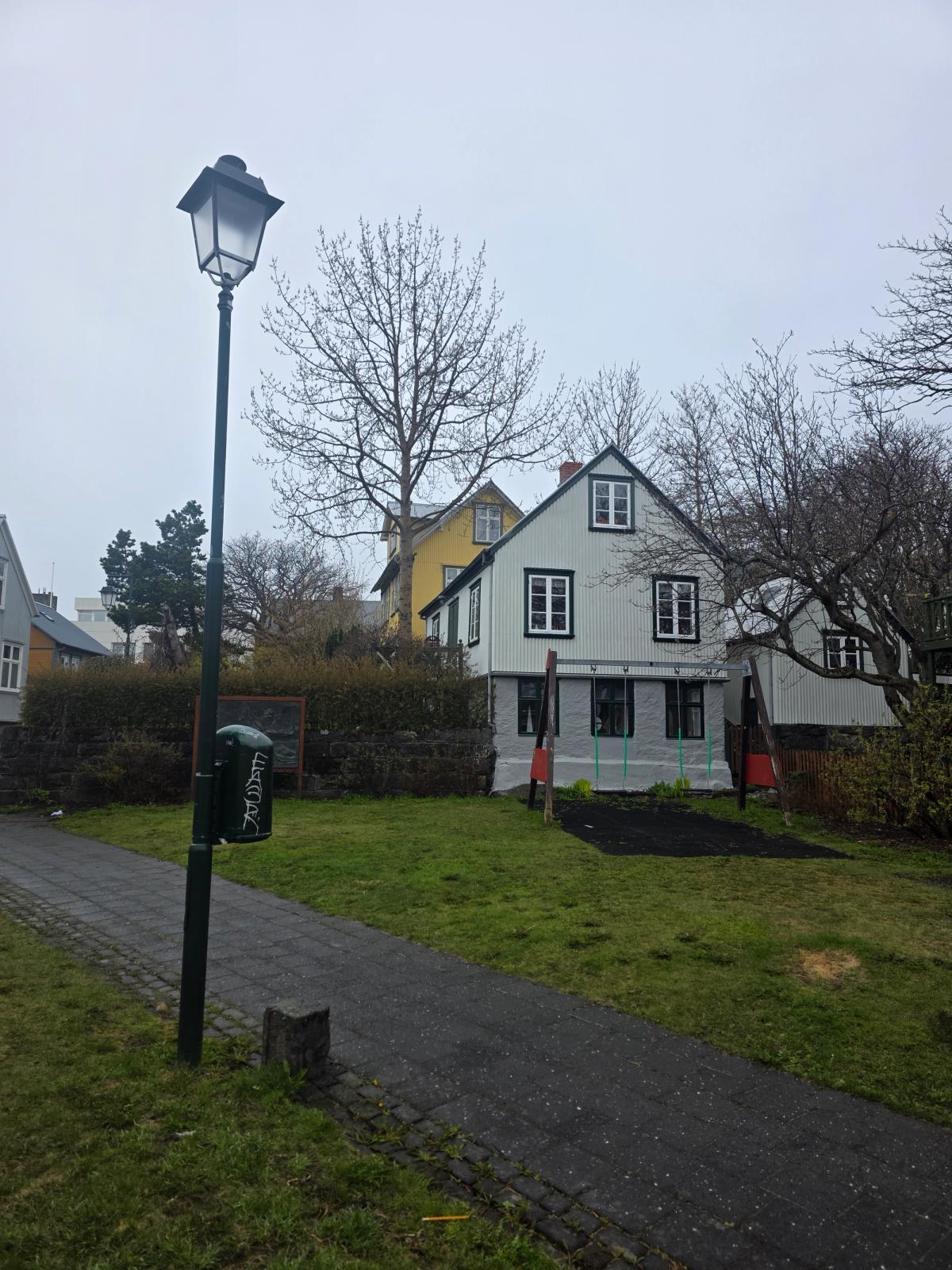
Grjótaþorpið, meaning "The Stone Village," is not a preserved village in the traditional sense, but rather the historical heart of Reykjavík, the very area where the capital city first took root. Located around the present-day Aðalstræti, near the old harbor and Tjörnin (the pond), this district was the earliest permanent settlement in Reykjavík. While most of the original turf houses and simple stone structures have long since given way to modern buildings, the essence of Grjótaþorpið endures in its street names, its historical markers, and the stories embedded in its ancient foundations. Exploring this area allows visitors to connect with the humble beginnings of Iceland's vibrant capital. Look for the oldest surviving buildings, like those on Aðalstræti, which offer a glimpse into 18th and 19th-century life. Wander near the harbor, where the fishing heritage that sustained the early community is still palpable. Imagine the settlers, their lives intertwined with the sea, carving out an existence in this rugged yet beautiful land. This is a place for reflection, for understanding the deep roots of Icelandic culture, and for appreciating the journey from a small fishing hamlet to a modern European capital. Allow yourself to wander, absorb the atmosphere, and let the whispers of history guide you.
🐉 The Hidden People of Grjótaþorpið
Locals whisper tales of the "Huldufólk," or hidden people, who once resided among the stones and turf houses of Grjótaþorpið. It's said they were benevolent guardians, sometimes offering subtle help to the early settlers, provided their homes and sacred rocks were left undisturbed. Disturbing their dwellings was believed to bring misfortune, a subtle reminder for respectful coexistence with nature.
📖 History of Grjótaþorpið
Grjótaþorpið traces its origins back to the earliest days of Reykjavík's settlement. While the precise date of permanent settlement is debated, archaeological evidence suggests continuous habitation in this area from the Viking Age. The name "Grjótaþorpið" itself, meaning "The Stone Village," likely refers to the prevalence of stone foundations and some early stone buildings interspersed with the more common turf houses that characterized the settlement for centuries. This area, strategically located between the fishing grounds of the bay and the freshwater of Tjörnin, became the focal point for the developing community. In the 18th century, with the initiatives of Skúli Magnússon, known as the "Father of Reykjavík," the area saw increased development, transforming from a scattered collection of farms into a more organized trading and industrial center. The first permanent houses and workshops were established here, laying the groundwork for Reykjavík's future as a town. Despite subsequent modernization and the loss of many original structures, Grjótaþorpið remains historically significant as the cradle of the capital, preserving the memory of the resilient pioneers who shaped Iceland's urban destiny.
✈️ Why Visit
Connect with the foundational spirit of Reykjavík and imagine its humble, yet powerful, beginnings.
💡 Did You Know?
The name Grjótaþorpið literally means "The Stone Village," referring to the early stone and turf houses that once dominated the area.
🕐 Best Time
Morning or late afternoon for quieter exploration.
🚗 Access
Easily accessible on foot from downtown Reykjavík. Paved roads throughout.
⏱ Duration
1–2 hours
📍 GPS Location
Explore Tours Near Grjótaþorpið
Find guided tours, day trips and activities. Compare prices and book instantly with free cancellation.