Dyrholaey
Dyrhólaey is a small rocky peninsula and nature reserve on Iceland's South Coast, famous for its arch — large enough that small planes have famously flown throu…
About
About Dyrholaey
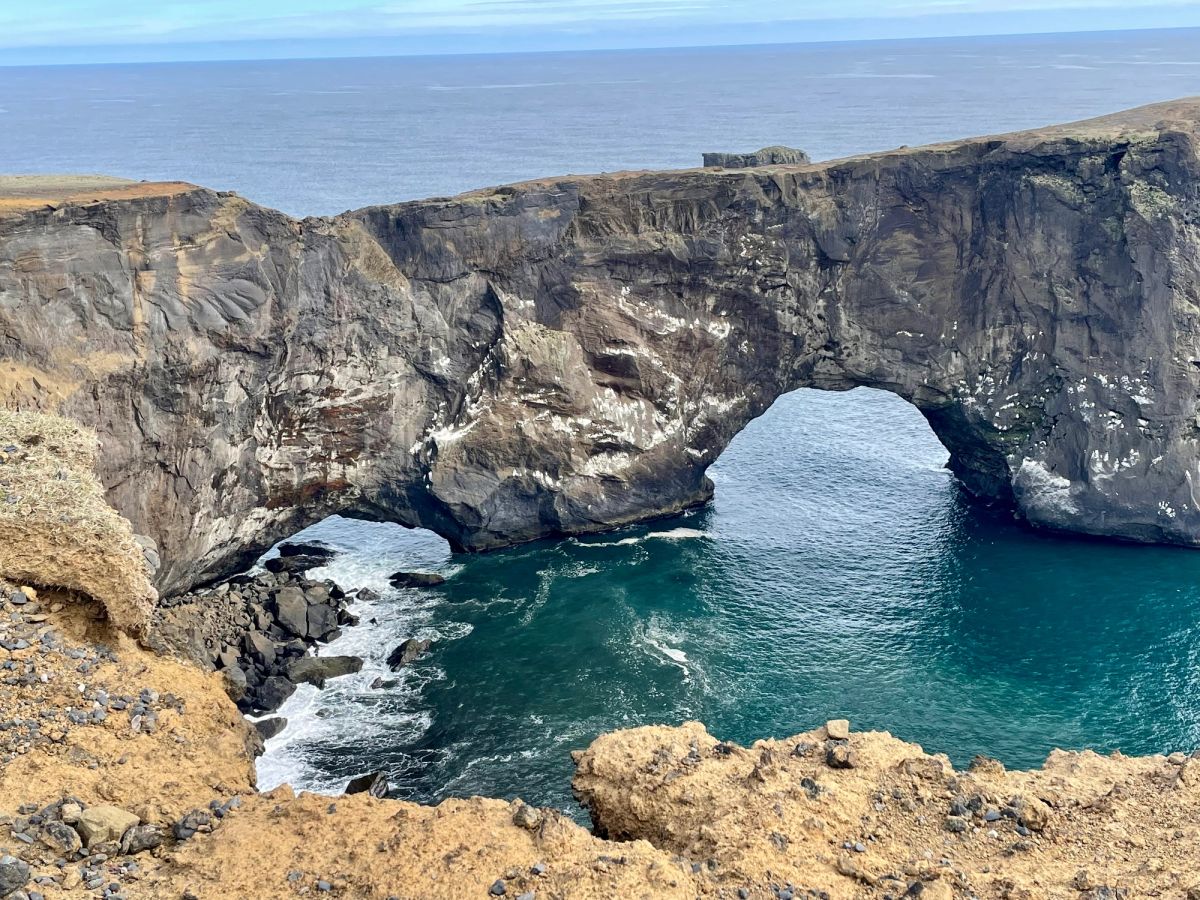
Dyrhólaey is a small rocky peninsula and nature reserve on Iceland's South Coast, famous for its arch — large enough that small planes have famously flown through it — and as one of the best puffin-watching locations in Iceland.
Excellent puffin viewing location during summer months
Photos
Photo Gallery
Background
History & Background
The name Dyrhólaey means 'Door Hill Island' referring to the massive sea arch cut through the volcanic rock promontory. The arch stands about 120 meters tall and was formed by wave erosion over millions of years. The site is a protected nature reserve and puffins nest in the cliffs from May to August each year. The lighthouse at the top of Dyrhólaey was built in 1910 and still operates today.
Dyrholaey is one of the most interesting natural attractions in south-iceland of Iceland.
Folklore
Story & Folklore
Dyrhólaey — 'The Hill that Has a Doorway' — is a volcanic headland southwest of Vík with a natural stone arch large enough to fly a small aircraft through, which Icelandic pilots famously used to do. The cliff is Iceland's southernmost point and hosts some of the country's largest puffin colonies in summer. The view from the lighthouse on top encompasses the entire South Coast — Reynisfjara beach, the Reynisdrangar sea stacks, Mýrdalsjökull glacier and on clear days, the Katla caldera beyond. The headland closes mid-May through mid-June during nesting season to protect the birds.
💡 Did You Know?
The name means 'door hill island' because of the massive rock arch large enough for boats
Local Legend
Legends of Dyrholaey
Dyrholaey has been part of Icelandic folklore for generations. Local tales speak of hidden people (huldufólk) and other supernatural beings who inhabit the area. According to tradition, this place deserves respect and visitors should be mindful of the ancient spirits who call it home.
Culture
Stories & Legends
Icelandic sagas and folklore from this area
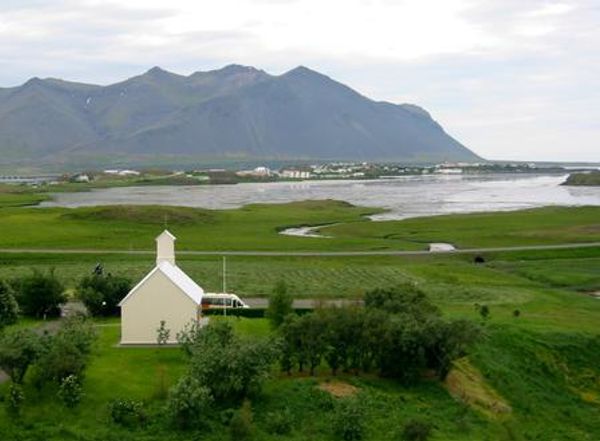
Dyrhólmar
Dyrhólmar is a historic location in Iceland mentioned in "Grettis saga", one of the ancient Íslendingasögur (Sagas of Icelanders). These medieval narratives preserve the history of Iceland's Viking Age settlement.
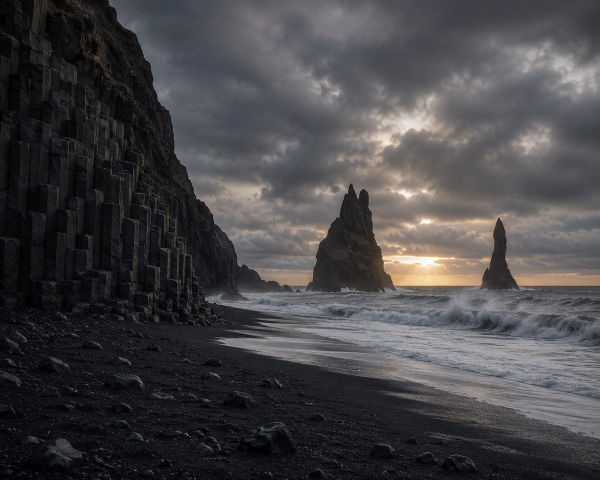
Reynisdrangar – Trolls Turned to Stone
The Reynisdrangar sea stacks off the coast of Iceland are said to be petrified trolls caught by the rising sun.
Explore
Hidden Gems Nearby
✦ Off-Peak Visit
Visit Dyrholaey during shoulder season (May or September) for a perfect balance of access and solitude.
You'll experience the site without summer crowds while still having good weather and daylight.
✦ Local Flora
Look for the native Icelandic plants growing in the area — Arctic thyme, moss campion, and various lichens.
These resilient plants have adapted to survive harsh conditions and add subtle beauty to the landscape.
✦ Changing Light
Dyrholaey looks dramatically different depending on the time of day and weather conditions.
Cloud shadows, rain showers, and low-angle sunlight can transform the landscape within minutes — Iceland's famous "four seasons in one day."
Help
Frequently Asked Questions
Location
📍 Location
Discover
Explore Nearby
Places from our database within 1.0 km — all data from Sanity
Loading nearby places…
0 places found within 1.0 km
Plan full itinerary →Explore More