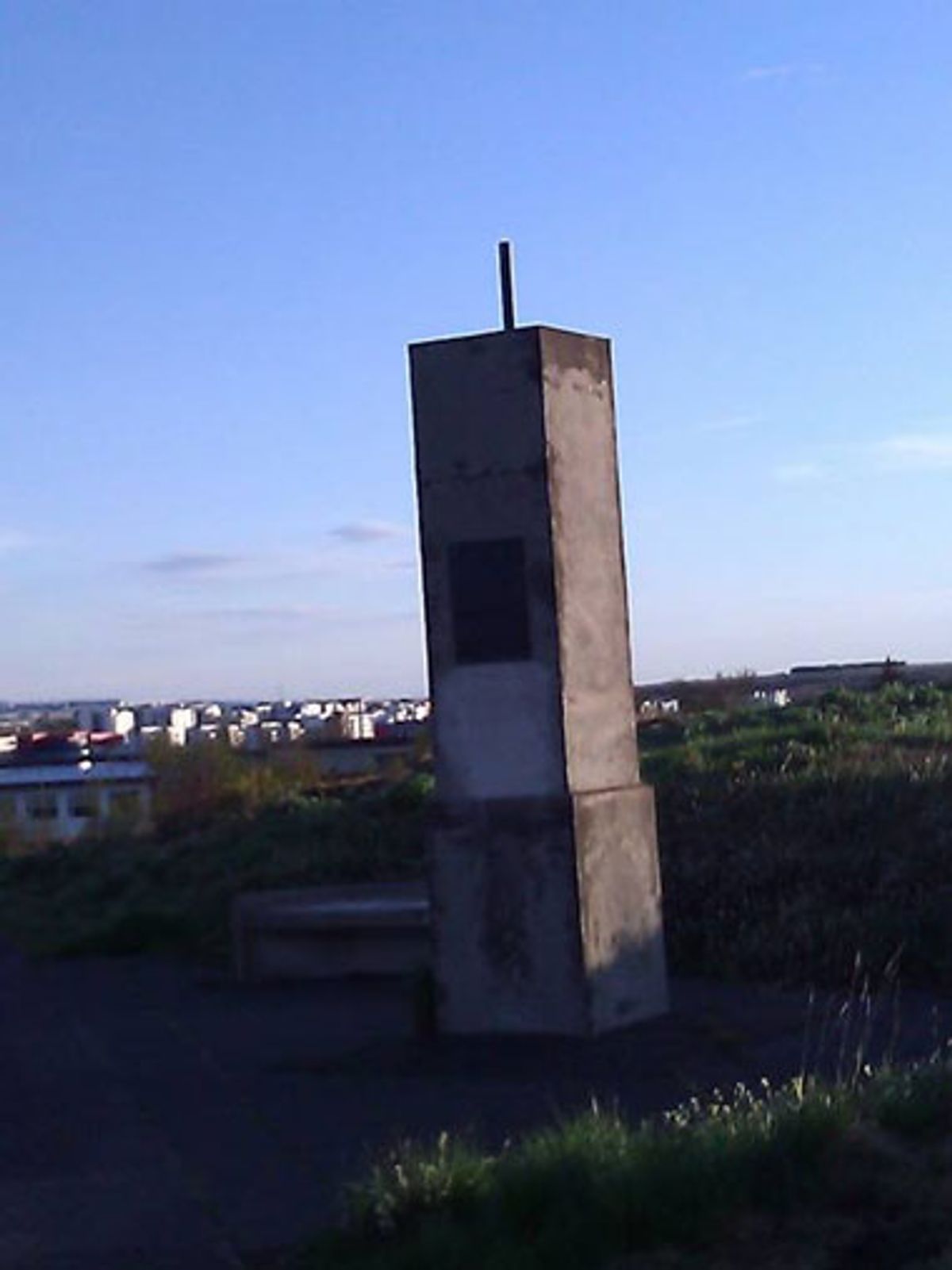
Wegener Pillar — Arnarnes
A 1930 survey pillar on Arnarneshæð linked to Alfred Wegener and early measurements connected with continental drift.
About
About Wegener Pillar — Arnarnes
A 1930 survey pillar on Arnarneshæð linked to Alfred Wegener and early measurements connected with continental drift.
See an unusual piece of scientific history tied directly to Alfred Wegener and the development of continental-drift theory.
Photos
Photo Gallery
Background
History & Background
The Wegener Pillar (Wegener-stöpullinn) is dedicated to Alfred Wegener (1880–1930), a German meteorologist, geophysicist, and polar researcher. Wegener is most famous for his theory of continental drift, which he first published in 1912. His hypothesis proposed that the continents were once joined together in a supercontinent called Pangaea and have since drifted apart. His theory was initially met with considerable resistance and skepticism from the scientific community, primarily because he could not provide a mechanism for how the continents moved. However, decades after his death, new evidence from ocean floor mapping, paleomagnetism, and seismic activity led to the development of plate tectonics, which validated and expanded upon Wegener's original ideas. The pillar in Iceland serves as a memorial to his enduring legacy and his connection to the geologically active North Atlantic region, where the Mid-Atlantic Ridge visibly demonstrates plate separation.
The Wegener Pillar stands by Hegranes on Arnarneshæð in Garðabær. Alfred Wegener erected the concrete pillar in April 1930; a corresponding pillar was also built in Öskjuhlíð. The Arnarnes pillar is a little over three metres high and has historical value as a tangible reminder of early geodetic work connected with Wegener’s continental-drift research. Garðabær has preserved the monument and added visitor information around it.
💡 Did You Know?
Alfred Wegener erected the Arnarnes pillar in April 1930; another related survey pillar was built in Öskjuhlíð.
Culture
Stories & Legends
Icelandic sagas and folklore from this area
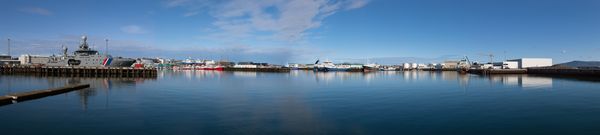
Reykjavík
Reykjavík is a historic location in Iceland mentioned in "Harðar saga og Hólmverja", one of the ancient Íslendingasögur (Sagas of Icelanders). These medieval narratives preserve the history of Iceland's Viking Age settlement.
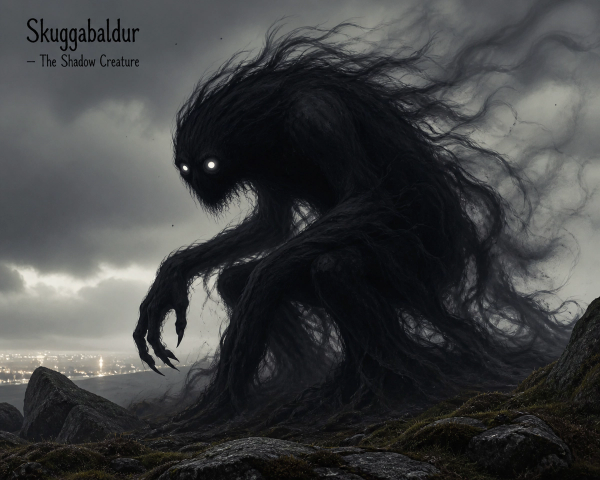
Skuggabaldur – The Shadow Creature
Skuggabaldur: A phantom dog guarding forgotten paths.
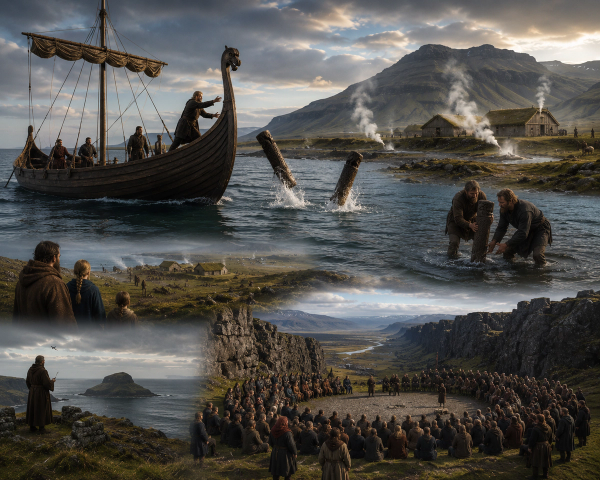
The Settlement of Iceland – Land of Fire and Freedom
Iceland: Land of Fire and Freedom, forged by Vikings and volcanic might.
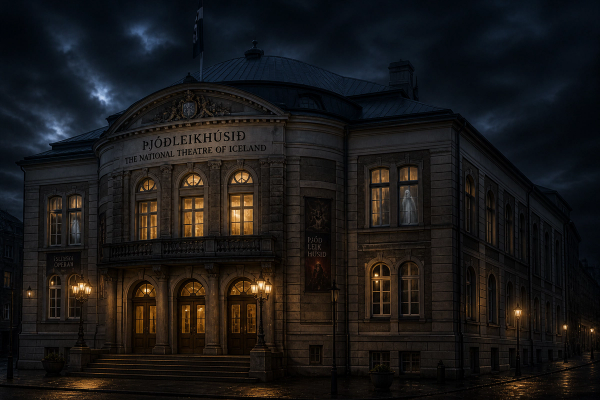
National Theatre of Iceland
Staff and performers have reported unexplained sounds, flickering lights and ghostly presences in the backstage areas and upper floors of this early 20th century building.
Explore
Hidden Gems Nearby
✦ Öskjuhlíð Hill
The hill on which the pillar stands offers lovely walking paths and stunning 360-degree views of Reykjavík, the bay, and surrounding mountains.
It's a beautiful urban green space perfect for a stroll and offers great photo opportunities.
✦ Perlan
A distinctive glass-domed building nearby, housing a nature exhibition, observation deck, and restaurant, built atop hot water tanks.
Offers an immersive experience into Iceland's natural wonders and provides spectacular city views.
✦ Nauthólsvík Geothermal Beach
A unique beach where cold ocean water is mixed with hot geothermal water, creating a warm lagoon suitable for swimming year-round.
Experience a unique blend of Icelandic nature and geothermal energy, perfect for a relaxing dip.
Help
Frequently Asked Questions
Location
📍 Location
Discover
Explore Nearby
Places from our database within 1.0 km — all data from Sanity
Loading nearby places…
0 places found within 1.0 km
Plan full itinerary →Explore More