
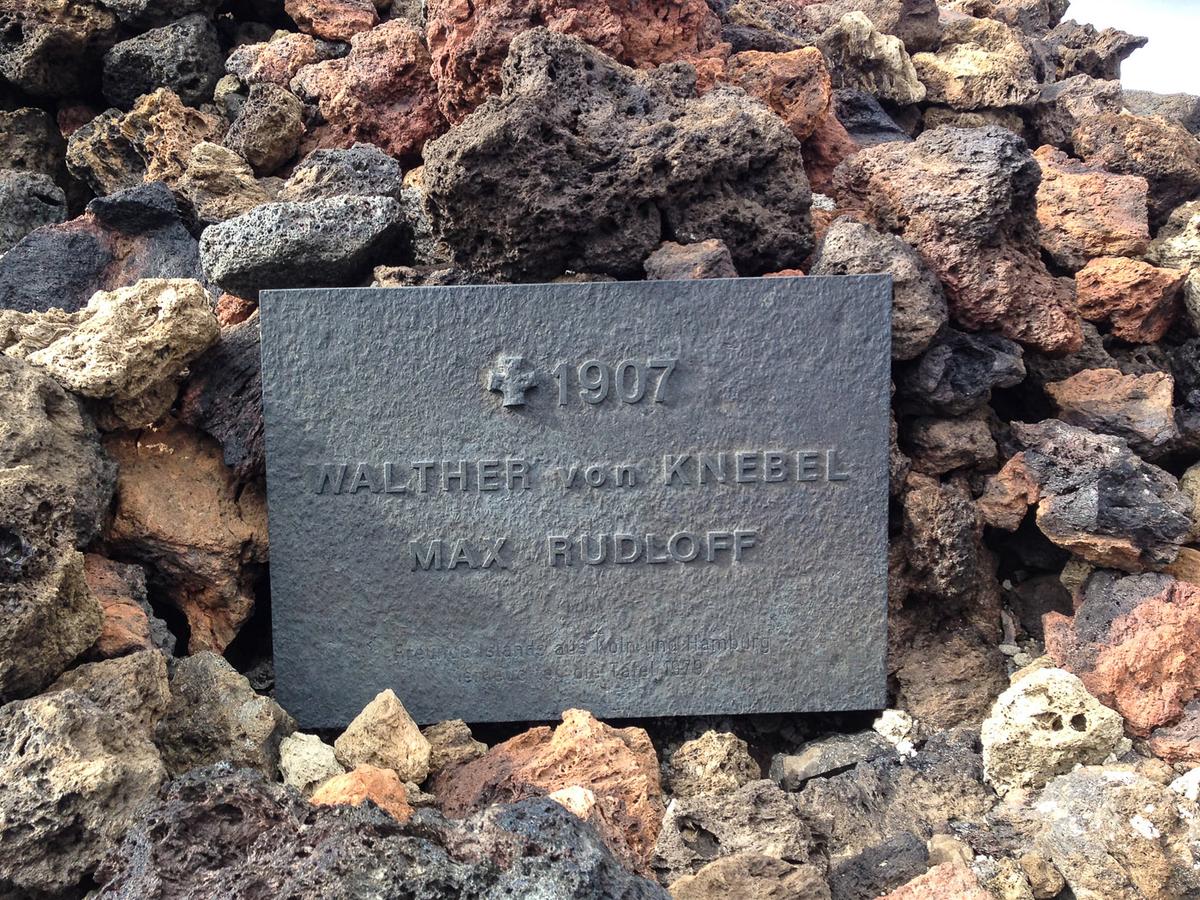
Walter von Knebel and Max Rudloff
A rugged memorial in North Iceland honoring two German explorers who tragically perished in 1907.
について
Walter von Knebel and Max Rudloffについて
A rugged memorial in North Iceland honoring two German explorers who tragically perished in 1907.
Walter von Knebel and Max Rudloffへレンタカーで
車で訪れる予定ですか?地域に合う車種を比較し、旅行日程に応じた実際のレンタカー料金を確認できます。
ここでリアルタイムの空車を検索
重要:4WD/AWD であっても Fロードの走行が許可されるとは限りません。正確なルート、車両、レンタル契約をレンタカー会社にご確認ください。4WD でも閉鎖道路や渡河が禁止されている場合があります。
車種は提案であり、リアルタイムの料金や在庫ではありません。GoIceTravelは追加費用なしで紹介料を受け取る場合があります。
写真
ギャラリー
背景
歴史と背景
Walther von Knebel, a German geologist, and Max Rudloff, a German photographer, undertook an important scientific expedition to Iceland in 1907. Their aim was to study the island's unique geology, particularly its volcanic features and glacial rivers, and to document these landscapes through photography. Their work was considered groundbreaking for its time, contributing significantly to the understanding of Iceland's natural environment. The expedition, however, met with a tragic end. While exploring the area around the Jökulsá á Fjöllum river in North Iceland, near what is now known as Dettifoss, both Knebel and Rudloff drowned. The powerful, unpredictable currents of the glacial river proved too formidable, and their lives were lost in the pursuit of scientific discovery. Their deaths were a somber reminder of the unforgiving nature of the Icelandic wilderness. Decades later, in 1979, a memorial was erected in their honor by Georg Klaus from Cologne and Hamburg. This simple, yet profound, stone plaque, nestled within the volcanic rocks, serves as a lasting tribute to their legacy, commemorating their pioneering spirit and their ultimate sacrifice in the name of exploration and science.
The Walther von Knebel and Max Rudloff memorial is a powerful, yet understated, tribute located amidst the dramatic volcanic landscapes of North Iceland, close to the mighty Dettifoss waterfall. The memorial itself is a dark grey stone plaque, deeply carved with the names of the two German explorers, the year 1907, and a small cross, signifying their passing. It is thoughtfully embedded within a natural mound of varied volcanic rocks—ranging from deep black basalt to reddish-brown scoria and lighter, porous pumice—mirroring the very geology Knebel sought to understand. This setting emphasizes the raw, untamed nature of Iceland that claimed their lives. Walther von Knebel was a distinguished geologist, and Max Rudloff was a talented photographer. Together, they explored Iceland in 1907, meticulously documenting its unique geological formations and capturing its stark beauty through their lenses. Their work was pioneering, providing valuable insights into the island's volcanic origins and landscapes. Their tragic drowning in the Jökulsá á Fjöllum river serves as a stark reminder of the challenges and dangers inherent in exploring such a wild frontier. Visiting this memorial offers a moment of quiet contemplation, allowing one to reflect on the courage of early explorers and the enduring power of nature. It's not just a plaque; it's a silent sentinel, surrounded by the very elements that define Iceland's rugged allure.
民話
物語と民話
In the summer of 1907, the German geologist Walther von Knebel and photographer Max Rudloff embarked on an ambitious expedition to Iceland, seeking to unravel its volcanic mysteries. Their journey led them to the formidable Jökulsá á Fjöllum river, a glacial torrent carving its way through the rugged northern landscape. It was here, near the colossal Dettifoss waterfall, that fate intervened. While attempting to cross or survey the treacherous waters, both men tragically drowned, succumbing to the river's immense power. Their loss was a significant blow to the scientific community, but their contributions to Icelandic geology and photography remain. Decades later, in 1979, a fellow countryman, Georg Klaus, erected this humble stone memorial amidst the very rocks they once studied, a silent tribute to their pioneering spirit and ultimate sacrifice.
場所
場所
もっと探索