Þykkvabæjarklausturkirkja
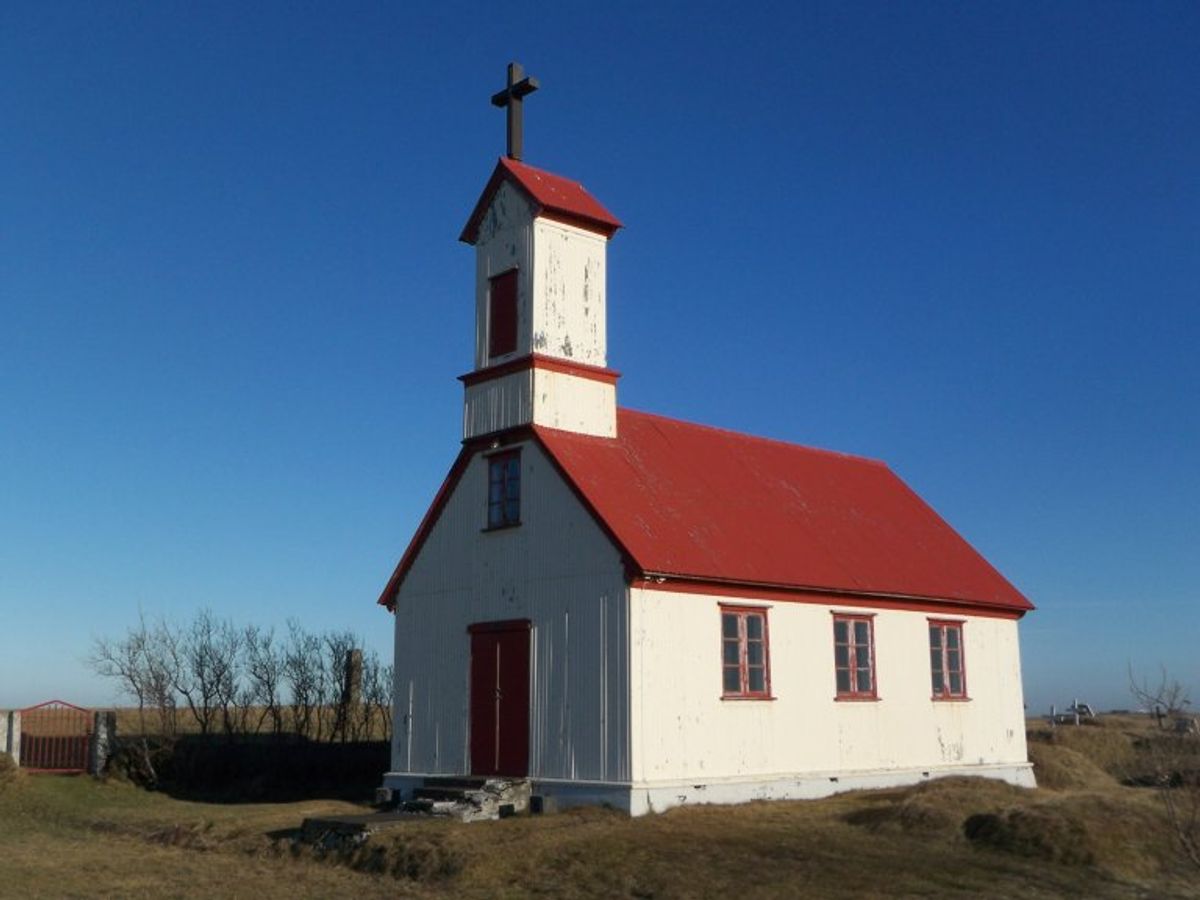
1864 timber church on the historic Þykkvabæjarklaustur monastery site in Álftaver.
About
About Þykkvabæjarklausturkirkja
1864 timber church on the historic Þykkvabæjarklaustur monastery site in Álftaver.
Experience a unique piece of Icelandic religious history, beautifully preserved and set in a tranquil landscape.
Photos
Photo Gallery
Background
History & Background
The history of Þykkvabæjarklausturkirkja is deeply intertwined with the monastic life that once flourished at this location. Þykkvabær í Veri was transformed into Þykkvabæjarklaustur monastery in 1168, quickly gaining renown as “one of the most influential monasteries in the Catholic tradition, both domestically and internationally.” This period marked a significant era for religious and cultural development in Iceland. The current church building was erected and consecrated in 1864, long after the monastic era. It is constructed from timber, notably hand-processed from driftwood collected from the monastery's own shores, a testament to the ingenuity and resourcefulness of its builders. The church's roof is cross-gabled, featuring a tall, rectangular tower that adds to its distinctive silhouette. Architecturally, the church is clad in corrugated iron over its timber frame, resting on a foundation of stone and concrete. Each long side of the church features three windows with central mullions and three-pane frames, with a slightly smaller window adorning the front gable above the main doors. Reflecting its historical and architectural value, the church was protected in 1990 under the age provisions of national heritage laws, ensuring its preservation for future generations.
Þykkvabæjarklausturkirkja stands at the site where an Augustinian monastery was founded in 1168. The present church was built and consecrated in 1864 and preserves the continuing religious use of the locality after the medieval monastery closed. The church and the broader monastery-site attraction are related but distinct records: this page describes the surviving church building. Visitors should respect services, cemetery areas and current access.
💡 Did You Know?
This church, built in 1864, uniquely incorporates hand-processed timber from driftwood found along the monastery's shores, giving it a truly local connection.
Explore
Hidden Gems Nearby
✦ Driftwood Origin
Look closely at the aged timber walls; much of this church was constructed from hand-processed driftwood, a unique testament to local resourcefulness and connection to the sea.
It highlights the ingenuity and sustainable practices of early Icelandic builders.
✦ The Red Gate
To the west of the church, a simple red gate stands, marking the entrance to the surrounding grounds and offering a charming, rustic photographic opportunity against the open landscape.
It frames the approach to the church and adds to the remote, pastoral charm of the site.
✦ Panoramic Sky Views
The isolated location provides unobstructed views of the vast Icelandic sky, perfect for observing dramatic cloud formations, migratory birds, or the ethereal glow of the midnight sun.
The church's setting offers a profound connection to Iceland's natural beauty and expansive vistas.
Help
Frequently Asked Questions
Location
📍 Location
Discover
Explore Nearby
Places from our database within 1.0 km — all data from Sanity
Loading nearby places…
0 places found within 1.0 km
Plan full itinerary →Explore More