Þjófárfoss
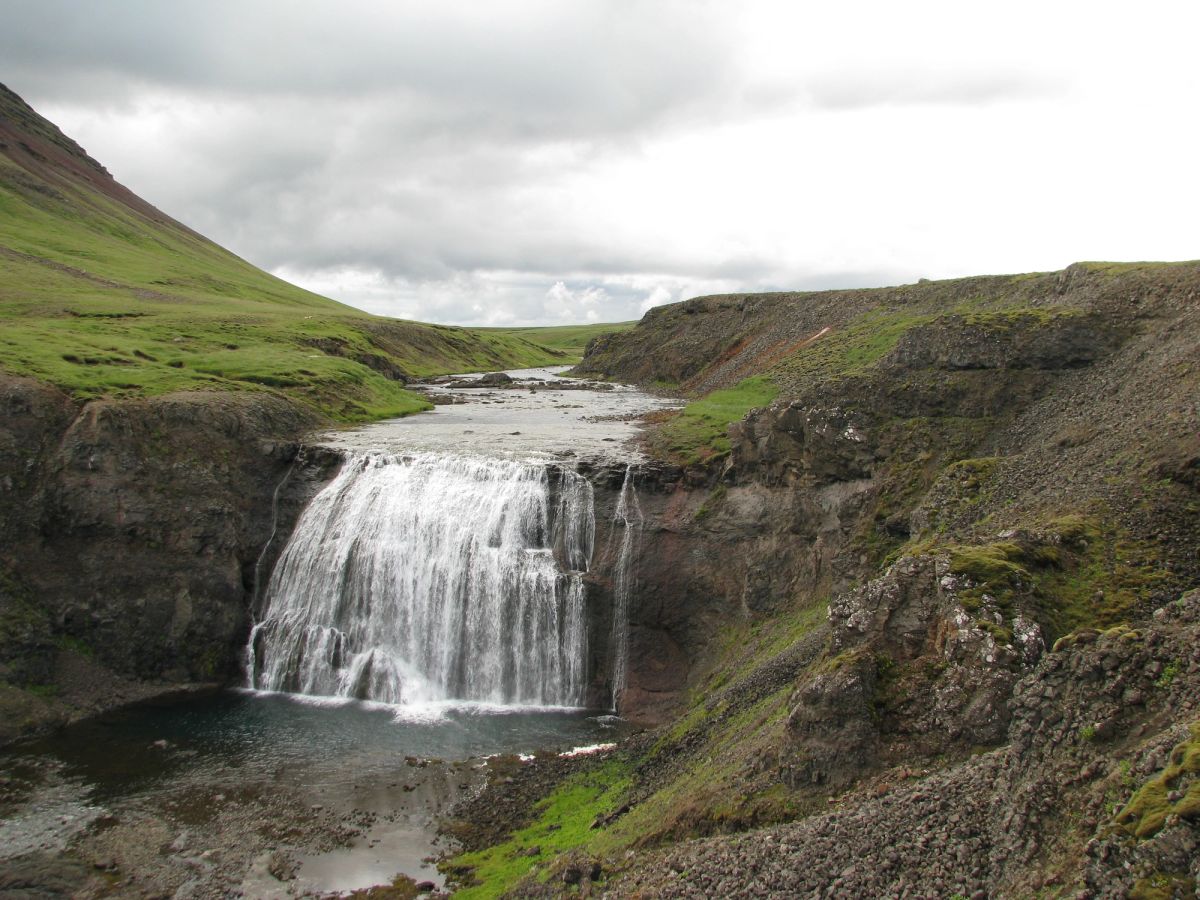
Remote waterfall on Þjófá associated with an 18th-century outlaw tradition.
At a Glance
Visit time
1-2 hours
Best season
Summer (June-August) for best accessibility and weather; Morning for photography.
Access
Accessible via a deep track starting near Reynifell. The track is mostly dirt with some large rocky sections, requiring a small 4x4 Jeep or SUV. Not suitable for standard cars.
GPS
63.7906, -19.9201
About
About Þjófárfoss
Remote waterfall on Þjófá associated with an 18th-century outlaw tradition.
Discover a powerful, scenic waterfall with a captivating history rooted in local folklore.
Photos
Photo Gallery
Background
History & Background
Þjófárfoss holds a name rich in local lore, translating to 'Thieves' Waterfall.' This moniker originates from a fascinating, albeit somber, chapter in Icelandic history. According to local accounts, two thieves found refuge in a cave near the waterfall, known as Þjófhellir (Thieves' Cave), during the years 1743-1744. Their time of hiding in this remote and rugged landscape eventually came to an end when they were apprehended and subsequently hanged at Þingskálaþing, a historical assembly site. The presence of human activity and habitation extends beyond the thieves' tale. Also in the vicinity is Þorleifsstaðahellir, a man-made cave situated east of the ruins near Fiská, close to a rock formation called Smali. This significant cave is described as quite large, featuring a constructed opening in its roof, and has been designated as a protected site, highlighting its historical and cultural importance to the region. These caves, alongside the powerful natural force of Þjófárfoss, serve as tangible links to Iceland's past, illustrating how the landscape provided both shelter and challenges for its inhabitants.
Þjófárfoss lies on the Þjófá in a remote South Iceland landscape. Local tradition links the area with two outlaws who hid in nearby Þjófhellir in the 18th century. Access is by rough tracks rather than a developed tourist road, and conditions can vary significantly. Travellers should confirm current access, use a suitable vehicle where required and avoid treating unmarked tracks as guaranteed public routes.
Folklore
Story & Folklore
Imagine a time when the remote corners of Iceland offered refuge to those on the run. In the mid-18th century, two desperate outlaws found their sanctuary near this very waterfall, in a hidden grotto known as Þjófhellir, or 'Thieves' Cave.' For a year, from 1743 to 1744, they lived off the land, the thunderous roar of Þjófárfoss their constant companion, masking their presence from the outside world. The waterfall, with its wide, powerful curtain of white water, served as a natural barrier and a source of sustenance in this rugged valley. But their freedom was fleeting. Eventually, they were captured and brought to justice at Þingskálaþing, their brief liberty ending under the harsh laws of the time. Today, as the water continues its timeless plunge, it whispers tales of those who sought refuge here, adding a layer of compelling human history to its already breathtaking natural grandeur.
💡 Did You Know?
Þjófárfoss translates to 'Thieves' Waterfall,' named after two outlaws who hid in a nearby cave in the 18th century.
Culture
Stories & Legends
Icelandic sagas and folklore from this area
Flosadalur
Flosadalur is a historic location in Iceland mentioned in "Njáls saga", one of the ancient Íslendingasögur (Sagas of Icelanders). These medieval narratives preserve the history of Iceland's Viking Age settlement.
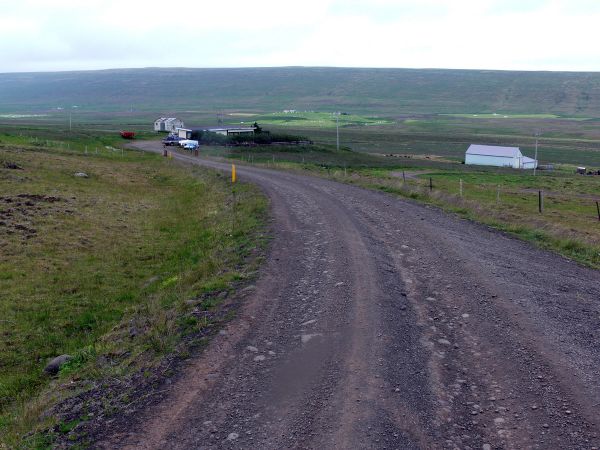
Hrappstaðir
Hrappstaðir is a historic location in Iceland mentioned in "Njáls saga", one of the ancient Íslendingasögur (Sagas of Icelanders). These medieval narratives preserve the history of Iceland's Viking Age settlement.
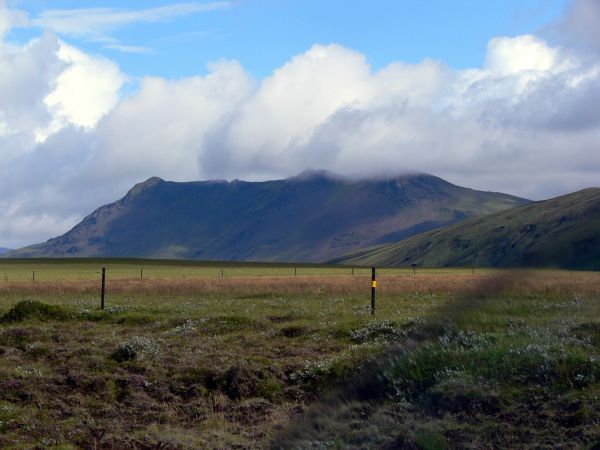
Þríhyrningur
Þríhyrningur: A lone peak, a triangle of mystery in the Icelandic landscape.
Explore
Hidden Gems Nearby
✦ Þjófhellir (Thieves' Cave)
This is the very cave where, according to local legend, two outlaws hid for a year in the mid-18th century. It offers a tangible connection to the compelling history of the waterfall's name.
It provides a direct link to the dramatic folklore behind Þjófárfoss, adding a layer of human history to the natural beauty.
✦ Þorleifsstaðahellir
Located east of the ruins near Fiská, this is a man-made cave, quite large, with a unique constructed opening in its roof. It is a protected site, reflecting its historical significance.
It's a rare example of an ancient man-made cave in the area, offering a glimpse into past human ingenuity and settlement.
Help
Frequently Asked Questions
Location
📍 Location
Discover
Explore Nearby
Places from our database within 1.0 km — all data from Sanity
Loading nearby places…
0 places found within 1.0 km
Plan full itinerary →Explore More