Stóru-Akrar
Explore a preserved 18th-century turf house at Stóru-Akrar, a unique glimpse into Icelandic heritage.
About
About Stóru-Akrar
Explore a preserved 18th-century turf house at Stóru-Akrar, a unique glimpse into Icelandic heritage.
Step back in time to experience a rare 18th-century Icelandic turf house and its fascinating history.
Photos
Photo Gallery
Background
History & Background
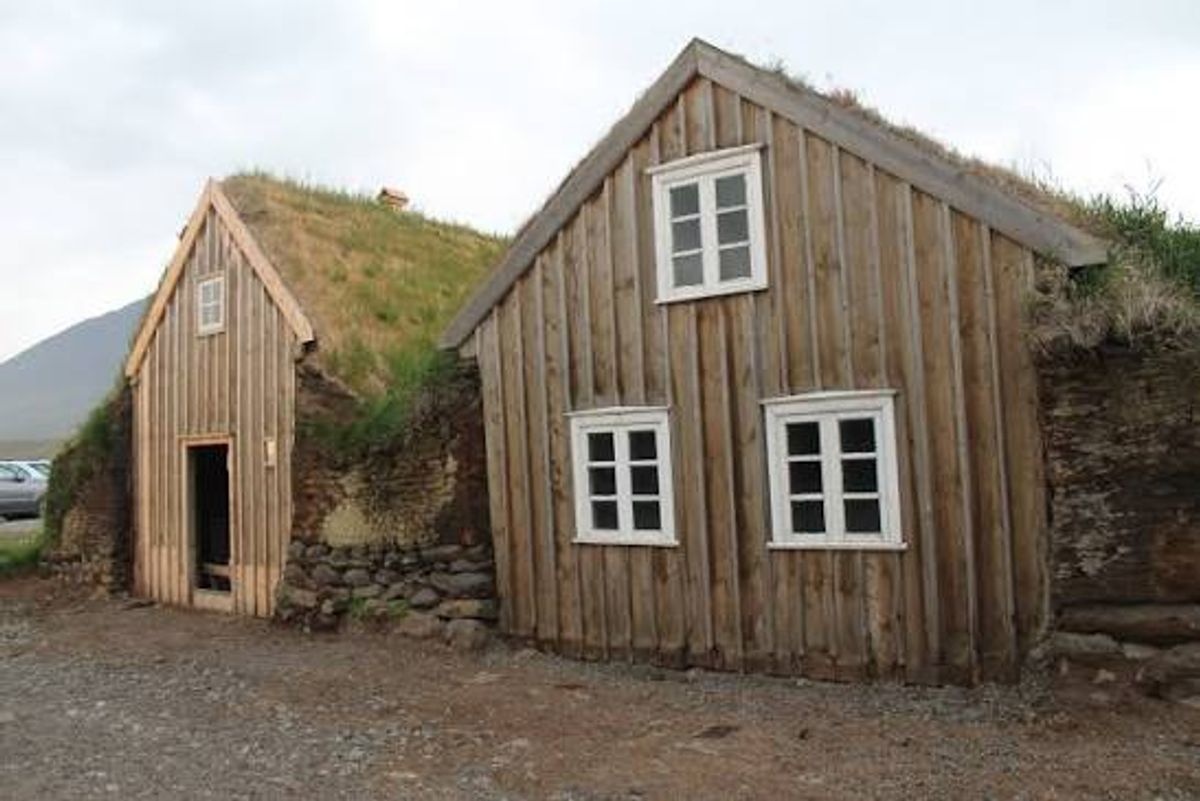
The historical significance of Stóru-Akrar primarily revolves around its turf house, a rare surviving example from the 18th century. This particular structure was commissioned by Skúli Magnússon, a notable figure in Icelandic history who served as the district commissioner (sýslumaður) for Skagafjörður and later as the Landfógeti (chief magistrate) of Iceland. The construction took place between 1743 and 1745, making it a valuable testament to the architectural and social practices of that era. The original design of the turf house was extensive, comprising distinct sections such as the main entrance (bæjardyr), a connecting passage (bæjargöng), and an assembly room (þingstofa). Its external dimensions were approximately 12 meters in length and 13.5 meters in width. The walls were traditionally built from turf, while the front gables of the entrance and the assembly room, along with a half-partition in the entrance loft, were clad with wooden planks, and the roofs were covered with turf, as seen in the photograph. Recognizing its unique heritage value, the building was officially protected on January 1, 1990, under an age-based preservation clause. Stóru-Akrar is considered a historically significant farm located in Blönduhlíð, providing a tangible link to Iceland's past and the lives of its inhabitants during the 18th century.
Stóru-Akrar, nestled in the scenic Blönduhlíð region of North Iceland, presents a remarkable opportunity to delve into the country's architectural and social history. The centerpiece is a well-preserved section of an 18th-century turf house, constructed between 1743 and 1745 under the direction of Skúli Magnússon, the district commissioner of Skagafjörður and later Landfógeti (chief magistrate). Visually, the structure is striking, featuring sturdy wooden gables with vertical planks, painted in a natural, rustic tone, contrasting sharply with the bright white frames of its multiple windows. The most iconic feature is its turf roof, thickly covered with grass and blending almost organically into the surrounding landscape, a testament to traditional Icelandic building techniques designed for insulation and resilience against the elements. The lower sections of the walls are crafted from stone and earth, providing a solid foundation for the turf and timber superstructure. The original turf house, measuring approximately 12 meters in length and 13.5 meters in width externally, was composed of a main entrance (bæjardyr), a passage (bæjargöng), and an assembly room (þingstofa). While not all parts are fully intact today, the visible section offers an authentic experience. The building was granted protected status on January 1, 1990, due to its age and historical significance. A visit to Stóru-Akrar allows one to appreciate the ingenuity of Icelandic builders and gain insight into the daily lives and communal structures of past generations, set against a backdrop of tranquil Icelandic scenery.
Folklore
Story & Folklore
Imagine standing before the turf houses of Stóru-Akrar, their grass roofs blending seamlessly with the rolling hills. The weathered wooden gables, a rich, earthy brown, frame simple white windows that have looked out over centuries of Icelandic life. Step through the sturdy doorway of the structure, originally part of a larger 18th-century farmstead, and feel the cool, quiet embrace of history. This was once the domain of Skúli Magnússon, a prominent figure, and these walls, built from turf and stone, witnessed the daily routines, the harsh winters, and the resilient spirit of those who called this remote land home. The air here seems to whisper tales of the past, of settlers tending their sheep, of communal gatherings in the þingstofa (assembly room), and of a way of life deeply connected to the land. It’s a profound connection to Iceland’s heritage, tangible and real.
💡 Did You Know?
Did you know this part of the Stóru-Akrar turf house was built between 1743-1745 by Skúli Magnússon, an important district commissioner?
Culture
Stories & Legends
Icelandic sagas and folklore from this area
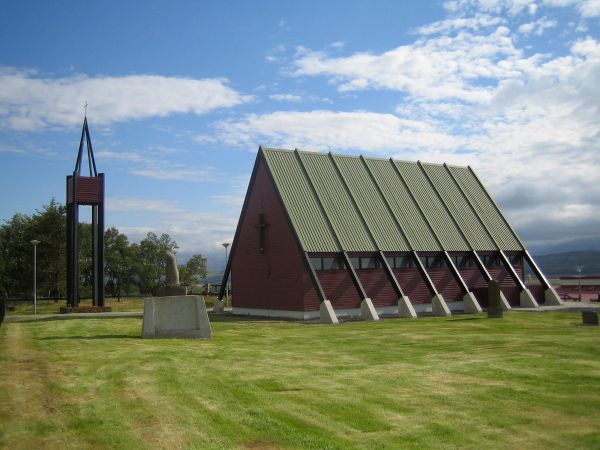
Miklibær
Miklibær is a historic location in Iceland mentioned in "Ljósvetninga saga", one of the ancient Íslendingasögur (Sagas of Icelanders). These medieval narratives preserve the history of Iceland's Viking Age settlement.
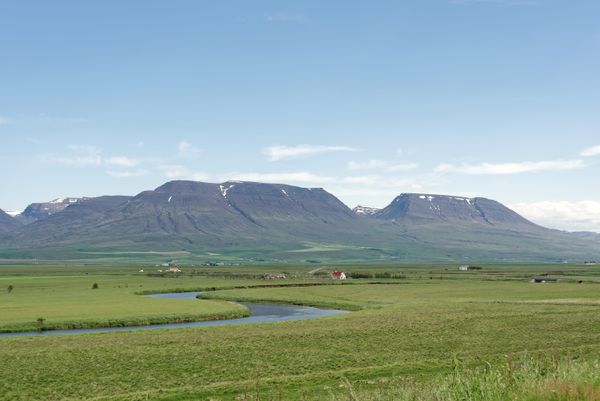
Skagafjörður
Skagafjörður is a historic location in Iceland mentioned in "Finnboga saga ramma", one of the ancient Íslendingasögur (Sagas of Icelanders). These medieval narratives preserve the history of Iceland's Viking Age settlement.
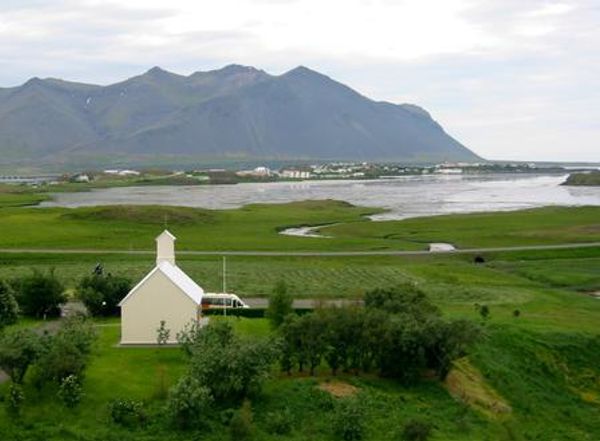
Vallalaug
Vallalaug is a historic location in Iceland mentioned in "Ljósvetninga saga", one of the ancient Íslendingasögur (Sagas of Icelanders). These medieval narratives preserve the history of Iceland's Viking Age settlement.
Explore
Hidden Gems Nearby
✦ Blönduhlíð Scenic Route
The turf house is situated in the beautiful Blönduhlíð region, known for its rolling hills and serene landscapes. A drive through this area offers picturesque views and a sense of peaceful Icelandic countryside.
It provides a stunning natural backdrop and complements the historical visit with scenic beauty.
Help
Frequently Asked Questions
Location
📍 Location
Discover
Explore Nearby
Places from our database within 1.0 km — all data from Sanity
Loading nearby places…
0 places found within 1.0 km
Plan full itinerary →Explore More