
Staðastaðarkirkja
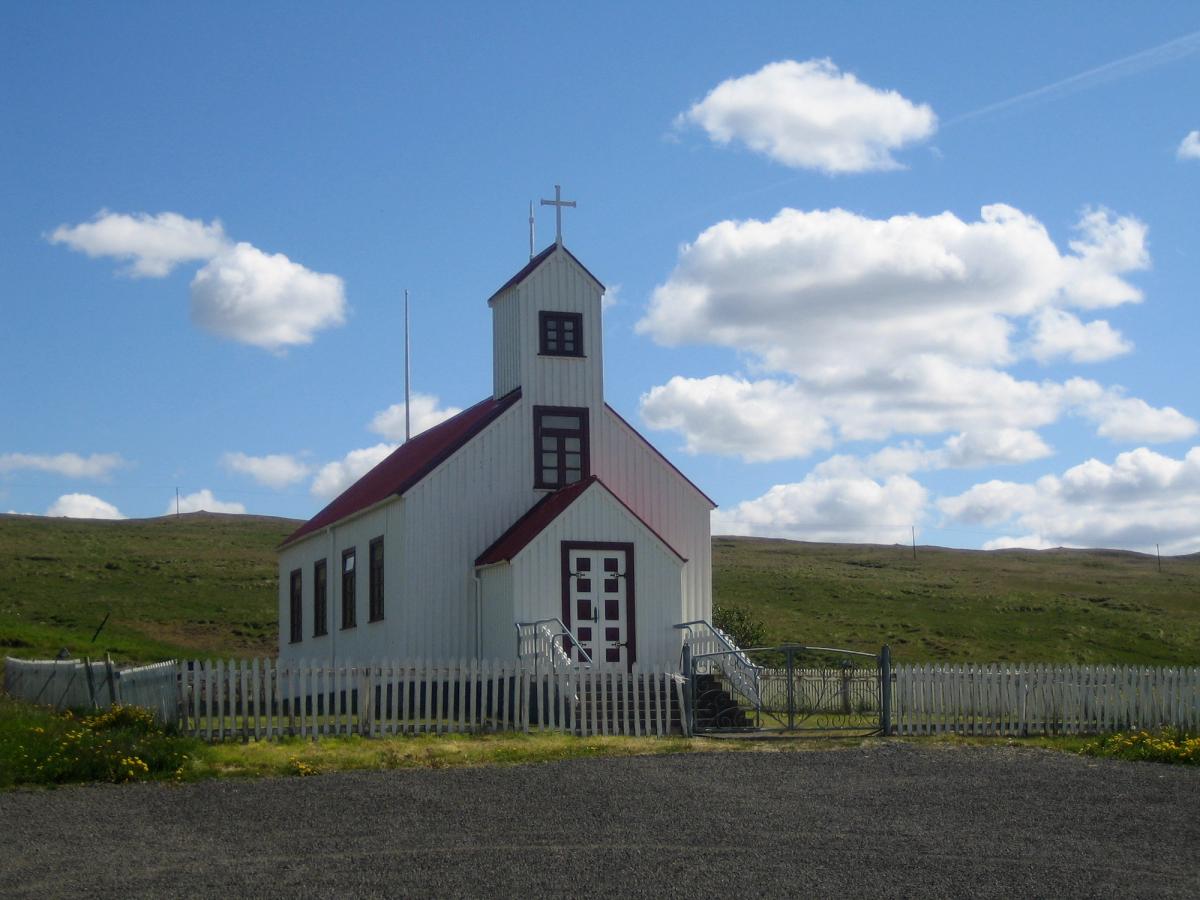
Staðastaðarkirkja, a historic white church with a red roof, stands serenely amidst green hills on Snæfellsnes, steeped in Icelandic sagas and literary lore.
について
Staðastaðarkirkjaについて
Staðastaðarkirkja, a historic white church with a red roof, stands serenely amidst green hills on Snæfellsnes, steeped in Icelandic sagas and literary lore.
Staðastaðarkirkja近くのツアー

Buggy tours around Snæfellsjökull. 2 hour tour
Glacier Paradise · 2 hours 30 minutes

Buggy tours around Snæfellsjökull. 1 hour tour
Glacier Paradise · 1 hour

Into The Glacier - With Snowmobiling From Húsafell
Arctic Adventures · 4 hours 30 minutes

Private Farm Visit & Silver Circle Day Tour in West Iceland
Rest in the West · 12 hours
Staðastaðarkirkjaへレンタカーで
車で訪れる予定ですか?地域に合う車種を比較し、旅行日程に応じた実際のレンタカー料金を確認できます。
ここでリアルタイムの空車を検索
車種は提案であり、リアルタイムの料金や在庫ではありません。GoIceTravelは追加費用なしで紹介料を受け取る場合があります。
写真
ギャラリー
背景
歴史と背景
Staðastaðarkirkja is not merely a place of worship but a cornerstone of Icelandic cultural and religious heritage, deeply embedded in the history of the Snæfellsnes peninsula. The site of Staðarstaður has long been been a significant church and parsonage, playing a vital role in the spiritual life of the community for centuries. Its historical roots stretch back to the very foundations of Icelandic saga writing. Most notably, Staðarstaður is widely believed to have been the residence of Ari fróði (Ari the Wise), who lived in the 11th and 12th centuries. He is revered as the "father of Icelandic sagas" for his pioneering work in chronicling Iceland's history and sagas, laying the groundwork for the rich literary tradition for which the nation is famous. A memorial by sculptor Ragnar Kjartansson stands as a tribute to his profound influence. In more recent times, from 1868 to 1945, Reverend Kjartan Kjartansson served as the priest at Staðarstaður. His life and character are widely considered to have inspired the iconic figure of Reverend Jón prímus in Nobel laureate Halldór Laxness's masterpiece, "Kristnihald undir Jökli", further cementing the church's place in Icelandic literary lore. The church's history also intertwines with the democratic decision at Alþingi in 1000 AD, when Iceland officially adopted Christianity. Like many Icelandic churches, Staðastaðarkirkja represents a continuous link to this ancient past, evolving through centuries while maintaining its role as a spiritual and cultural beacon. Its simple, traditional Icelandic architectural style—a white wooden structure with a red roof—reflects the enduring design principles seen in many of the nation's historic churches.
Staðastaðarkirkja, a charming and historically rich church, stands proudly in the picturesque landscape of West Iceland, specifically on the Snæfellsnes peninsula. This white wooden church, distinguished by its vibrant red roof and steeple crowned with a simple cross, offers a striking visual contrast against the backdrop of rolling green hills and the expansive blue sky dotted with fluffy white clouds. The church grounds are neatly enclosed by a classic white picket fence, adding to its idyllic charm, with a dark gravel path leading up to its welcoming entrance. Beyond its aesthetic appeal, Staðastaðarkirkja is a site of profound historical and literary significance. It is widely believed to have been the home of Ari fróði (Ari the Wise), the pioneering figure often called the "father of Icelandic sagas" for his foundational contributions to Icelandic historical writing. A monument dedicated to him, crafted by sculptor Ragnar Kjartansson, stands nearby, honoring his legacy. The church also holds a unique connection to modern Icelandic literature; from 1868 to 1945, Reverend Kjartan Kjartansson served here, reportedly becoming the inspiration for the character of Reverend Jón prímus in Halldór Laxness's acclaimed novel, "Kristnihald undir Jökli" (Under the Glacier). Furthermore, the area is steeped in captivating Icelandic folklore. According to local sagas, the infamous sorcerer Galdra-Loftur met his dramatic end at Staðarstaður. The legend tells of him borrowing a boat, rowing out to sea, and vanishing without a trace, purportedly pulled into the depths by a mysterious grey and hairy hand. This blend of historical fact, literary inspiration, and ancient myth makes a visit to Staðastaðarkirkja a deeply enriching experience, offering insights into Iceland's spiritual journey, its rich storytelling tradition, and the enduring power of its natural beauty.
民話
物語と民話
Imagine standing before Staðastaðarkirkja, its crisp white timber and vibrant red roof a beacon against the vast blue sky and emerald hills. The gentle breeze rustles through the grass, perhaps carrying whispers of the past. It was here, on this very ground, that Ari fróði, the revered father of Icelandic sagas, is believed to have lived, his mind shaping the narratives that define a nation. Later, another reverend, Kjartan Kjartansson, walked these paths, his life inspiring the unforgettable Jón prímus in Halldór Laxness’s masterpiece, "Kristnihald undir Jökli." As you gaze at the sturdy white picket fence and the simple, elegant cross atop the steeple, the air feels thick with stories – not just of faith and literature, but also of darker tales. The legend of Galdra-Loftur, the sorcerer dragged into the ocean by a mysterious grey hand, adds a thrilling layer to the peaceful facade, reminding visitors of the deep, often mystical, roots of Icelandic folklore that permeate this sacred place.
場所
場所
もっと探索