
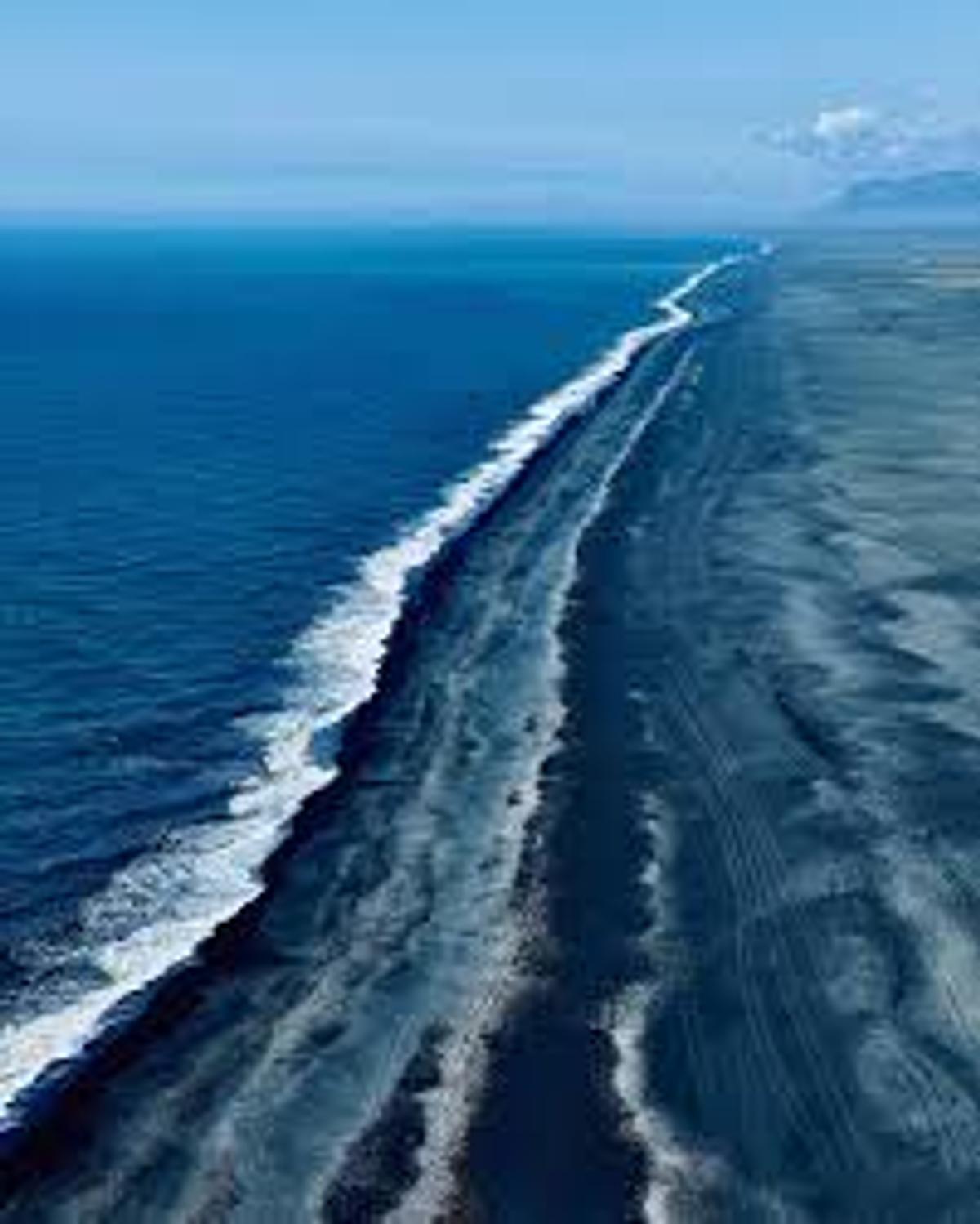
Sólheimafjara
Exposed black-sand shoreline on Sólheimasandur; the famous aircraft wreck lies inland, not at the waterline.
概要
訪問時間
1.5-2 hours (including walk to/from wreck)
最適な季節:
Daylight hours, particularly early morning or late afternoon for photography; All year, though winter can be harsh.
アクセス
Accessible via a well-marked turn-off from Ring Road (Route 1) onto a gravel road leading to a parking lot. From there, it's a 45-60 minute walk (approx. 4 km) to the plane wreck, or shuttle buses are available for a fee.
GPS
63.4519, -19.3478
について
Sólheimafjaraについて
Exposed black-sand shoreline on Sólheimasandur; the famous aircraft wreck lies inland, not at the waterline.
Sólheimafjara近くのツアー

South Coast Tour - Black Sand Beach, Plane wreck, Skogafoss, Seljalandsfoss guided in Chinese冰岛南岸黑沙滩飞机残骸中文一日团
Magic Iceland Travel · 10 hours 30 minutes
DT 322 Private Superjeep South Coast & Eyjafjallajökull Volcano Sights
Superjeep · 8 hours
South Coast Small Group Tour: Waterfalls, Glacier & Black Sand Beach
BusTravel Iceland · 10 hours
South Coast Waterfalls, Black Beach and Glacier Adventure | Small Group Day Tour
Nicetravel · 11 hours
Sólheimafjaraへレンタカーで
車で訪れる予定ですか?地域に合う車種を比較し、旅行日程に応じた実際のレンタカー料金を確認できます。
ここでリアルタイムの空車を検索
車種は提案であり、リアルタイムの料金や在庫ではありません。GoIceTravelは追加費用なしで紹介料を受け取る場合があります。
写真
ギャラリー
背景
歴史と背景
Sólheimasandur, the larger plain of which Sólheimafjara is the southernmost part, is believed to have formed from massive glacial outbursts (jökulhlaup) during Iceland's Settlement Age and again in the 13th century, as detailed in ancient sagas. Over recent years, parts of this sandy plain have undergone cultivation efforts. This geological history contributes to the unique black volcanic sands that define the landscape, a stark reminder of Iceland's dynamic geological processes. The modern history of Sólheimafjara is dominated by the dramatic event of November 21, 1973. On this day, a US Navy Douglas Dakota DC-3 C 117 aircraft was forced to make an emergency landing on the beach after its cooling equipment failed. All crew members survived the crash, but the plane was abandoned. Since then, the wreckage has become an iconic, albeit increasingly dilapidated, landmark. Exposed to the relentless salt spray and sandstorms, the fuselage has corroded significantly. Its tail section has been removed, and it appears to have been used for target practice over time. Despite its deteriorating state, the DC-3 wreck continues to be a powerful symbol of human vulnerability against nature's forces and a popular, haunting subject for photography and exploration.
Sólheimafjara forms part of the broad black-sand coast of Sólheimasandur. The Atlantic shoreline is exposed to strong surf and rapidly changing weather, so visitors should keep well back from the water. The widely photographed US Navy aircraft wreck is a separate inland point on Sólheimasandur rather than a feature on the beach. Access to either location should follow current land, parking and safety arrangements.
民話
物語と民話
Stepping onto Sólheimafjara is like entering a monochrome dreamscape. The vast expanse of black volcanic sand stretches endlessly, meeting the furious, frothing whitecaps of the Atlantic. A relentless wind often whips across the open space, carrying the scent of salt and the distant roar of the ocean. It's a place where nature's raw power is palpable, carving patterns into the sand with each receding wave. But beyond the stark beauty, a modern relic adds a layer of haunting mystery: the skeletal remains of a DC-3 plane. Its corroded fuselage, battered by decades of sea spray and sandstorms, lies silently, a stark contrast against the dark landscape. This isn't just a beach; it's a canvas of geological drama and human history, inviting contemplation on transience and resilience under Iceland's vast, often dramatic sky.
場所
場所
もっと探索