

Legsteinn séra Jóns Thorsteinssonar píslarvotts
Solemn obelisk in Vestmannaeyjar commemorating foreign seamen lost in 1914.
について
Legsteinn séra Jóns Thorsteinssonar píslarvottsについて
Solemn obelisk in Vestmannaeyjar commemorating foreign seamen lost in 1914.
Legsteinn séra Jóns Thorsteinssonar píslarvotts近くのツアー

South Coast Tour - Black Sand Beach, Plane wreck, Skogafoss, Seljalandsfoss guided in Chinese冰岛南岸黑沙滩飞机残骸中文一日团
Magic Iceland Travel · 10 hours 30 minutes
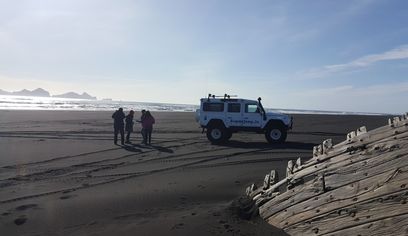
DT 322 Private Superjeep South Coast & Eyjafjallajökull Volcano Sights
Superjeep · 8 hours
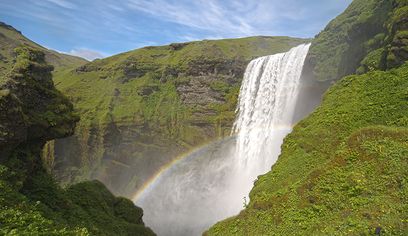
South Coast Small Group Tour: Waterfalls, Glacier & Black Sand Beach
BusTravel Iceland · 10 hours
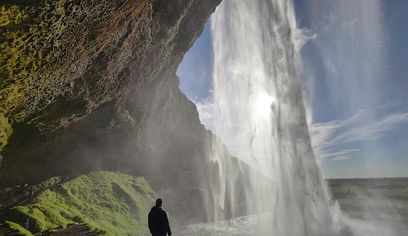
South Coast Waterfalls, Black Beach and Glacier Adventure | Small Group Day Tour
Nicetravel · 11 hours
Legsteinn séra Jóns Thorsteinssonar píslarvottsへレンタカーで
車で訪れる予定ですか?地域に合う車種を比較し、旅行日程に応じた実際のレンタカー料金を確認できます。
ここでリアルタイムの空車を検索
車種は提案であり、リアルタイムの料金や在庫ではありません。GoIceTravelは追加費用なしで紹介料を受け取る場合があります。
写真
ギャラリー
背景
歴史と背景
The history of this memorial is rooted in a maritime disaster during the tumultuous year of 1914. Off the coast of Vestmannaeyjar, near a treacherous area known as 'Vestmanna Gráni,' a schooner carrying foreign seamen, both German and English, met its tragic end. The unforgiving North Atlantic claimed their lives, leaving their bodies to the mercy of the currents. However, the story does not end with the tragedy. The resilient and compassionate people of Vestmannaeyjar, following a deeply ingrained ancient custom, undertook the solemn duty of recovering the bodies of the lost sailors. They provided them with a respectful burial, ensuring that their graves were tended with care, a testament to their profound humanity and respect for the deceased, regardless of nationality. A decade later, in 1924, the significance of this local act of kindness was formally recognized. Jón Sigurðsson, then the Prime Minister of Iceland and a figure of national importance, dedicated this enduring stone obelisk. Its purpose was twofold: to honor the memory of the foreign seamen who perished and, equally importantly, to acknowledge and commemorate the 'courage and perseverance' (hugrekki og þráseð) displayed by the Icelandic islanders in their humanitarian response to the disaster.
Perched on the dramatic, red-hued volcanic earth of Heimaey, Vestmannaeyjar, with the vast, often turbulent Atlantic stretching towards distant green islands, stands a striking stone obelisk. This memorial is a powerful testament to a maritime tragedy and the enduring human spirit. Its simple, tapering form, carved with what appears to be runic or ancient script on its upper sections, rises from a sturdy concrete base. A bronze plaque affixed to the base tells its poignant story in Icelandic: it commemorates German and English seamen who perished off the Vestmanna Gráni coast in 1914. Their schooner was lost, but their memory was preserved by the compassionate locals of Vestmannaeyjar, who, adhering to an ancient tradition, buried the fallen and tended their graves. Ten years later, in 1924, then-Prime Minister Jón Sigurðsson officially dedicated this monument. It serves a dual purpose: honoring the lost sailors and recognizing the Icelandic islanders' 'courage and perseverance' (hugrekki og þráseð) in their humanitarian efforts. Visiting this site offers a moment of quiet reflection, allowing one to absorb the raw beauty of the landscape while contemplating a significant, yet often overlooked, chapter of Icelandic and international history. The memorial's stark simplicity against the dramatic backdrop of sea and volcanic terrain makes it a truly moving experience.
民話
物語と民話
Amidst the rugged beauty of Vestmannaeyjar, a somber tale unfolds. In 1914, the unforgiving North Atlantic claimed the lives of foreign seamen, both German and English, off the treacherous 'Vestmanna Gráni.' Their schooner succumbed to the sea, but their memory was not lost. Following an ancient Icelandic custom of respect for the deceased, local islanders recovered their bodies and provided a dignified burial, tending to their graves with care. A decade later, in 1924, the then-Prime Minister, Jón Sigurðsson, recognized this profound act of humanity. He commissioned this stark, beautiful obelisk, not just to honor the lost sailors, but to stand as a permanent testament to the courage, compassion, and unwavering resolve of the Icelandic people who extended solace even to strangers in their time of need. It’s a silent sentinel, overlooking the very waters that witnessed both tragedy and profound human kindness.
場所
場所
もっと探索