
Látrabjarg Sea Cliff & Puffins
Látrabjargはヨーロッパ最大の海鳥の断崖であり、アイスランド最西端に位置する壮大な玄武岩の壁です。荒れ狂う大西洋に切り立つその断崖の岩肌には緑の苔が走り、無数の鳥が巣を営んでいます。中でも愛らしいパフィンとの出会いは、訪れる誰の記憶にも刻まれる忘れがたい体験です。
について
Látrabjarg Sea Cliff & Puffinsについて
Látrabjargはヨーロッパ最大の海鳥の断崖であり、アイスランド最西端に位置する壮大な玄武岩の壁です。荒れ狂う大西洋に切り立つその断崖の岩肌には緑の苔が走り、無数の鳥が巣を営んでいます。中でも愛らしいパフィンとの出会いは、訪れる誰の記憶にも刻まれる忘れがたい体験です。
Látrabjarg Sea Cliff & Puffins近くのツアー
BIRD WATCHING - puffins and more
Westfjords Adventures · 7 hours
CROWN JEWEL; KJARAN'S AVENUE & DYNJANDI - jeep tour
Westfjords Adventures · 9 hours
Hornstrandir Panorama
Borea Adventures · 10 hours
GRAND WEST - Látrabjarg, Rauðasandur & more
Westfjords Adventures · 6 hours
Látrabjarg Sea Cliff & Puffinsへレンタカーで
車で訪れる予定ですか?地域に合う車種を比較し、旅行日程に応じた実際のレンタカー料金を確認できます。
ここでリアルタイムの空車を検索
車種は提案であり、リアルタイムの料金や在庫ではありません。GoIceTravelは追加費用なしで紹介料を受け取る場合があります。
写真
ギャラリー
背景
歴史と背景
Látrabjarg's history is predominantly geological and ecological. Formed by ancient volcanic activity, this colossal basalt wall has, for millennia, served as a crucial breeding ground for millions of seabirds. Its sheer, inaccessible faces provided a safe haven from predators, allowing vast colonies of species like puffins, razorbills, and guillemots to thrive. Beyond its natural significance, Látrabjarg holds a unique geographical distinction. It is a prominent sea cliff located in the Westfjords of Iceland, marking the westernmost point of both Iceland and Europe (excluding the Azores). This makes it a significant landmark for navigators and a symbolic edge of the continent, a place where land makes its final stand against the vast expanse of the North Atlantic.
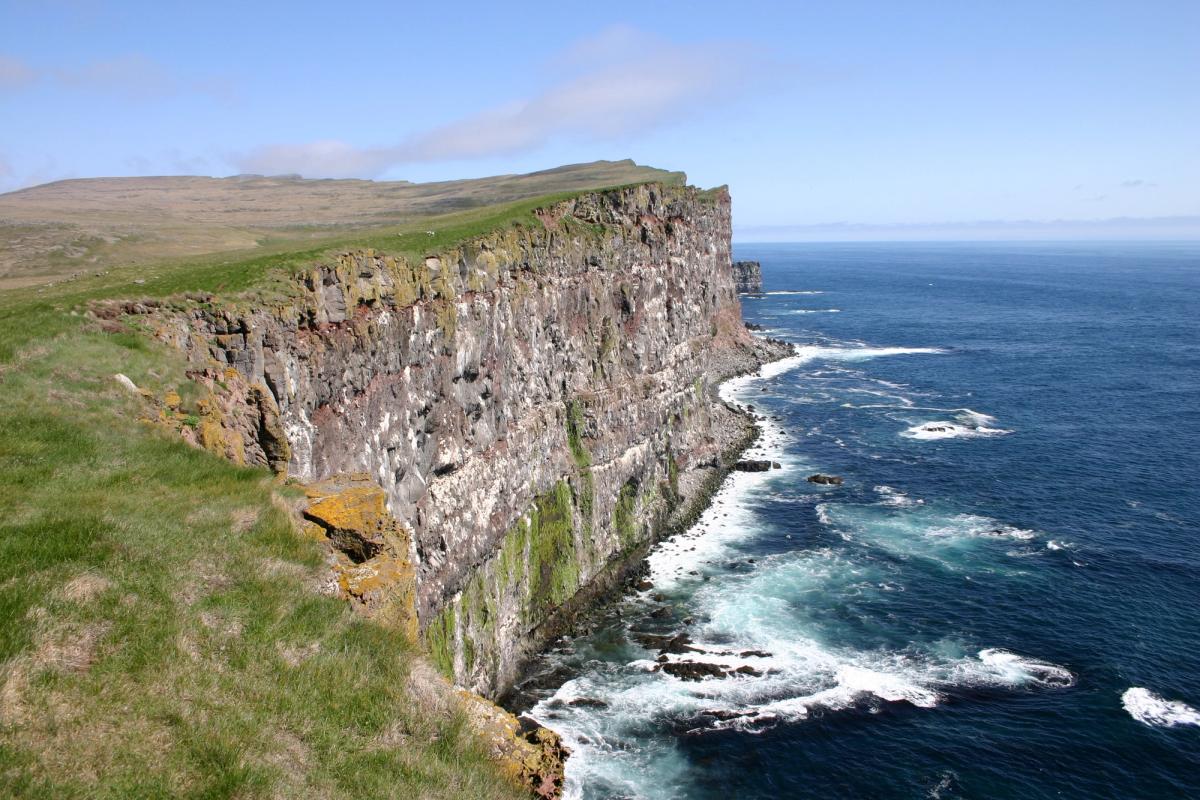
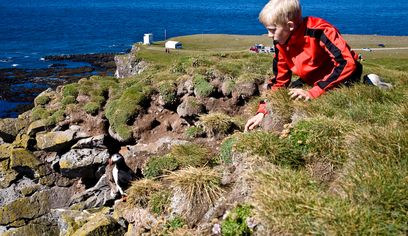
Látrabjarg Sea Cliff & Puffins stands as a breathtaking testament to Iceland's raw natural beauty and diverse wildlife. As Europe's largest seabird cliff and the westernmost point of both Iceland and Europe, it offers an unparalleled spectacle. The cliff face, a majestic 14 km long and soaring up to 440 meters, is a vibrant habitat for millions of nesting seabirds. From the vantage point atop the cliff, you can observe the intricate patterns of the basalt rock, streaked with green moss and white bird droppings, descending into the deep blue, wave-battered ocean visible in the image. The lush green grass on the cliff's edge provides a stark contrast to the dramatic drop. During the summer months, specifically June to August, the cliffs become a bustling metropolis for puffins, razorbills, guillemots, kittiwakes, and fulmars. Puffins, in particular, are a highlight, nesting in burrows close to the edge and allowing for remarkably close-up photography, as they exhibit an endearing lack of fear towards humans. While remote, requiring a 2–3 hour drive from Ísafjörður on rough roads, the rewarding experience of witnessing such a colossal bird colony in a stunning natural setting makes the journey worthwhile. Visitors should be aware that the cliff edge can be unstable due to bird burrows, so caution is advised. This is a prime location for encountering Iceland's remarkable natural fauna in a truly wild and awe-inspiring environment.
民話
物語と民話
想像してみてください——ヨーロッパの最果て、大地が突然広大で荒れた大西洋へと切り落ちる場所に立つ自分を。ここがLátrabjargです。ウェストフィヨルズの荒れた道を走り、期待を高めながらたどり着く先に、440メートルの高さと14キロメートルの長さを誇る玄武岩の断崖が姿を現します。黒く風雨に磨かれた岩肌には、緑の苔と白い糞が縞模様をつくっています。空気は無数の海鳥の喧騒に満ち——ウミガラス、ハシブトウミガラス、ミツユビカモメ、フルマカモメ、そして何といってもパフィン。夏になれば、カラフルな嘴のこの愛らしい鳥たちは、人間などものともせずに足元の巣穴で子育てをします。打ち寄せる白波を背景に、大きく羽ばたいて深青の海へ飛び込み、口いっぱいに魚を運んで戻るパフィンの姿——それはアイスランドの野性の鼓動に深くつながる、忘れられない光景です。
場所
場所
もっと探索