
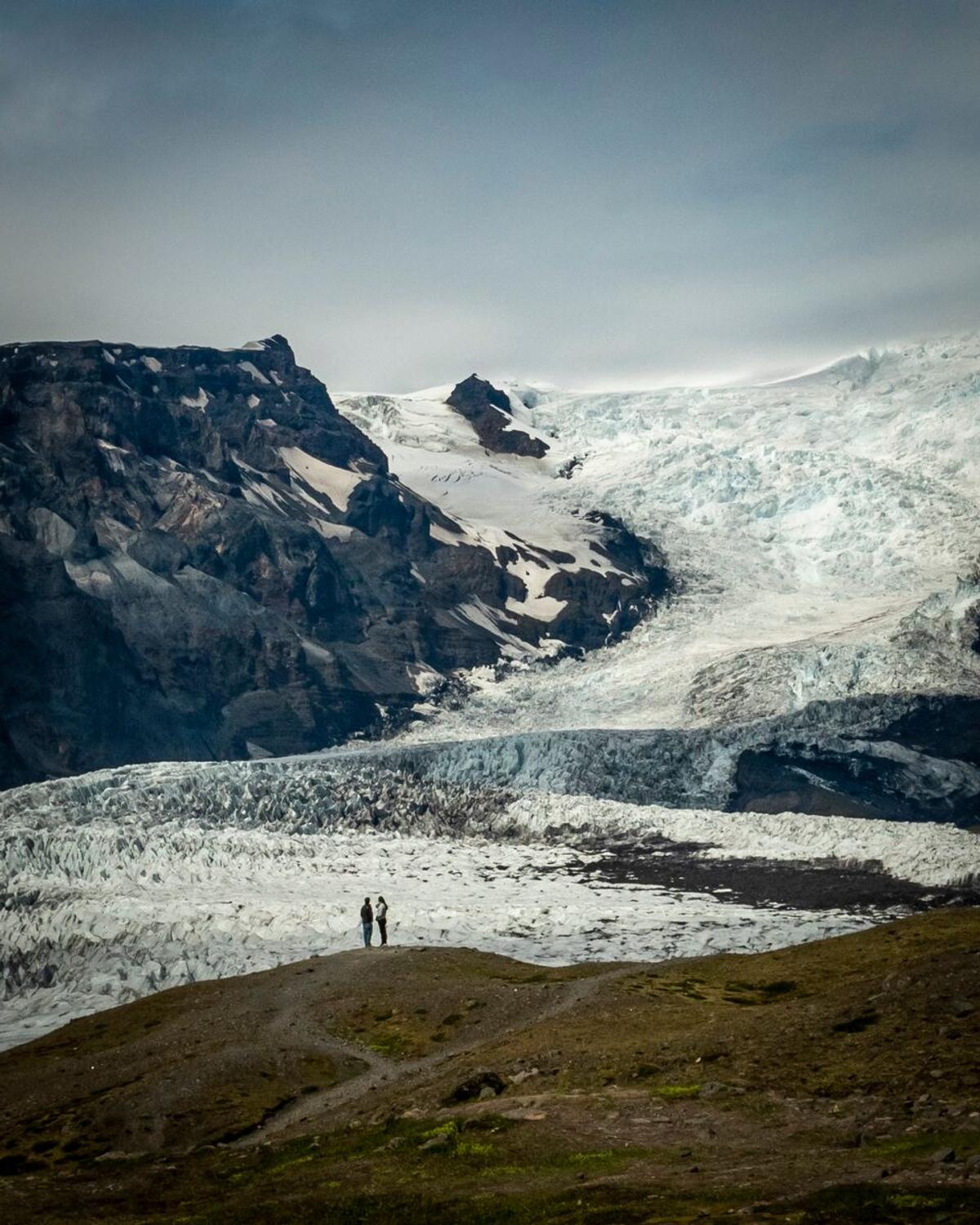
Kvíslajökull
Witness the awe-inspiring scale of Kvíslajökull, a majestic glacier cascading from Hofsjökull.
について
Kvíslajökullについて
Witness the awe-inspiring scale of Kvíslajökull, a majestic glacier cascading from Hofsjökull.
Kvíslajökullへレンタカーで
車で訪れる予定ですか?地域に合う車種を比較し、旅行日程に応じた実際のレンタカー料金を確認できます。
ここでリアルタイムの空車を検索
重要:4WD/AWD であっても Fロードの走行が許可されるとは限りません。正確なルート、車両、レンタル契約をレンタカー会社にご確認ください。4WD でも閉鎖道路や渡河が禁止されている場合があります。
車種は提案であり、リアルタイムの料金や在庫ではありません。GoIceTravelは追加費用なしで紹介料を受け取る場合があります。
写真
ギャラリー
背景
歴史と背景
Kvíslajökull is geologically significant as one of the major outlet glaciers flowing from Hofsjökull, Iceland's third-largest ice cap. For millennia, this glacier has been a powerful sculptor of the landscape, carving valleys and depositing vast moraines that are evident in the terrain today. Its ice contributes meltwater directly to the Blönda river, a vital waterway in North Iceland known for its hydroelectric power generation. The glacier's presence is a testament to the country's unique geological history, shaped by volcanic activity and glacial cycles. In more recent times, Kvíslajökull, like nearly all Icelandic glaciers, has become a poignant symbol of global climate change. Scientific observations show a clear pattern of retreat, with the ice mass shrinking visibly over decades. This ongoing process reveals ancient landscapes previously hidden beneath the ice, offering scientists new insights into past environments but also serving as a stark reminder of the planet's warming climate. Historically, glaciers like Kvíslajökull were often viewed with a mix of awe and trepidation by early settlers, representing both a formidable barrier and a source of life-sustaining water. Today, they are cherished natural wonders, drawing visitors who seek to witness their immense beauty and understand their ecological importance before they recede further. The land around Kvíslajökull, with its delicate vegetation, also holds historical significance for grazing and traditional Icelandic livelihoods, making its preservation a multifaceted concern.
Kvíslajökull, an impressive outlet glacier extending westward from the mighty Hofsjökull, offers a truly spectacular Icelandic experience. As seen in the striking image, its vast, textured expanse of ice dominates the landscape, framed by rugged, dark mountains partially dusted with snow and ice. The glacier's surface is a marvel of natural artistry, featuring "prominent moraines, glacial waves, and skerries on the sand in front of it," as well as "glacial skerries rising out of the glacier itself." These unique formations, visible from vantage points like the foreground hill where two small figures stand, highlight the dynamic processes of glacial movement. The sense of scale here is overwhelming; visitors often feel a profound quietude, an "indescribable tranquility," that emphasizes the raw power and beauty of nature. While the area boasts fragile vegetation, the primary draw is undoubtedly the sheer majesty of the ice. Kvíslajökull is not merely a frozen landscape; it's a living, breathing testament to geological forces, constantly shaping and reshaping the land. It provides a crucial water source for the Blönda river, underscoring its ecological importance. A visit here offers an unforgettable encounter with one of Iceland's most iconic natural features, a powerful reminder of both the planet's grandeur and the ongoing impacts of climate change on these magnificent ice giants.
民話
物語と民話
The wind whispered tales across the vast expanse as we stood on the gentle rise overlooking Kvíslajökull. Below, the glacier sprawled like an ancient, frozen river, its surface a chaotic tapestry of white and shadowy crevasses, stretching towards the distant, jagged peaks. We were just two specks, dwarfed by the sheer magnitude of the ice and rock. The silence was profound, broken only by the occasional distant rumble of the glacier shifting or melting ice. It was a humbling moment, a stark reminder of nature's power and the delicate balance of our planet. Every ripple in the ice, every dark rock face, told a story of millennia, of forces far beyond human comprehension. To stand there was to feel connected to something primal and eternal, yet also acutely aware of its ephemeral nature in a changing world. The sheer immensity of the ice, contrasted with our fleeting presence, left an indelible mark.
場所
場所
もっと探索