
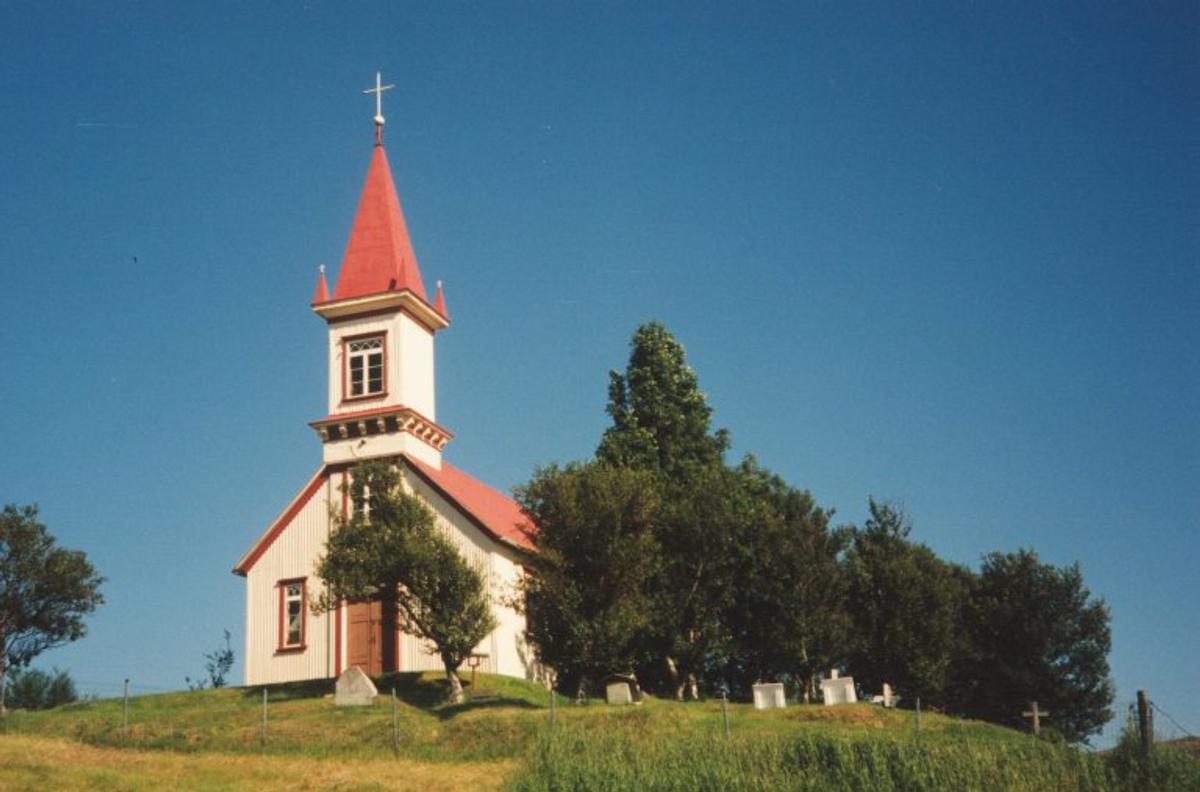
Hrunakirkja
Historic church at Hruni, associated with the folktale Dansinn í Hruna.
について
Hrunakirkjaについて
Historic church at Hruni, associated with the folktale Dansinn í Hruna.
Hrunakirkja近くのツアー

South Coast Tour - Black Sand Beach, Plane wreck, Skogafoss, Seljalandsfoss guided in Chinese冰岛南岸黑沙滩飞机残骸中文一日团
Magic Iceland Travel · 10 hours 30 minutes

DT 322 Private Superjeep South Coast & Eyjafjallajökull Volcano Sights
Superjeep · 8 hours
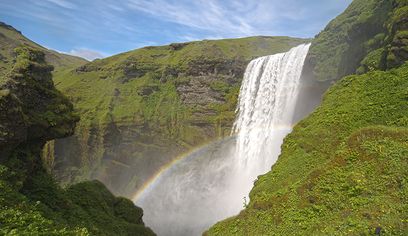
South Coast Small Group Tour: Waterfalls, Glacier & Black Sand Beach
BusTravel Iceland · 10 hours
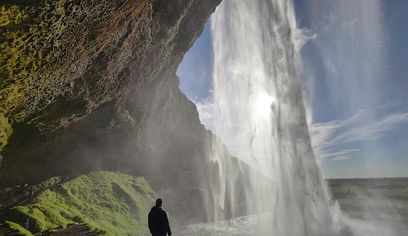
South Coast Waterfalls, Black Beach and Glacier Adventure | Small Group Day Tour
Nicetravel · 11 hours
Hrunakirkjaへレンタカーで
車で訪れる予定ですか?地域に合う車種を比較し、旅行日程に応じた実際のレンタカー料金を確認できます。
ここでリアルタイムの空車を検索
車種は提案であり、リアルタイムの料金や在庫ではありません。GoIceTravelは追加費用なしで紹介料を受け取る場合があります。
写真
ギャラリー
背景
歴史と背景
Hrunakirkja is an integral part of the Hruni parish within the Árnes deanery, a testament to Iceland's long-standing Christian tradition. The church itself was constructed in 1865, utilizing iron-clad timber, a common and durable building material for the era. Designed by the renowned architect Rögnvaldur Ólafsson, it was built to accommodate a congregation of up to 200 people, reflecting the community's size and spiritual needs at the time. Its architectural details are noteworthy: a timber house measuring 14.83 meters in length and 6.00 meters in width, featuring a cross-gabled roof. The most distinctive feature is its square tower rising from the west gable, crowned by a high, pyramidal spire. The entire structure is clad in corrugated iron and stands on a concrete foundation, ensuring its longevity in the Icelandic climate. This blend of traditional materials and a unique spire makes it a recognizable landmark. Beyond its structural history, Hrunakirkja gained national protection on January 1, 1990, under the age provisions of the national heritage laws, cementing its status as a significant cultural and historical site. It stands not only as a place of worship but also as a monument to Icelandic craftsmanship and the enduring spiritual life of its people, deeply woven into the fabric of local folklore.
Hrunakirkja stands at Hruni in Hrunamannahreppur on a church site with a long local history. The church is also closely associated with the folktale Dansinn í Hruna, which tells of a Christmas-night dance ending in supernatural disaster. The tale is folklore rather than documented history and should be presented as such. Visitors should respect the cemetery and any restrictions on church access.
民話
物語と民話
Under a vast, clear blue sky, Hrunakirkja gleams with its pristine white timber walls and a vibrant red roof, its tall, pyramidal spire reaching towards the heavens, crowned by a simple cross. It looks serene now, nestled on a grassy knoll, surrounded by a scattering of gravestones and green trees. But beneath this tranquil facade lies a tale that has whispered through generations: the 'Dance of Hruni'. Legend has it that one Christmas Eve, the parishioners, perhaps emboldened by festive spirits, danced with such abandon within these very walls that the merriment turned macabre. The revelry grew wilder and wilder until, at the stroke of midnight, the devil himself, Kölski, emerged from the shadows. He is said to have dragged the dancing souls down into the underworld, leaving behind a chilling silence. Today, visitors can almost hear the echoes of that fateful night as they stand before this beautiful, yet haunting, piece of Icelandic history, a testament to faith, community, and the enduring power of folklore.
場所
場所
もっと探索