
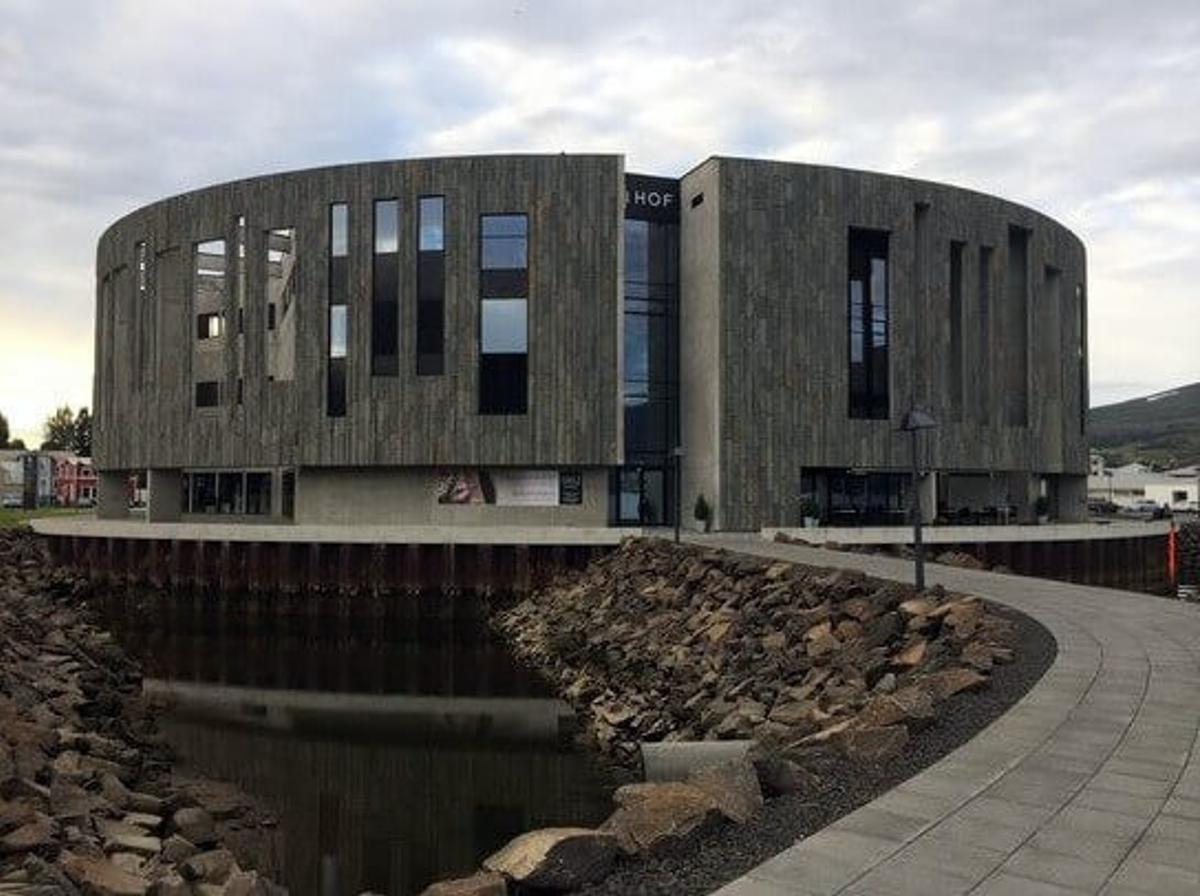
Hof
Hof í Hörgárdal preserves an 1828 timber house, Hofsstofa, amidst North Iceland's historic farmsteads.
について
Hofについて
Hof í Hörgárdal preserves an 1828 timber house, Hofsstofa, amidst North Iceland's historic farmsteads.
Hof近くのツアー
Diamond Circle Day Tour from Akureyri or Lake Myvatn
Imagine Iceland Travel · 9 hours
Lake Mývatn Shore Excursion from Akureyri Port - Spanish
Iceland Horizon - Saga Travel - GeoIceland · 6 hours

Private Northern Lights Photography from Akureyri
Iceland Horizon - Saga Travel - GeoIceland · 3 hours
Dettifoss Waterfall, Ásbyrgi and Lake Mývatn - Shore Excursion from Húsavík
BusTravel Iceland · 5 hours 30 minutes
Hofへレンタカーで
車で訪れる予定ですか?地域に合う車種を比較し、旅行日程に応じた実際のレンタカー料金を確認できます。
ここでリアルタイムの空車を検索
車種は提案であり、リアルタイムの料金や在庫ではありません。GoIceTravelは追加費用なしで紹介料を受け取る場合があります。
写真
ギャラリー
背景
歴史と背景
Hof í Hörgárdal holds deep historical roots, dating back to Iceland's settlement era in the 9th and 10th centuries. According to Landnámabók, the medieval "Book of Settlements," the Hörgárdalur valley was claimed by Þórður slítandi, a Norse Viking settler. The valley's fertile lands made it an attractive location for early farms, establishing its importance in the foundational history of North Iceland. The most prominent historical structure at Hof is Hofsstofa, a timber house built in 1828 by Þorsteinn Daníelsson. This building represents a significant example of 19th-century Icelandic farm architecture. Its original construction with clapboard walls and a shingled roof, later updated with corrugated iron in 1936 for improved durability against the elements, showcases the adaptive nature of traditional Icelandic building practices. Hofsstofa's protection under the National Heritage Act since 1990 underscores its cultural value. As a former church site and a long-standing farm, Hof í Hörgárdal serves as a vital link to the country's past, illustrating the enduring way of life for Icelanders who relied on the land, their livestock, and a strong sense of community for survival over centuries.
Hof í Hörgárdal is a historically significant farm and former church site nestled within the scenic Hörgárdalur valley in North Iceland, approximately 30 kilometers southwest of Eyjafjörður. This wide, fertile valley has been inhabited since the settlement era, as chronicled in Landnámabók, which mentions Þórður slítandi claiming parts of Hörgárdalur. The centerpiece of Hof í Hörgárdal is Hofsstofa, a remarkably preserved timber house constructed in 1828 by Þorsteinn Daníelsson. This house, measuring 10.78 meters long and 6.53 meters wide, features a distinctive hipped roof and a small dormer. Originally, its walls were clad with clapboard and the roof with shingles, materials that were later replaced by corrugated iron in 1936, a common practice for weather protection in Iceland. Hofsstofa was officially protected on January 1, 1990, under the National Heritage Act, ensuring its preservation for future generations. Visiting Hof í Hörgárdal offers a direct connection to Iceland's rich human history, providing insights into the lives of early settlers and the evolution of Icelandic farm architecture. While exploring the site, visitors can appreciate the enduring legacy of a community that thrived by living close to the land, relying on traditional farming methods, sheep, and fishing. The site serves as a poignant reminder of the resilience and resourcefulness required to survive and prosper in Iceland's challenging environment. It’s an ideal stop for those interested in Icelandic heritage, architecture, and the deep historical roots of its people.
民話
物語と民話
Imagine standing in the Hörgárdalur valley, a place settled by Norse Vikings like Þórður slítandi over a thousand years ago. The wind whispers tales of hardy Icelanders who carved out a life from this fertile land. At Hof í Hörgárdal, the past feels tangible, particularly around Hofsstofa, a sturdy timber house built in 1828. Picture the family inside, huddled against the harsh Icelandic winters, relying on their sheep and fishing for survival. This house, initially clad in wood and shingles, later updated with corrugated iron, stands as a testament to resilience and adaptation. It's a window into the daily rhythms of a life deeply connected to the land, preserving the memory of a way of life that shaped Iceland's unique cultural identity and its enduring spirit of community.
文化
物語と伝説
この地域のアイスランドのサガと民話
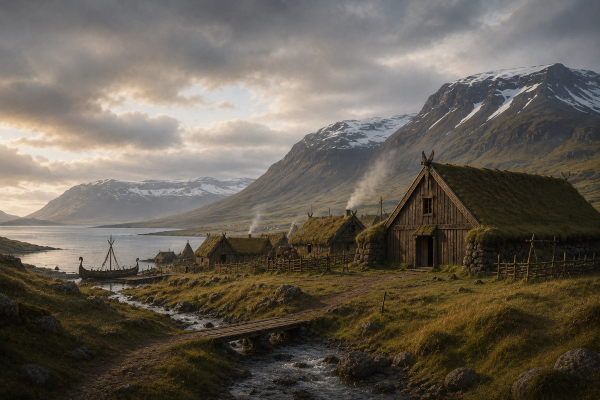
Akureyri
Akureyri is a historic location in Iceland mentioned in "Ljósvetninga saga", one of the ancient Íslendingasögur (Sagas of Icelanders). These medieval narratives preserve the history of Iceland's Viking Age settlement.
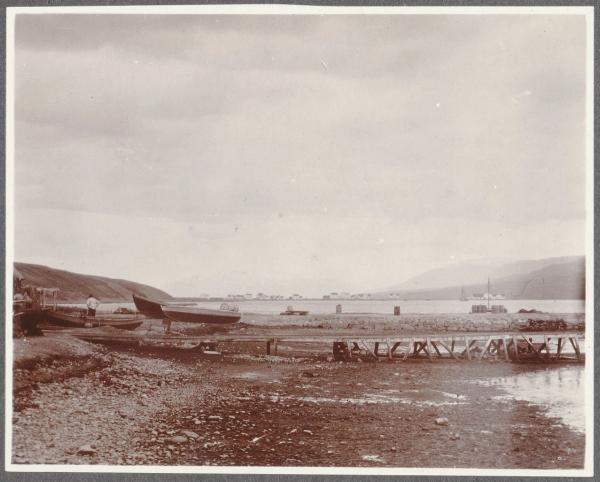
Oddeyri
Oddeyri is a historic location in Iceland mentioned in "Ljósvetninga saga, Víga-Glúms saga", one of the ancient Íslendingasögur (Sagas of Icelanders). These medieval narratives preserve the history of Iceland's Viking Age settlement.

Sigluvík
Sigluvík is a historic location in Iceland mentioned in "Víga-Glúms saga", one of the ancient Íslendingasögur (Sagas of Icelanders). These medieval narratives preserve the history of Iceland's Viking Age settlement.
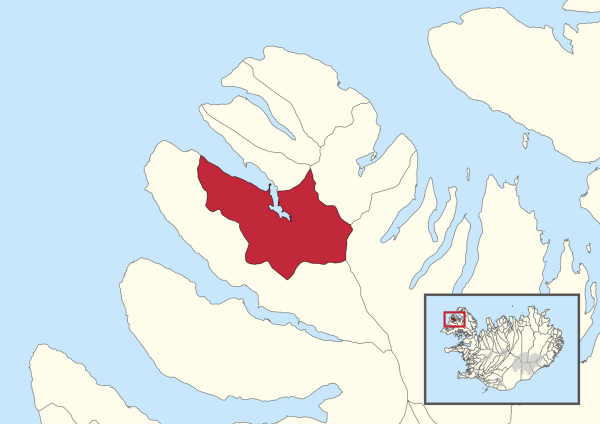
Vaðlar
Vaðlar is a historic location in Iceland mentioned in "Ljósvetninga saga", one of the ancient Íslendingasögur (Sagas of Icelanders). These medieval narratives preserve the history of Iceland's Viking Age settlement.
場所
場所
もっと探索