Hellnahellir
Large man-made cave complex in Landsveit with an uncertain early history.
About
About Hellnahellir
Large man-made cave complex in Landsveit with an uncertain early history.
Uncover the mysteries of Iceland's longest man-made cave with unknown ancient origins.
Photos
Photo Gallery
Background
History & Background
The history of Hellnahellir is shrouded in an intriguing veil of uncertainty, making it one of Iceland's most enigmatic historical sites. This impressive man-made sandstone cave, located at the farm Hellar in Landsveit, South Iceland, is unique not only for its length but also for the mystery surrounding its origins. Historians and archaeologists have long debated its age and original purpose, with no definitive answers yet established. One prominent theory suggests that Hellnahellir could predate the Norse settlement of Iceland, potentially dating back to the time of the Papar, Irish monks believed to have briefly inhabited the island before the Vikings arrived. This would place its construction sometime before 874 AD, making it an incredibly ancient feat of engineering. Another theory posits that the cave was excavated by local farmers between 900 and 1332 AD, possibly serving as a shelter for livestock during harsh winters, a storage facility for hay and provisions, or even a hidden dwelling place. The cave's consistent temperature, never freezing, would have made it ideal for such purposes. Regardless of its true origin, Hellnahellir stands as a testament to the ingenuity and resilience of early inhabitants of Iceland. Its cultural significance is deeply intertwined with the country's rich tradition of folklore, sagas, and ancient stories. It represents a tangible link to a past where humans adapted to and shaped their environment in remarkable ways, leaving behind a legacy that continues to captivate and inspire curiosity.
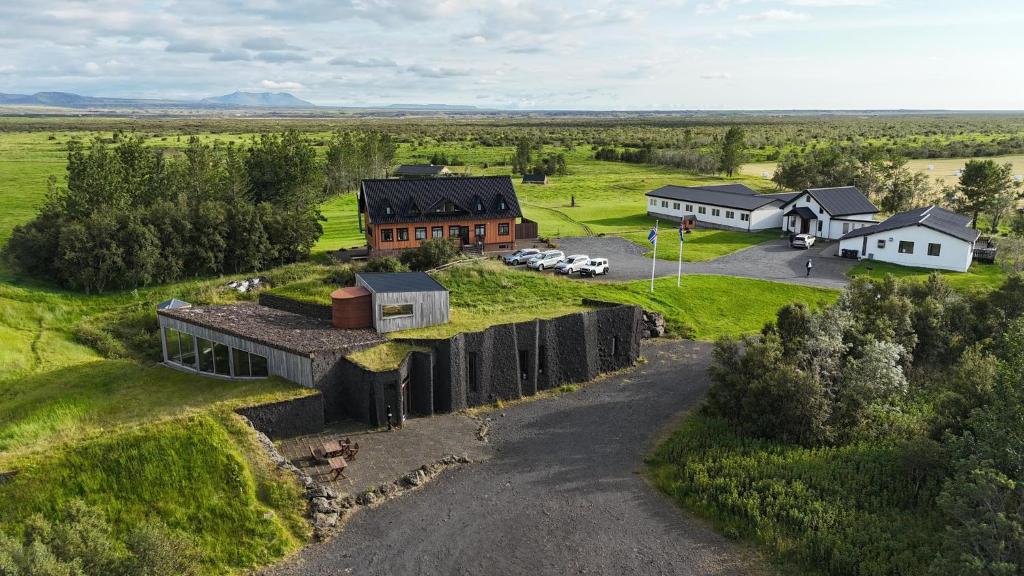
Hellnahellir at Hellar in Landsveit consists of several connected man-made chambers, traditionally identified as Heyhellir, Göngin and Gamlihellir. The cave has been adapted for practical use over time, but claims that it was made before the Norse settlement are not established fact. Access depends on the landowner and current arrangements, so visitors should not assume the cave is open for independent entry.
Folklore
Story & Folklore
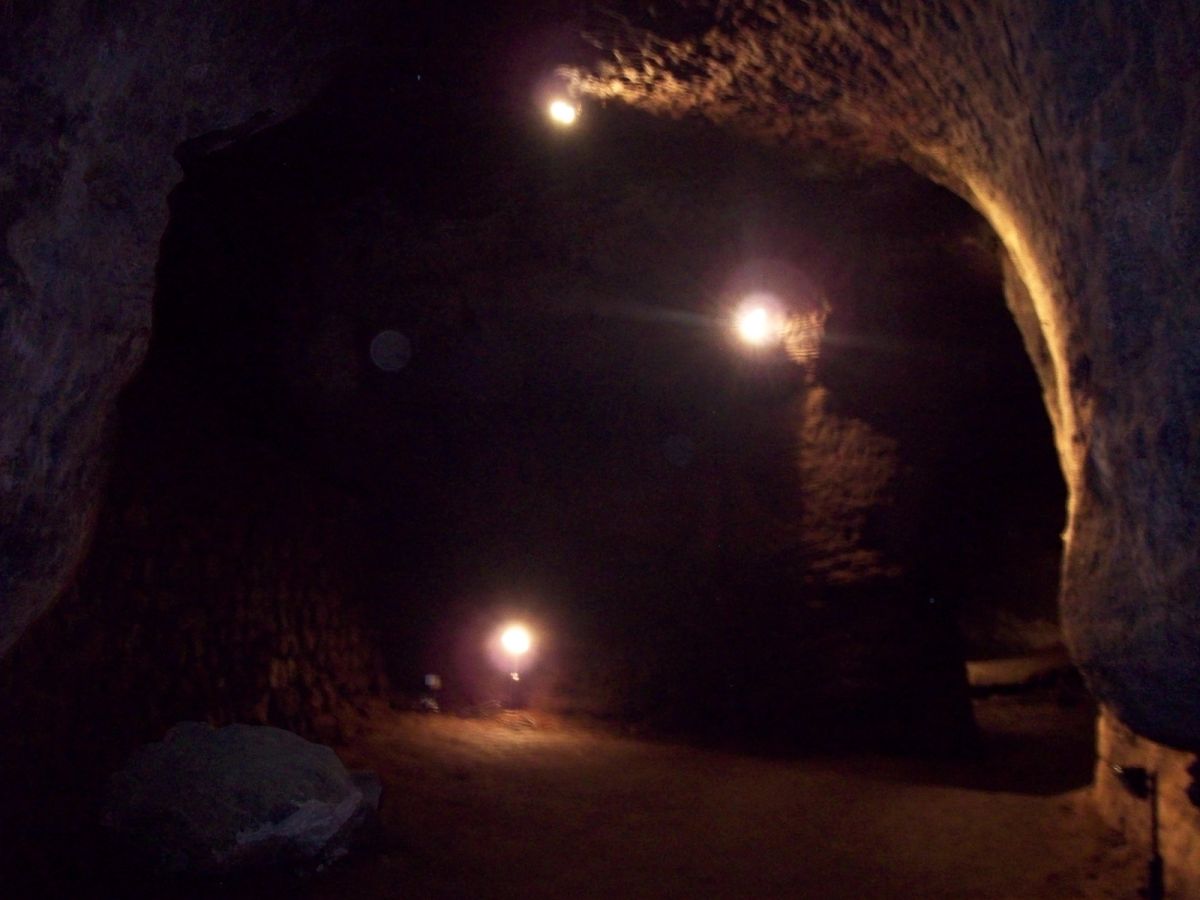
Imagine stepping into the cool, silent embrace of Hellnahellir. The air is still, carrying whispers of centuries past. As your eyes adjust to the soft glow of the scattered lights, the rough, ancient sandstone walls emerge from the darkness, their textures telling tales untold. This isn't just a cave; it's a journey into Iceland's enigmatic past. Was it a refuge for the Irish monks, the Papar, who may have touched these shores before the Norse? Or was it a resourceful shelter, carved by early farmers seeking warmth and storage in the harsh Icelandic winters? Each step deeper into its three sections—Heyhellir, Göngin, and Gamlihellir—feels like traversing time itself. The constant, unchanging temperature, the sheer scale of this man-made marvel, all contribute to a profound sense of wonder. You can almost hear the echoes of ancient voices, feel the presence of those who labored here, leaving behind a legacy of mystery for us to ponder.
💡 Did You Know?
Hellnahellir is Iceland's longest man-made cave, yet its exact age and original purpose remain a complete mystery, possibly dating back to pre-settlement times.
Help
Frequently Asked Questions
Location
📍 Location
Discover
Explore Nearby
Places from our database within 1.0 km — all data from Sanity
Loading nearby places…
0 places found within 1.0 km
Plan full itinerary →Explore More