Gvendarbrunnur
Discover Gvendarbrunnur, a sacred well in the Westfjords, steeped in ancient Icelandic folklore.
At a Glance
Visit time
30-45 minutes
Best season
Late Spring to Early Autumn (May-September), during daylight hours.
Access
Accessible via a short drive from Hólmavík on paved roads, followed by a brief walk. Exact path might be uneven, so sturdy shoes are recommended.
GPS
65.7083, -21.7093
About
About Gvendarbrunnur
Discover Gvendarbrunnur, a sacred well in the Westfjords, steeped in ancient Icelandic folklore.
Experience a tangible piece of Iceland's mystical past and ancient healing traditions.
Photos
Photo Gallery
Background
History & Background
Gvendarbrunnur's history is inextricably linked to Bishop Guðmundur Arason (1161–1237), often called Guðmundur the Good. During his time as Bishop of Hólar, Guðmundur traveled extensively, consecrating numerous natural sites—springs, wells, rivers, and even rocks—believing them to be sacred and imbued with divine power. Gvendarbrunnur in Kálfanes was one such site, becoming a focal point for spiritual devotion and healing in the Westfjords. The well gained significant renown for its supposed miraculous properties. According to the Bishops' Sagas, the water from Gvendarbrunnur was not only used for medicinal purposes but also served as a powerful tool in warding off evil spirits and mythical beings, such as trolls and 'forynjur.' The saga's vivid account of the water being carried in a linen cap across the fjord without spilling highlights the extreme holiness attributed to it. This tradition of sacred wells and their connection to folklore is a testament to Iceland's deep cultural heritage, where the natural environment and supernatural beliefs were intricately intertwined.
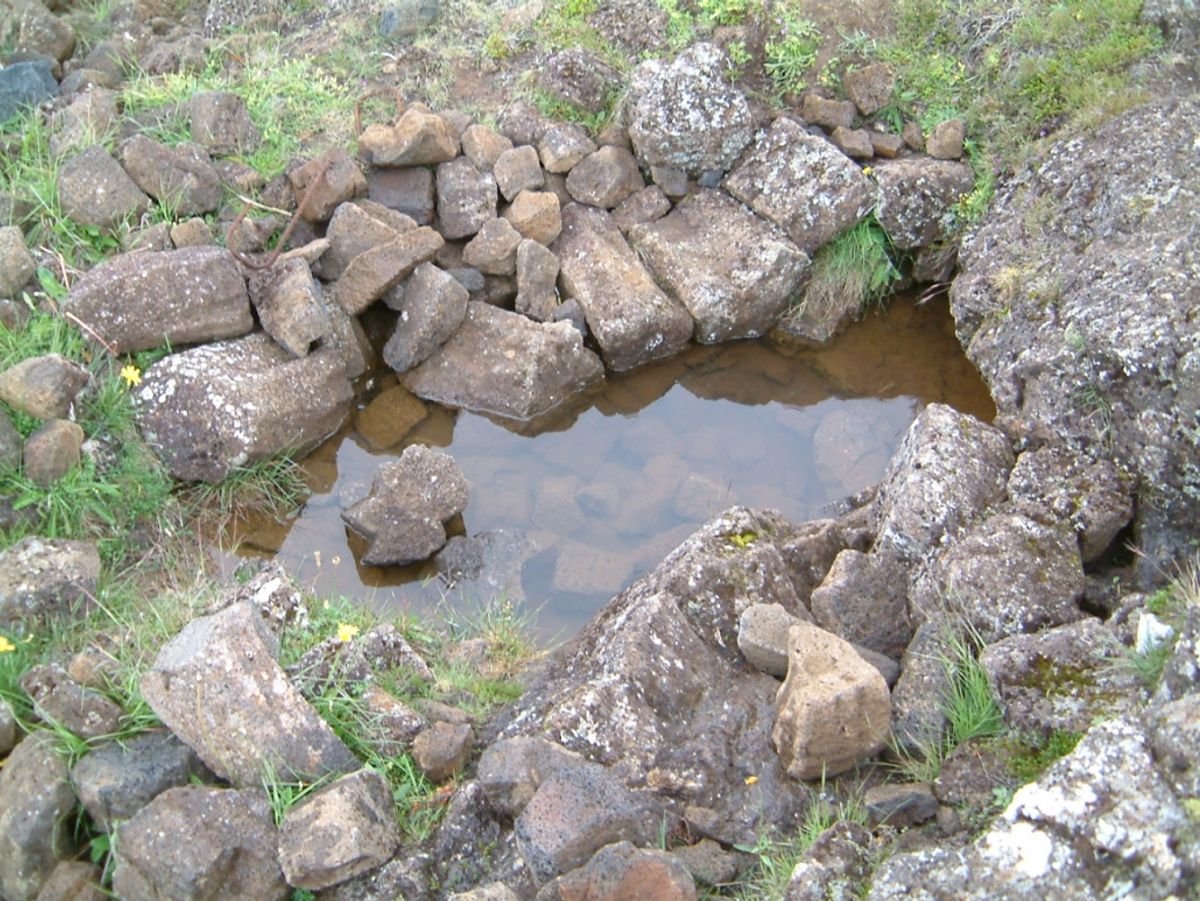
Gvendarbrunnur, or Guðmundur's Well, is a culturally significant site located in the Kálfanes area, near the village of Hólmavík in the Westfjords. This seemingly simple pool, surrounded by rugged, lichen-dusted stones and patches of green grass, holds a profound place in Icelandic history and folklore. It was famously consecrated by Bishop Guðmundur Arason, a revered figure known for sanctifying numerous natural springs, wells, and other geological features across the country during the 12th and 13th centuries. The water from Gvendarbrunnur was considered so sacred that it was believed to possess potent healing capabilities, used to cure ailments, and even to combat the most stubborn ghosts and mythical creatures, as documented in the ancient Bishops' Sagas. A particularly enchanting legend recounts that its water could be transported in a linen cap across Steingrímsfjörður without a drop escaping. Visiting Gvendarbrunnur offers a unique opportunity to connect with Iceland's rich literary heritage, its deep-rooted folklore, and the enduring power of its natural landscapes, providing a quiet moment of reflection on the beliefs that shaped generations. Look closely at the stones, some submerged, others forming a natural basin, and imagine the countless hands that have touched these waters through the ages.
Folklore
Story & Folklore
The air around Gvendarbrunnur hums with tales of old, a silent witness to centuries of belief and wonder. Imagine Bishop Guðmundur Arason, 'Guðmundur the Good,' standing by this very spring, his voice echoing over the Westfjords as he consecrated the waters, imbuing them with divine power. Locals, burdened by illness or haunted by unseen forces, would journey to this humble pool, seeking solace and a cure. They spoke of its miraculous properties, how its pure essence could mend the body and banish the darkest of spirits. Even today, as you gaze into the tranquil depths, it's easy to feel the whispers of those ancient prayers and the lingering magic that makes Gvendarbrunnur more than just a well, but a living relic of Iceland's mystical heritage.
💡 Did You Know?
Legend says the water from Gvendarbrunnur was so holy it could be carried across Steingrímsfjörður in a linen cap without a single drop leaking!
Culture
Stories & Legends
Icelandic sagas and folklore from this area
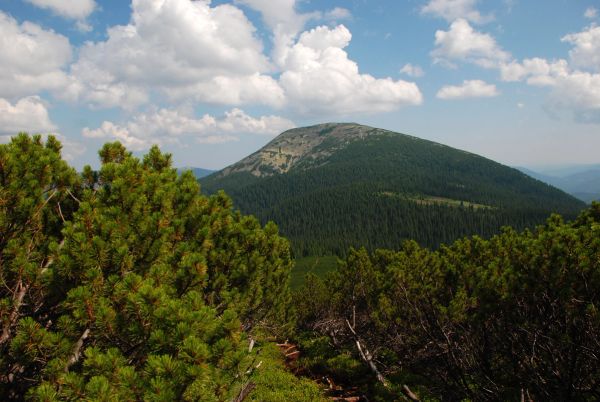
Hrófá
Hrófá is a historic location in Iceland mentioned in "Fóstbræðra saga", one of the ancient Íslendingasögur (Sagas of Icelanders). These medieval narratives preserve the history of Iceland's Viking Age settlement.

Skeljavík
Skeljavík is a historic location in Iceland mentioned in "Gísla saga Súrssonar, Gunnlaugs saga ormstungu", one of the ancient Íslendingasögur (Sagas of Icelanders). These medieval narratives preserve the history of Iceland's Viking Age settlement.
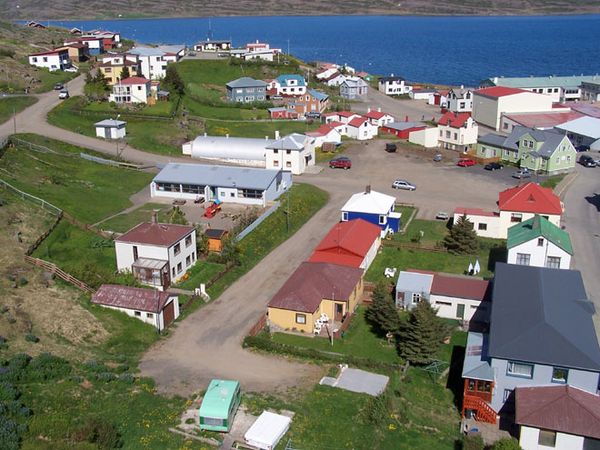
Hólmavík – Museum of Sorcery & Witchcraft
The Museum of Icelandic Sorcery and Witchcraft in the Westfjords — Iceland's centre of 17th century witch trials, with displays including stave magic and the notorious Nábrók (necropants).
Explore
Hidden Gems Nearby
✦ Museum of Icelandic Sorcery & Witchcraft (Galdrasafnið)
Located in nearby Hólmavík, this fascinating museum delves into the history of magic and witchcraft in Iceland, a perfect complement to Gvendarbrunnur's mystical past.
It offers a deeper dive into the folklore and ancient beliefs surrounding places like Gvendarbrunnur.
✦ Hólmavík Village
Explore the charming fishing village of Hólmavík, offering local amenities, beautiful coastal views, and insights into Westfjords life.
It's the closest hub for services and a great place to experience local culture after visiting the well.
Help
Frequently Asked Questions
Location
📍 Location
Discover
Explore Nearby
Places from our database within 1.0 km — all data from Sanity
Loading nearby places…
0 places found within 1.0 km
Plan full itinerary →Explore More