Flugumýri
Step back in time at Flugumýri, a historic site nestled beneath towering, snow-dusted mountains.
About
About Flugumýri
Step back in time at Flugumýri, a historic site nestled beneath towering, snow-dusted mountains.
Experience a dramatic saga site, explore a historic church, and witness a working Icelandic horse farm.
Photos
Photo Gallery
Background
History & Background
Flugumýri holds a significant place in Icelandic history, primarily as an ancient chieftain's estate and the setting for one of the most dramatic events of the Sturlunga Age. Named after a legendary swift mare, the site was a powerful stronghold in the 13th century, home to Gissur Þorvaldsson, a prominent figure in the civil wars that tore Iceland apart. The landscape, with its sweeping valleys and imposing mountains, has witnessed centuries of human endeavor and conflict. The defining moment in Flugumýri's history occurred in 1253 with the 'Flugumýrarbrenna.' Gissur's enemies launched a surprise attack, setting fire to the farm. This tragic event claimed the lives of 30 people, including Gissur's wife and three sons. Gissur's miraculous escape, by hiding in a sour-whey vat, became a legendary tale, symbolizing both the brutality of the era and the resourcefulness required for survival. This event is a stark reminder of the tumultuous period before Iceland's submission to Norwegian rule. Despite its violent past, Flugumýri has evolved. Today, it continues to thrive as a working farm, focusing on tourism and the breeding of the iconic Icelandic horse. The presence of a historic church on the grounds underscores the deep-rooted religious and cultural heritage that has persevered through the centuries, offering a peaceful contrast to its turbulent origins.
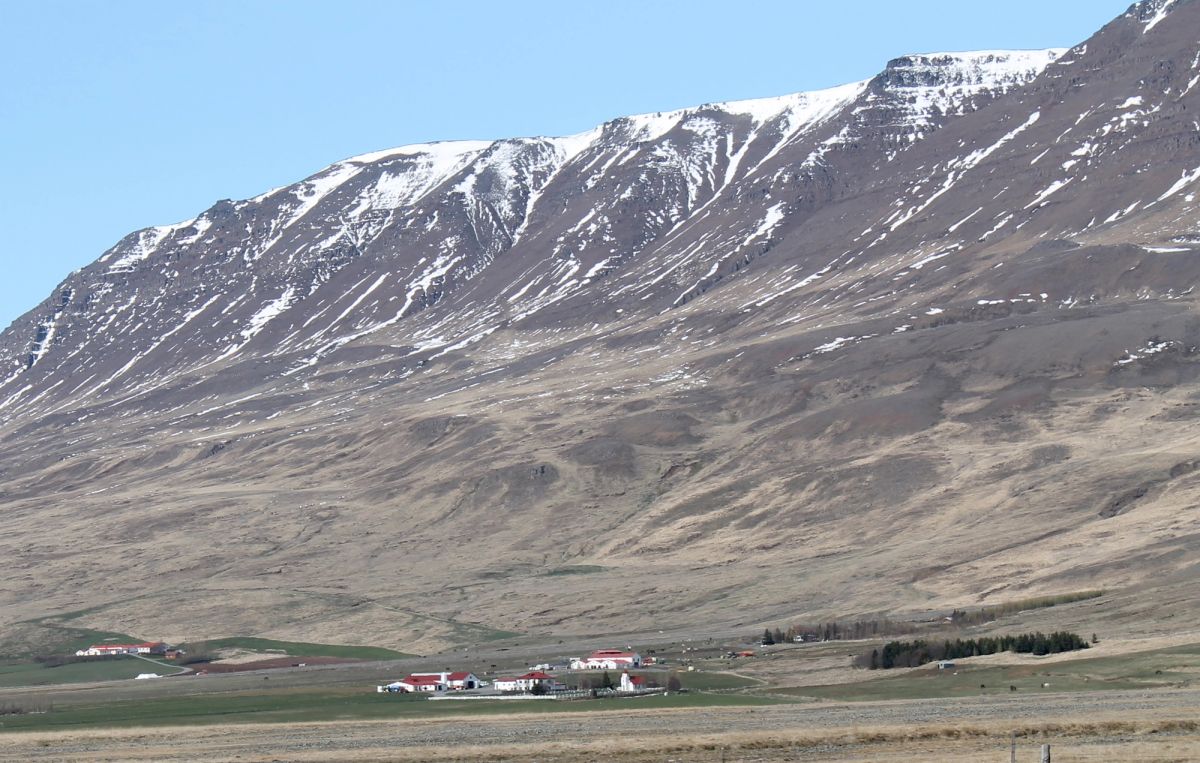
Nestled in the picturesque Skagafjörður valley, overlooked by the impressive, snow-capped mountains that rise dramatically from the landscape, Flugumýri is more than just a farm; it's a living testament to Iceland's tumultuous history and enduring spirit. The site, with its distinctive red-roofed buildings and a charming white church, offers a tangible connection to the past. Historically, Flugumýri was an ancient chieftain's seat, famously associated with Gissur Þorvaldsson during the violent Sturlunga Age in the 13th century. It was here, in 1253, that the infamous 'Flugumýrarbrenna' (Burning of Flugumýri) occurred, a pivotal and tragic event where Gissur's enemies set fire to the farm, resulting in the deaths of 30 people, including his wife and three sons, while Gissur himself survived by hiding in a sour-whey vat. Today, the site has transformed into a vibrant center for tourism and renowned Icelandic horse breeding. Visitors can explore the grounds, soak in the tranquil atmosphere of the valley, and admire the small, historic church, which stands as a symbol of faith and resilience. The rolling hills, partly covered in sparse vegetation and patches of green, leading up to the majestic, dark mountains, provide a stunning backdrop for photography and contemplation. Engage with the local culture, perhaps even witness Icelandic horses grazing in the verdant fields. Flugumýri offers a unique blend of natural beauty, profound history, and authentic Icelandic life, making it a truly memorable stop on any journey through the country's northwest.
Folklore
Story & Folklore
Beneath the stark, snow-dusted peaks, where the land unfolds in shades of brown and green, lies Flugumýri. It's a place where the wind whispers tales of a dramatic past, particularly the infamous 'Flugumýrarbrenna' of 1253. Imagine the scene: a quiet settlement, much like the cluster of red-roofed buildings we see today, suddenly engulfed in flames. Here, chieftain Gissur Þorvaldsson, a powerful figure of the Sturlunga Age, faced his enemies. His home, a prominent chieftain's seat, became a funeral pyre for 30 souls, including his wife and three sons. Amidst the chaos and despair, Gissur himself narrowly escaped, famously hiding in a vat of sour whey. Today, the peaceful fields, where horses graze, and the small white church stand as a poignant reminder of that turbulent era, inviting visitors to reflect on the enduring spirit of Icelanders who rebuilt and persevered.
💡 Did You Know?
Flugumýri is named after Þórir dúfunefs's fastest mare, highlighting Iceland's deep connection to its horses throughout history.
Culture
Stories & Legends
Icelandic sagas and folklore from this area
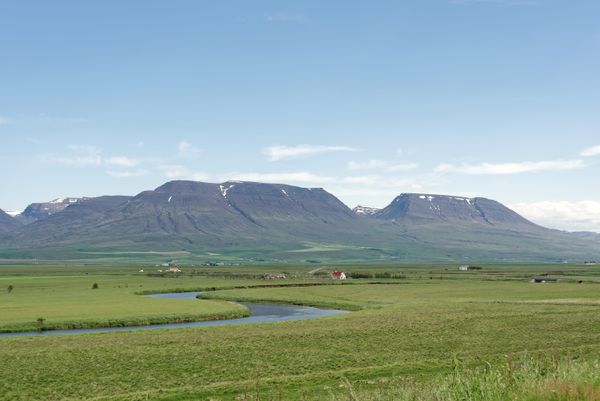
Skagafjörður
Skagafjörður is a historic location in Iceland mentioned in "Finnboga saga ramma", one of the ancient Íslendingasögur (Sagas of Icelanders). These medieval narratives preserve the history of Iceland's Viking Age settlement.
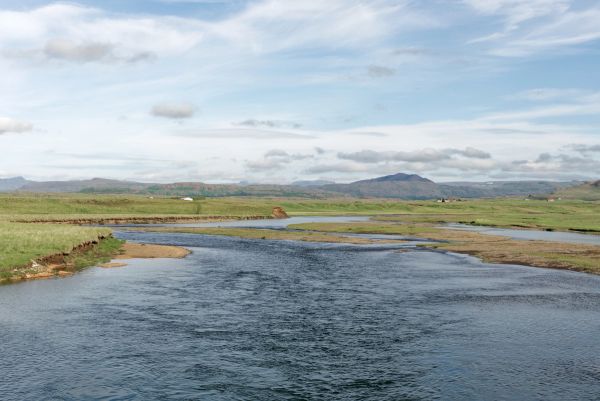
Þverá
Þverá is a historic location in Iceland mentioned in "Laxdæla saga", one of the ancient Íslendingasögur (Sagas of Icelanders). These medieval narratives preserve the history of Iceland's Viking Age settlement.
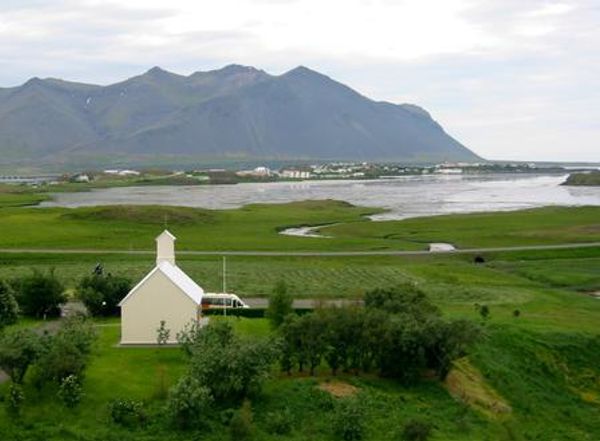
Vallalaug
Vallalaug is a historic location in Iceland mentioned in "Ljósvetninga saga", one of the ancient Íslendingasögur (Sagas of Icelanders). These medieval narratives preserve the history of Iceland's Viking Age settlement.
Explore
Hidden Gems Nearby
✦ Flugumýri Church
The small, white church on the farm grounds, visible in the image, offers a quiet place for reflection and showcases traditional Icelandic church architecture.
It's a peaceful symbol of enduring faith amidst a dramatic historical site.
✦ Icelandic Horse Farm
Witness the majestic Icelandic horses, known for their unique gaits and gentle temperament, grazing in the green pastures of Flugumýri.
Experience authentic Icelandic rural life and connect with these iconic animals.
✦ Viewpoint of the Valley
Find a spot on the surrounding hills to take in the panoramic views of the Skagafjörður valley, with the farm nestled at the foot of the imposing mountains.
Offers breathtaking photographic opportunities and a sense of the vast Icelandic landscape.
Help
Frequently Asked Questions
Location
📍 Location
Discover
Explore Nearby
Places from our database within 1.0 km — all data from Sanity
Loading nearby places…
0 places found within 1.0 km
Plan full itinerary →Explore More