Fjárborg
Fjárborg reveals ancient human settlement in Reykjanes, its rugged stone walls echoing a millennium of Icelandic history.
About
About Fjárborg
Fjárborg reveals ancient human settlement in Reykjanes, its rugged stone walls echoing a millennium of Icelandic history.
Experience a tangible link to Iceland's ancient Norse heritage through remarkably preserved stone structures.
Photos
Photo Gallery
Background
History & Background
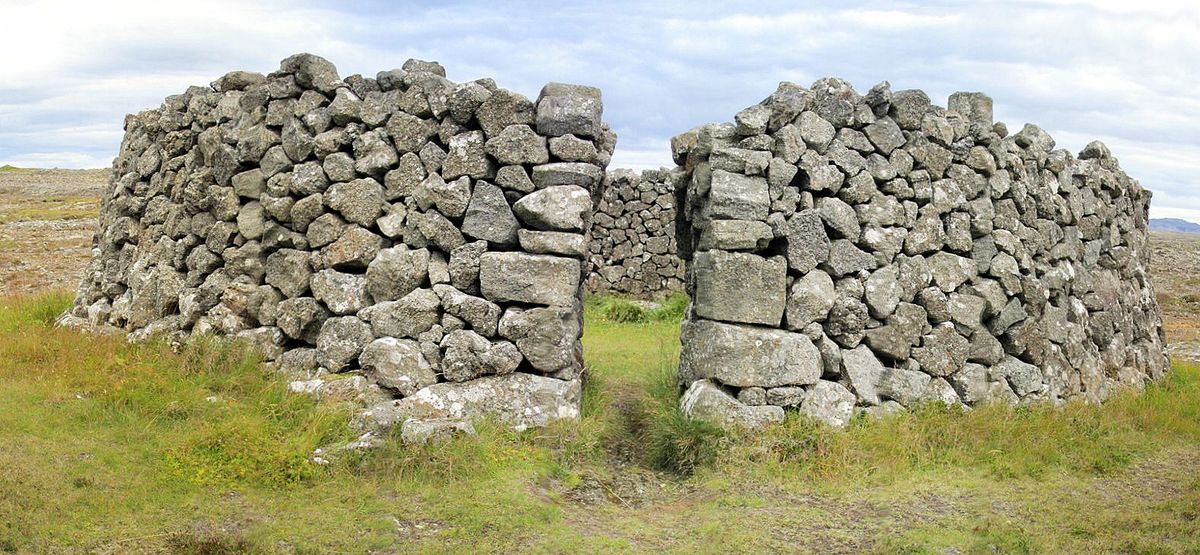
Fjárborg represents a vital link to Iceland's earliest human history, with archaeological evidence suggesting its construction dates back over a thousand years, shortly after the island's initial Norse settlement. These structures, built from local stones without the use of mortar, are prime examples of dry-stone masonry, a common building technique in treeless landscapes where timber was scarce. The resilience and ingenuity required to construct such substantial and enduring enclosures speak volumes about the early settlers' resourcefulness. While the precise original function of Fjárborg is debated, its name, meaning "sheep fortress" or "sheep castle," strongly suggests it served as a protective sheepfold. In a land where livestock was crucial for survival, such structures were essential for sheltering animals from fierce winds and harsh winters. The circular or semi-circular layout, clearly depicted in the image, would have provided maximum structural integrity and protection. Today, Fjárborg stands as a testament to the enduring legacy of the Norse settlers and offers archaeologists invaluable insights into their daily lives, agricultural practices, and building technologies. For visitors, it's a powerful reminder of the deep history embedded within Iceland's dramatic geological landscape, a place where human stories intertwine with ancient forces.
Fjárborg is an extraordinary archaeological site nestled in the dramatic Reykjanes peninsula, offering a profound journey into Iceland's ancient past. This remarkable dry-stacked stone structure, clearly visible with its robust, circular walls and a distinct entrance gap, dates back over a thousand years, providing tangible evidence of early human settlement. The walls, composed of irregularly shaped, grey-toned rocks, show the meticulous craftsmanship of the Norse settlers who built them without mortar, relying on gravity and skill to create enduring shelters. While its exact original purpose is debated, it is widely believed to have served as a sheepfold (Fjárborg literally means "sheep fortress") or a communal enclosure, protecting livestock or perhaps even people from the harsh Icelandic elements. The site is not just a collection of stones; it's a window into the ingenuity and resilience of Iceland's first inhabitants. Visitors can walk around and through the structure, admiring the ancient stonework and imagining life here a millennium ago. The surrounding landscape, often windswept and covered in sparse grasses, enhances the sense of stepping back in time. It's an excellent spot for quiet contemplation and photography, offering panoramic views of the rugged Reykjanes terrain under a vast Icelandic sky, much like the one seen in the image. There are no facilities on site, so come prepared for an outdoor experience.
Folklore
Story & Folklore
Imagine a time when the Reykjanes peninsula was even wilder, windswept and challenging. A thousand years ago, settlers, perhaps seeking shelter from the elements or tending their precious livestock, painstakingly gathered these very stones. Each rough-hewn rock, now weathered and lichen-covered, was carefully placed, one upon another, without mortar, to form the sturdy, circular walls of Fjárborg. Stand within the gap of the entrance, as seen in the image, and feel the whisper of ancient lives carried on the wind. This wasn't just a structure; it was a testament to resilience, a beacon of human endeavor in a raw, untamed land. The sky, often dramatic and cloudy as depicted, would have been their constant companion, overseeing generations who called this rugged place home.
💡 Did You Know?
The robust dry-stacked stone walls of Fjárborg, built without mortar, demonstrate the ingenious building techniques of early Icelandic settlers over a millennium ago.
Culture
Stories & Legends
Icelandic sagas and folklore from this area
Hólmkelsá
Hólmkelsá is a historic location in Iceland mentioned in "Víglundar saga", one of the ancient Íslendingasögur (Sagas of Icelanders). These medieval narratives preserve the history of Iceland's Viking Age settlement.
Hraunskarð
Hraunskarð is a historic location in Iceland mentioned in "Víglundar saga", one of the ancient Íslendingasögur (Sagas of Icelanders). These medieval narratives preserve the history of Iceland's Viking Age settlement.
Ingjaldshóll
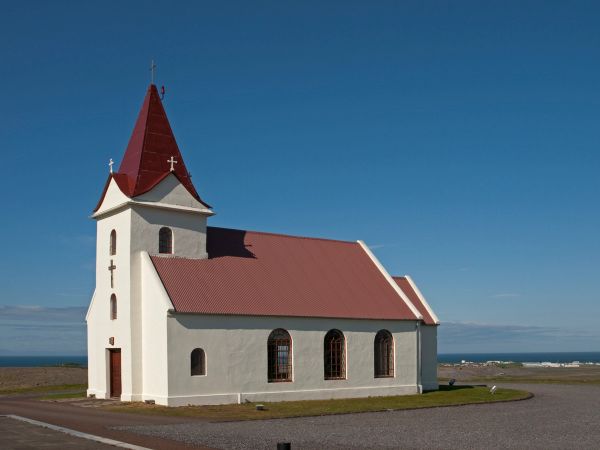
Ingjaldshóll: A historical site linked to a pivotal saga of conflict and settlement.
Rif
Rif is a historic location in Iceland mentioned in "Eyrbyggja saga", one of the ancient Íslendingasögur (Sagas of Icelanders). These medieval narratives preserve the history of Iceland's Viking Age settlement.
Explore
Hidden Gems Nearby
✦ The Panoramic Views
From Fjárborg, enjoy expansive views of the rugged Reykjanes landscape and the distant ocean under the often dramatic Icelandic sky.
Offers stunning photographic opportunities and a profound sense of isolation and history.
✦ The Geological Textures
Take time to observe the unique textures of the volcanic rocks used in the walls, often covered in vibrant green and grey lichens.
Connects the ancient human history of the site with the island's dynamic geological story.
Help
Frequently Asked Questions
Location
📍 Location
Discover
Explore Nearby
Places from our database within 1.0 km — all data from Sanity
Loading nearby places…
0 places found within 1.0 km
Plan full itinerary →Explore More