Fálkahúsið
Fálkahúsið at Hafnarstræti 1–3 preserves the memory of Reykjavík’s royal falcon trade, on a site used to hold Icelandic gyrfalcons before shipment to the Danish…
About
About Fálkahúsið
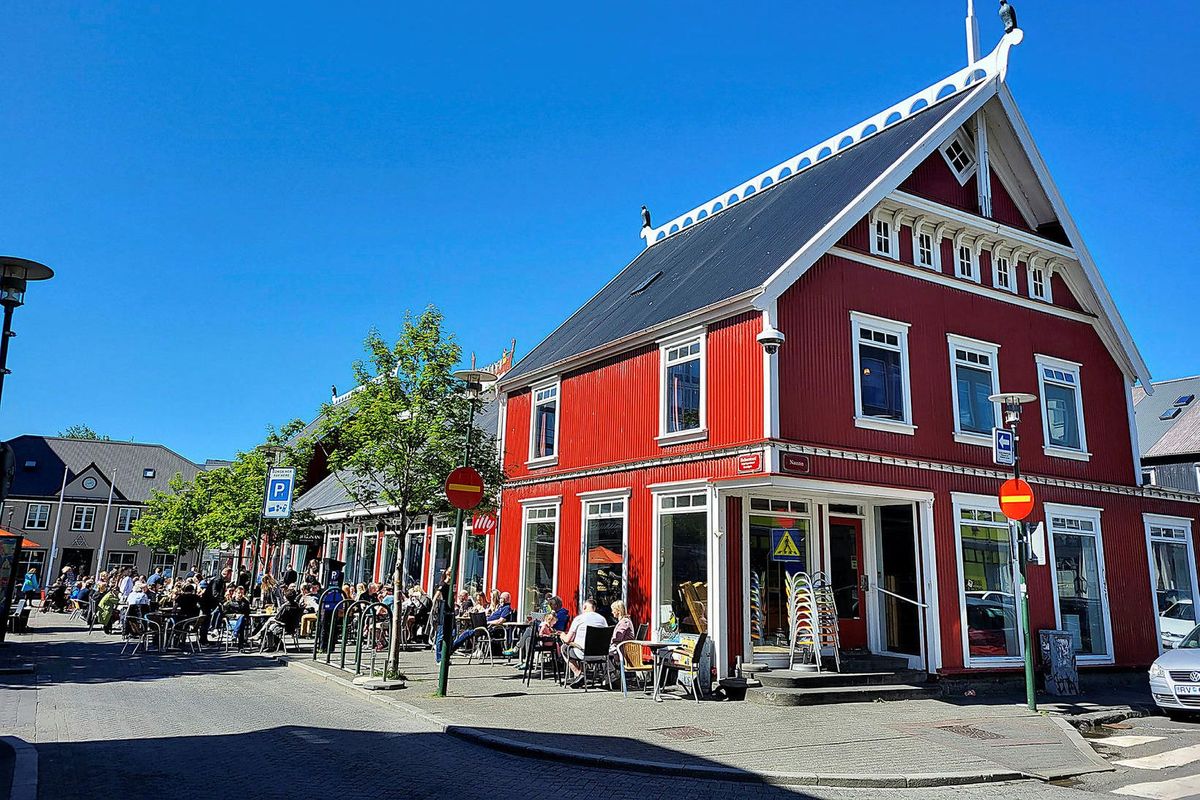
Fálkahúsið at Hafnarstræti 1–3 preserves the memory of Reykjavík’s royal falcon trade, on a site used to hold Icelandic gyrfalcons before shipment to the Danish king.
See a small but remarkable link between old Reykjavík and the royal European trade in Icelandic gyrfalcons.
Photos
Photo Gallery
Background
History & Background
The history behind Fálkahúsið begins before the present building. For centuries Icelandic gyrfalcons were highly prized in European falconry, and the Danish crown organised their collection and export. In 1763 a falcon house at Bessastaðir was moved to Reykjavík and rebuilt by the shoreline, near the present Hafnarstræti 1–3. Falcons captured around Iceland were held there until they could be shipped abroad, while animals used to feed them were kept at Geldinganes. The falcon trade declined around 1800 and the old house was later sold and disappeared, but its name remained attached to the location. The present Fálkahúsið developed in three main building phases. The central timber section was erected in 1868, the eastern section in 1885 and the western section in 1907. Architect Einar Erlendsson designed the 1907 section and the buildings were joined into a more unified whole. Falcon figures on the roof preserve the memory of the earlier royal falcon house. The exterior of Hafnarstræti 1–3 was protected by the Minister of Education on 19 April 1991 under Icelandic heritage law. In later decades the building has housed shops, cafés, bars and restaurants, allowing the historic structure to remain part of everyday life in central Reykjavík.
Fálkahúsið, or the Falcon House, at Hafnarstræti 1–3 is one of Reykjavík’s most distinctive links to the period when Icelandic gyrfalcons were valuable royal commodities. For centuries, Icelandic falcons were coveted by European nobility for falconry. Under Danish rule, birds captured in Iceland were collected and prepared for transport abroad, where they could serve as royal gifts as well as hunting birds. In 1763 a falcon house from Bessastaðir was moved to Reykjavík and rebuilt on the gravel shoreline near what is now the western end of Hafnarstræti. The birds were kept there before shipment to Denmark, while livestock used as feed was kept at Geldinganes. The organised export declined around the beginning of the 19th century and the original falcon house was later sold and eventually disappeared. The current building is therefore not the original 18th-century falcon storehouse, but it inherited the name and the memory of the site. The present timber complex was created in several stages. According to Iceland’s Cultural Heritage Agency, the central section was built in 1868, the eastern section in 1885 and the western section in 1907. Architect Einar Erlendsson designed the western addition and helped bring the three parts together as a unified composition. The falcon figures attached to the roof deliberately refer back to the earlier use of the site. The exterior was formally protected in 1991. Fálkahúsið is especially rewarding as part of a walking route through old Reykjavík. It sits close to Aðalstræti, Grjótaþorpið, Ingólfstorg and the Old Harbour, so a short stop here can be placed within a much broader story of Reykjavík’s development from shoreline trading settlement to capital city. Its significance lies not only in the architecture, but in the surprising global story behind the name: live Icelandic birds once moved from this small corner of Reykjavík into the courts of Europe.
Folklore
Story & Folklore
Long before Reykjavík became a modern capital, Icelandic gyrfalcons were among the country’s most prestigious exports. Powerful rulers and aristocrats across Europe prized the birds for falconry, and Iceland was known for exceptionally sought-after hunting falcons. In 1763 a falcon house that had stood at Bessastaðir was moved to Reykjavík and rebuilt near the shoreline where the western end of Hafnarstræti is today. Captured falcons were kept there while awaiting transport to Denmark, and livestock used to feed them was kept at Geldinganes. The royal falcon trade declined around the beginning of the 19th century, and the old falcon house was eventually sold and disappeared. Yet the memory of it remained fixed to the site. The present timber buildings were constructed and enlarged between 1868 and 1907, eventually forming the complex now called Fálkahúsið. Decorative wooden falcons on the roof deliberately preserve the connection. What looks at first like a charming old Reykjavík building therefore opens a window onto a much older story of royal privilege, wildlife, trade and Iceland’s place within the Danish realm.
💡 Did You Know?
The present Fálkahúsið is not the original falcon house moved from Bessastaðir in 1763; today's building was constructed in stages from 1868 to 1907.
Culture
Stories & Legends
Icelandic sagas and folklore from this area
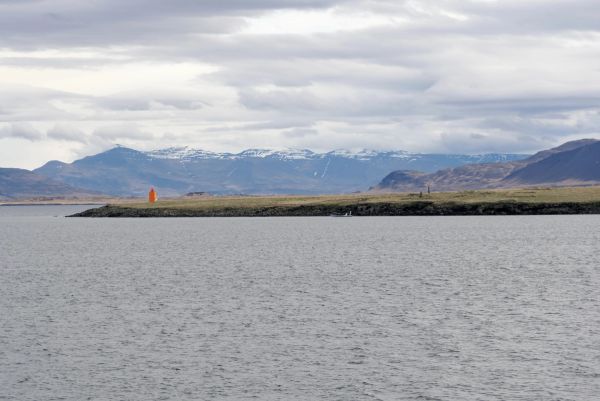
Engey
Engey is a historic location in Iceland mentioned in "Njáls saga", one of the ancient Íslendingasögur (Sagas of Icelanders). These medieval narratives preserve the history of Iceland's Viking Age settlement.
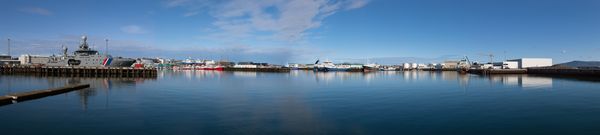
Reykjavík
Reykjavík is a historic location in Iceland mentioned in "Harðar saga og Hólmverja", one of the ancient Íslendingasögur (Sagas of Icelanders). These medieval narratives preserve the history of Iceland's Viking Age settlement.
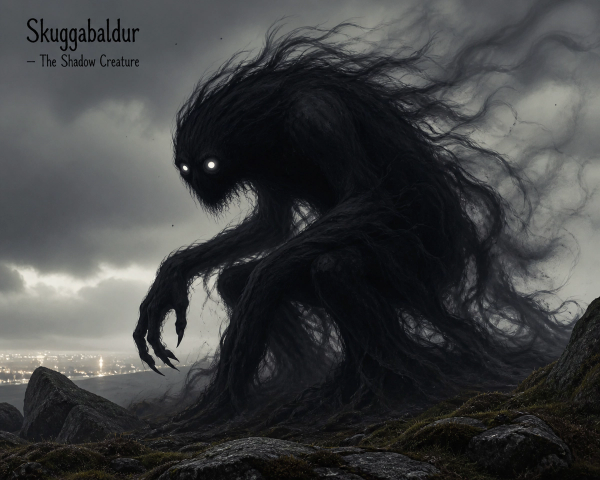
Skuggabaldur – The Shadow Creature
Skuggabaldur: A phantom dog guarding forgotten paths.
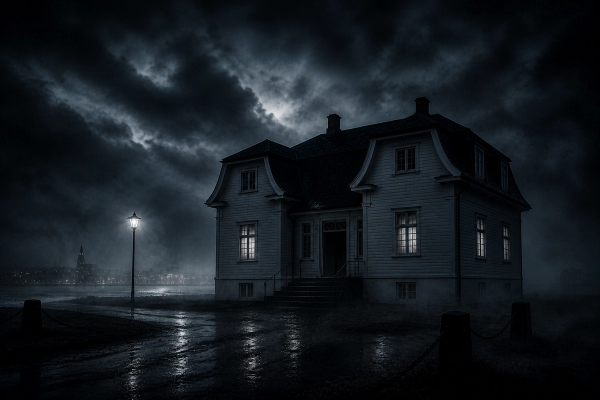
Höfði House – Reykjavík's Haunted Mansion
Höfði House: Reykjavík's historic mansion with a chilling paranormal past.
Explore
Hidden Gems Nearby
✦ Falcon details
Look closely at the falcon motifs associated with the building, which preserve the memory behind the Fálkahúsið name.
They make the otherwise easy-to-pass historic building much more meaningful once you know the story of Iceland's royal falcon trade.
Help
Frequently Asked Questions
Location
📍 Location
Discover
Explore Nearby
Places from our database within 1.0 km — all data from Sanity
Loading nearby places…
0 places found within 1.0 km
Plan full itinerary →Explore More