
Execution Oidmann
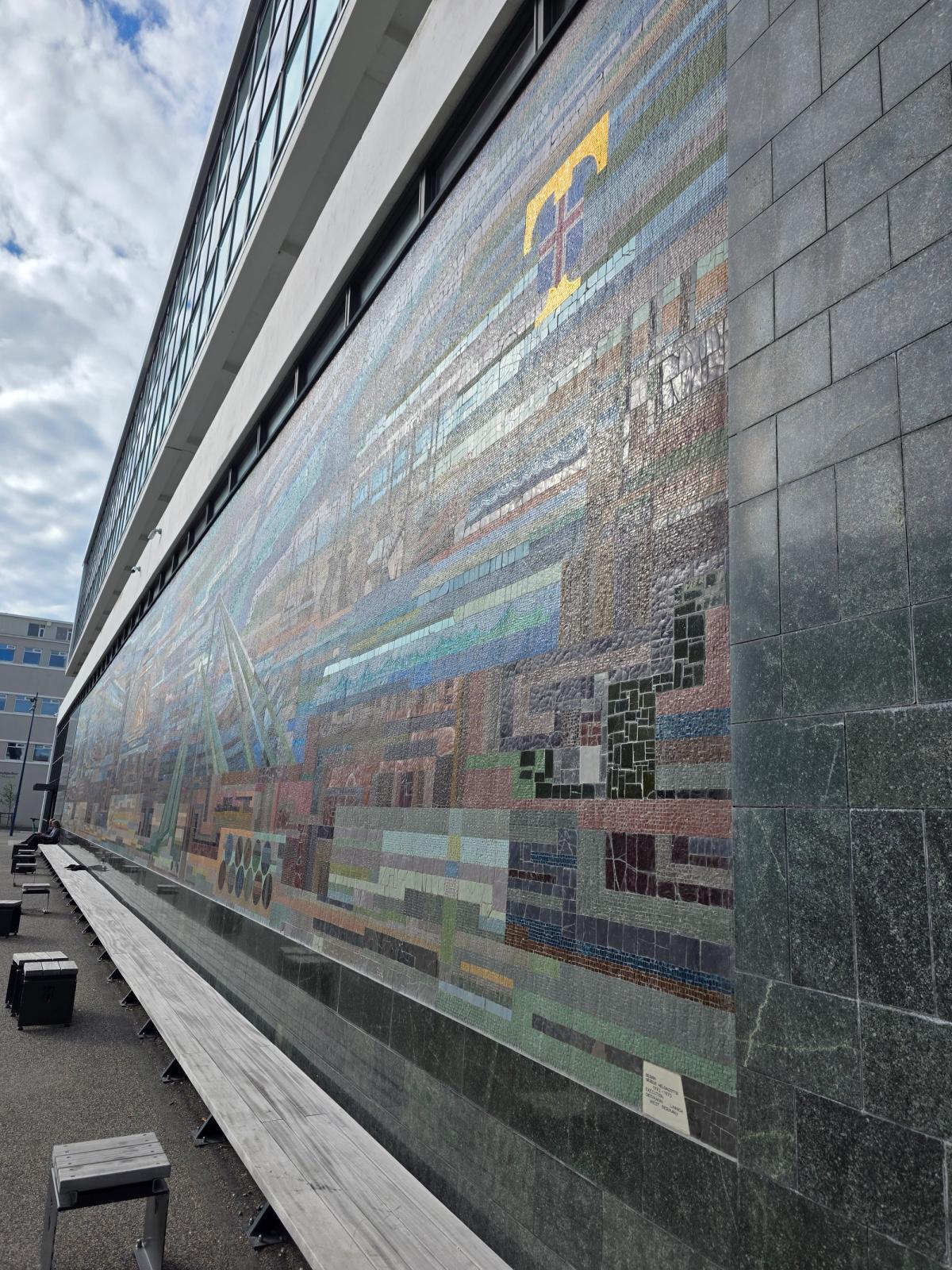
Discover a vibrant, massive mosaic mural by Gerður Helgadóttir, a hidden gem of Icelandic art.
について
Execution Oidmannについて
Discover a vibrant, massive mosaic mural by Gerður Helgadóttir, a hidden gem of Icelandic art.
Marvel at one of Iceland's largest and most significant public art installations, rich in color and detail.
Execution Oidmann近くのツアー
Private Reykjavik LGBTQ+ City Walk
Your Friend in Reykjavik · 3 hours
Private Reykjavik City Tour
Icelimo Luxurytravel · 4 hours

Private 3 hour Reykjavik Driving Tour
Your Friend in Reykjavik · 3 hours
Private Reykjavik Shopping & Sightseeing Walking Tour
Your Friend in Reykjavik · 3 hours
写真
ギャラリー
背景
歴史と背景
The mosaic was designed by one of Iceland's most significant modern artists, Gerður Helgadóttir (1928-1975). Known for her innovative approach to sculpture and her pioneering work with stained glass and mosaics, Helgadóttir left a lasting legacy on Icelandic art. Her design for this particular mural, created between 1972 and 1973, was an ambitious project intended to integrate art directly into the urban environment. Due to the specialized nature of mosaic execution on such a grand scale, the actual fabrication of the artwork was entrusted to the renowned German firm Oidtmann Lünnich, located in West Germany at the time. This collaboration highlights the international scope of artistic production and the pursuit of high-quality craftsmanship, even across national borders. Today, the mosaic stands as a vibrant monument to Helgadóttir's artistic vision and the technical skill involved in its creation. It serves as a reminder of a specific era in Icelandic art and architecture, where public spaces were increasingly seen as canvases for grand artistic statements, enriching the daily lives of citizens and visitors alike.
The "Execution Oidmann" refers to the masterful creation of this immense mosaic mural, a prominent feature on a building in downtown Reykjavík. Designed by the celebrated Icelandic sculptor and mosaic artist Gerður Helgadóttir between 1972 and 1973, this artwork is a testament to her vision and the collaborative spirit of international craftsmanship. The mural, stretching along a significant portion of the building's facade, is a tapestry of countless small, colorful tiles. From a distance, it presents an abstract landscape, hinting at Iceland's rugged terrain, its maritime traditions, and industrial elements, with vibrant blues, greens, and earthy tones dominating the palette. A distinct yellow 'F' or similar symbol can be observed near the top, possibly representing a specific theme or institution. Up close, the detail is astonishing, revealing the meticulous placement of each tile by the German firm Oidtmann Lünnich. The mosaic reflects the light beautifully, changing its appearance throughout the day and with varying weather conditions, offering a fresh perspective with every visit. Benches line the sidewalk in front of the mural, providing a perfect spot for visitors to sit, relax, and immerse themselves in the intricate details and grand scale of this remarkable piece of public art. It's not merely a decoration but a vibrant narrative etched into the city's urban fabric.
民話
物語と民話
Imagine the bustling streets of Reykjavík in the early 1970s, as a vision of vibrant art began to take shape. Gerður Helgadóttir, a pioneering Icelandic artist, poured her soul into a design that would capture the essence of her homeland – its dramatic landscapes, the rhythm of its industries, and the enduring spirit of its people. This wasn't a small canvas; it was a colossal undertaking, a mosaic mural destined to adorn a major city building. The intricate execution, however, required the specialized hands of Oidtmann Lünnich in West Germany. Each tiny piece of glass, carefully selected and placed, traveled across oceans to find its permanent home here. Today, standing before this magnificent wall, one can almost feel the journey of those tiles, and the artistic dedication that brought this monumental work to life, a testament to international collaboration and enduring Icelandic creativity.
ご存知ですか?
The mosaic was designed by renowned Icelandic artist Gerður Helgadóttir in 1972-1973 but meticulously crafted in West Germany.
文化
物語と伝説
この地域のアイスランドのサガと民話
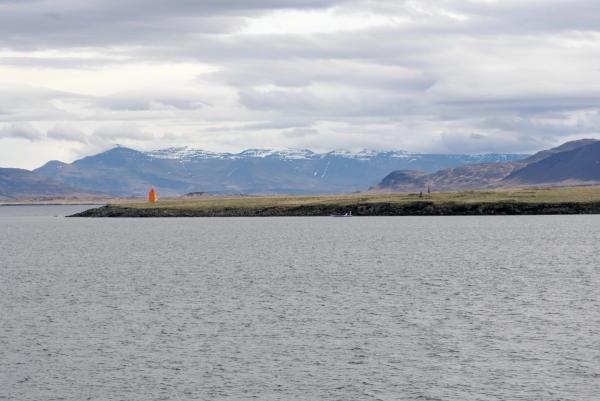
Engey
Engey is a historic location in Iceland mentioned in "Njáls saga", one of the ancient Íslendingasögur (Sagas of Icelanders). These medieval narratives preserve the history of Iceland's Viking Age settlement.
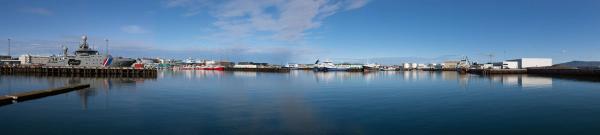
Reykjavík
Reykjavík is a historic location in Iceland mentioned in "Harðar saga og Hólmverja", one of the ancient Íslendingasögur (Sagas of Icelanders). These medieval narratives preserve the history of Iceland's Viking Age settlement.
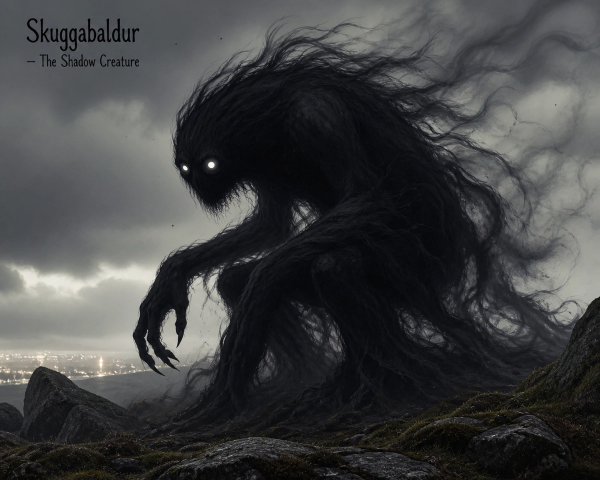
Skuggabaldur – The Shadow Creature
Skuggabaldur: A phantom dog guarding forgotten paths.
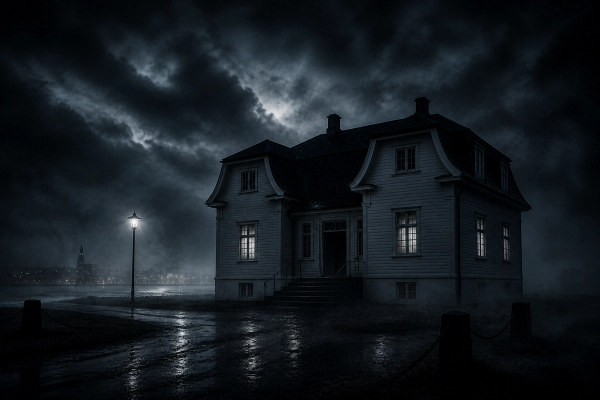
Höfði House – Reykjavík's Haunted Mansion
Höfði House: Reykjavík's historic mansion with a chilling paranormal past.
ヘルプ
よくある質問
場所
場所
Discover
Explore Nearby
Places from our database within 5.0 km — all data from Sanity
Loading nearby places…
0 places found within 5.0 km
Plan full itinerary →もっと探索