
Einar Jónsson Museum — Iceland's Symbolic Sculptor
Explore Iceland's first public art museum, home to Einar Jónsson's monumental symbolic sculptures.
について
Einar Jónsson Museum — Iceland's Symbolic Sculptorについて
Explore Iceland's first public art museum, home to Einar Jónsson's monumental symbolic sculptures.
Experience Iceland's greatest symbolic sculptor's work in his original home and a free, open-air garden.
Einar Jónsson Museum — Iceland's Symbolic Sculptor近くのツアー
Private Reykjavik LGBTQ+ City Walk
Your Friend in Reykjavik · 3 hours
Private Reykjavik City Tour
Icelimo Luxurytravel · 4 hours
Private 3 hour Reykjavik Driving Tour
Your Friend in Reykjavik · 3 hours
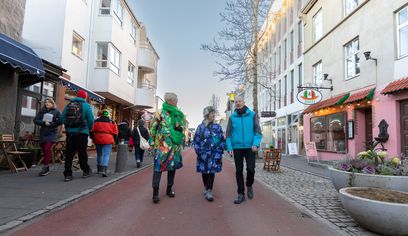
Private Reykjavik Shopping & Sightseeing Walking Tour
Your Friend in Reykjavik · 3 hours
写真
ギャラリー
背景
歴史と背景
Einar Jónsson (1874–1954) was a pivotal figure in Icelandic art, recognized as the nation's first professional sculptor. Born in Galtafell, Þórsmörk, he displayed artistic promise from a young age, leading him to secure a scholarship for studies in Copenhagen and Rome. These international experiences molded his monumental and symbolic style, yet his heart remained deeply rooted in his Icelandic heritage. Upon his return, Jónsson dedicated his life to creating a body of work that fused Nordic mythology, Christian symbolism, and Icelandic folklore, establishing a unique visual language for the country. His foresight extended beyond his art; he designed and built his own home and studio on Eiríksgata in 1923. He negotiated with the Icelandic state, donating his entire life's work on the condition that this building would become a museum after his passing. This vision materialized with the inauguration of the Einar Jónsson Museum, Iceland's first public art museum, on June 24, 1923. He continued to live and work in the building on Skólavörðuhæð in Reykjavík until his death in 1954, leaving behind over 150 major works and a lasting cultural legacy.
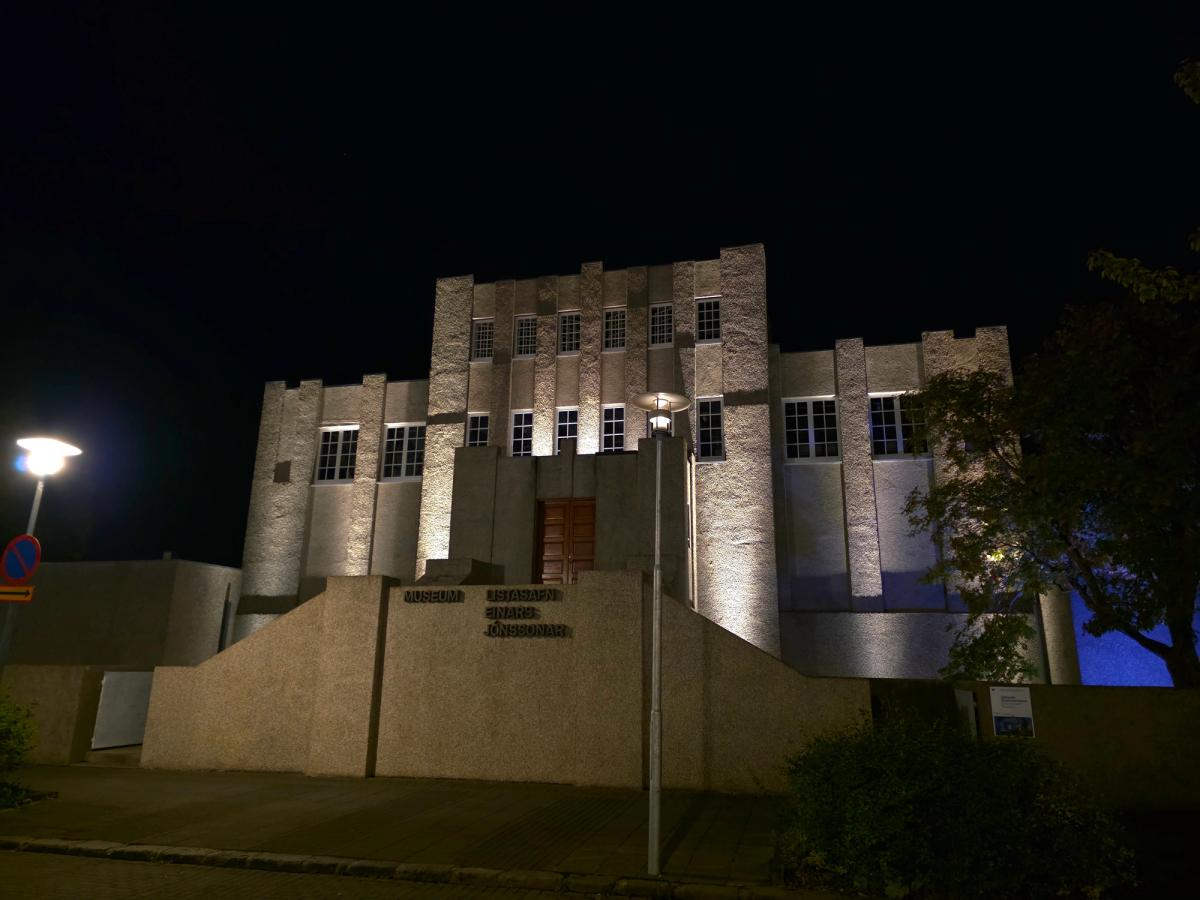
The Einar Jónsson Museum, or Listasafn Einars Jónssonar, located on Skólavörðuhæð in Reykjavík, is a testament to Iceland's pioneering sculptor, Einar Jónsson (1874–1954). Visually striking, especially when illuminated at night as seen in the image, its sturdy, stepped architecture reflects the monumental quality of the art it houses. Born in south Iceland, Jónsson studied abroad before returning to establish a unique visual language for his homeland. His works delve into Norse mythology, Christian iconography, and universal human themes of struggle, love and transcendence, rendered in a powerful Symbolist style dense with hidden meaning and emotional depth. Jónsson's vision extended to his home and studio, which he designed and built on Eiríksgata in 1923, stipulating it would become a museum after his death. This landmark institution, Iceland's first public art museum, opened its doors on June 24, 1923. It meticulously preserves his studio, personal effects, and over 150 major works. The highlight for many is the enclosed sculpture garden behind the building, featuring 26 large bronze castings. This garden is a true cultural gem: free to enter and open year-round, offering an unparalleled opportunity to engage with Jónsson's most significant pieces, including the renowned 'Outlaws.' Located conveniently beside the majestic Hallgrímskirkja, the museum offers a profound, often serene, cultural experience in the heart of Reykjavík.
民話
物語と民話
Stepping into the illuminated grounds of the Einar Jónsson Museum at night, as captured in the image, one feels the profound legacy of Iceland's first professional sculptor. Jónsson, a visionary who blended Norse myth, Christian theology, and local folklore, designed this very building with its distinctive stepped facade as his home and studio in 1923. He gifted his entire life's work to the Icelandic nation, ensuring this unique space would forever house his deeply personal and monumental bronzes. The enclosed sculpture garden, free to all, invites quiet contemplation among 26 powerful castings, including the famous 'Outlaws,' a poignant allegory for the Icelandic spirit. It's a journey into a private universe, simultaneously ancient and intensely personal, nestled right beside the iconic Hallgrímskirkja.
ご存知ですか?
Inaugurated on June 24, 1923, the Einar Jónsson Museum was Iceland's first public art museum, housing his iconic 'Outlaws' sculpture.
文化
物語と伝説
この地域のアイスランドのサガと民話
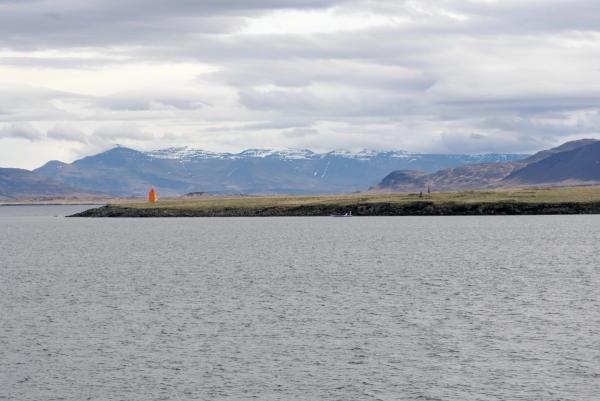
Engey
Engey is a historic location in Iceland mentioned in "Njáls saga", one of the ancient Íslendingasögur (Sagas of Icelanders). These medieval narratives preserve the history of Iceland's Viking Age settlement.
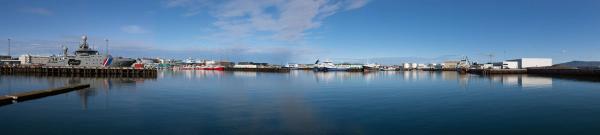
Reykjavík
Reykjavík is a historic location in Iceland mentioned in "Harðar saga og Hólmverja", one of the ancient Íslendingasögur (Sagas of Icelanders). These medieval narratives preserve the history of Iceland's Viking Age settlement.
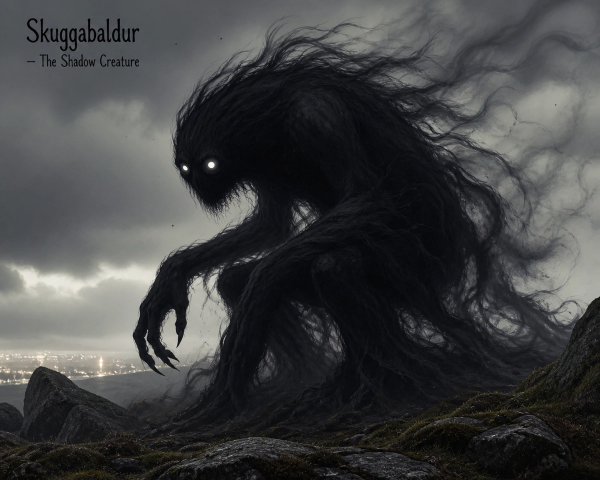
Skuggabaldur – The Shadow Creature
Skuggabaldur: A phantom dog guarding forgotten paths.
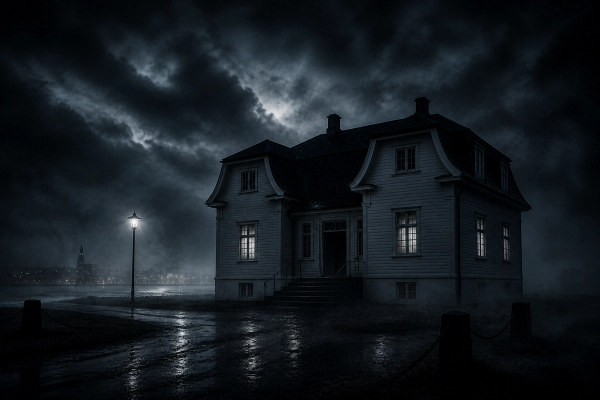
Höfði House – Reykjavík's Haunted Mansion
Höfði House: Reykjavík's historic mansion with a chilling paranormal past.
探索
近くの隠れた名所
Outlaws — The Masterpiece
Seek out 'Útlagarnir' (Outlaws) in the garden: a man carrying a woman on his back across a desolate landscape. It's one of the most emotionally overwhelming artworks in Iceland.
The Studio
Inside the museum, Jónsson's original studio has been preserved exactly as he left it — the sense of a creative life still present in a room is palpable.
ヘルプ
よくある質問
場所
場所
Discover
Explore Nearby
Places from our database within 5.0 km — all data from Sanity
Loading nearby places…
0 places found within 5.0 km
Plan full itinerary →もっと探索