Efri-Núpskirkja
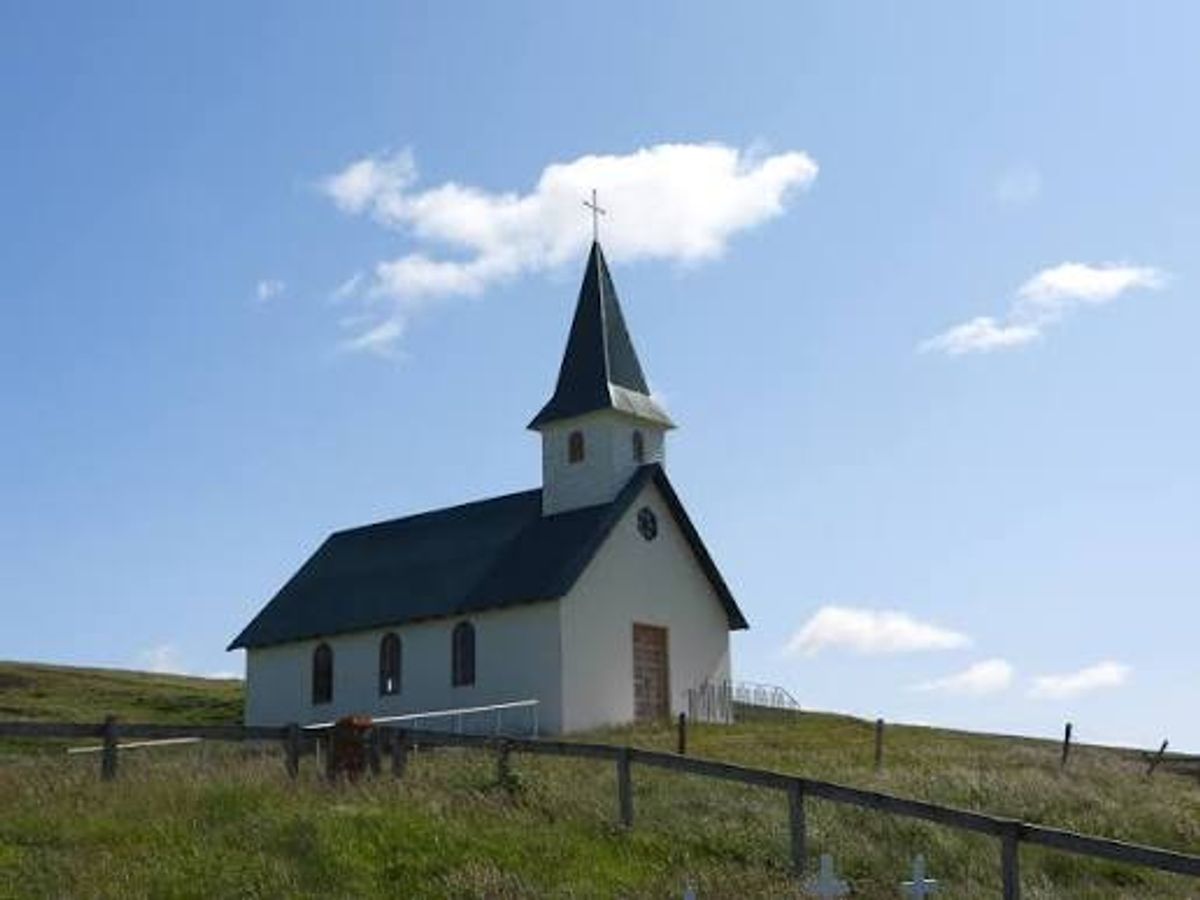
Perched on a grassy hill, Efri-Núpskirkja is a historic white church and ancient site in North Iceland.
About
About Efri-Núpskirkja
Perched on a grassy hill, Efri-Núpskirkja is a historic white church and ancient site in North Iceland.
Experience a serene historic church and ancient site, reflecting Iceland's enduring cultural heritage.
Photos
Photo Gallery
Background
History & Background
Efri-Núpskirkja is situated on an ancient church site at Efri-Núpur, a farm in Núpsdalur, which has been a spiritual center for centuries. Its historical importance is highlighted by its role as a significant stopping point for travelers, once a 10-hour journey from Borgarfjörður across the Arnarvatnsheiði, which underscores its historical relevance in facilitating travel and community connections in past eras. The site's rich history includes its acquisition by Jón Arason, Bishop of Hólar, in 1535. From the pre-Reformation period, a church bell cast in 1510 is remarkably preserved, along with another bell from 1734. The churchyard holds particular historical weight as the final resting place of the esteemed Icelandic poet Vatnsenda-Rósa, who spent her last night here on September 28, 1855, and is buried within the grounds. The current concrete church building was constructed in 1960 and consecrated in 1961, replacing an earlier timber church from 1883. This modern structure continues the long tradition of worship at Efri-Núpur. Inside, the altar painting, depicting Jesus blessing the children, was created by Eggert Guðmundsson, further adding to the church's artistic and spiritual value.
Nestled gracefully on a verdant hill overlooking the serene landscapes of Núpsdalur in North Iceland, Efri-Núpskirkja is a captivating blend of history, faith, and natural beauty. This ancient church site, part of the Melstaðarprestakall in Húnavatnsprófastsdæmi, has been a significant spiritual and social hub for centuries. Historically, Efri-Núpur served as a crucial resting place for travelers, noted as a ten-hour walk south across Arnarvatnsheiði to Borgarfjörður, indicating its importance in past Icelandic travel routes. The current church building, a striking concrete structure with pristine white walls and a contrasting dark steeple, was consecrated in 1961, replacing a timber church from 1883. Its simple yet elegant design features arched windows and a prominent cross atop its spire, standing out against the often dramatic Icelandic sky. Inside, visitors can admire the altar painting by Eggert Guðmundsson, depicting Jesus blessing the children. A remarkable historical artifact, a church bell cast in 1510, is preserved here, alongside another from 1734, offering a tangible connection to the pre-Reformation era. The churchyard holds profound historical significance as the final resting place of the beloved Icelandic poet Vatnsenda-Rósa, who passed away here on September 28, 1855. Her grave, marked by simple white crosses, invites quiet contemplation. The surrounding landscape, with its rolling green hills and distant fences, provides a tranquil backdrop for reflection. Efri-Núpskirkja is more than just a church; it's a testament to Iceland's enduring cultural and religious heritage, offering visitors a peaceful retreat and a rich historical narrative in a beautiful, remote setting.
Folklore
Story & Folklore
Imagine a journey across vast Icelandic landscapes, where travelers once sought solace and rest. Perched on a gentle, grassy slope under a wide blue sky, Efri-Núpskirkja stands as a beacon of history in North Iceland. For centuries, this ancient church site served as a vital stopping point, a ten-hour walk from Borgarfjörður settlements across the Arnarvatnsheiði. It was here, amidst the quiet serenity, that the renowned poet Vatnsenda-Rósa found her final overnight stay in 1855, her grave now residing in the tranquil churchyard marked by humble white crosses visible beyond the wooden fence. The church itself, with its crisp white walls and striking dark steeple, houses a bell cast in 1510, a tangible link to a bygone era before the current concrete structure was built in 1960. Visiting Efri-Núpskirkja is not just about seeing a building; it's about stepping into a narrative of faith, poetry, and the enduring spirit of Icelandic travel.
💡 Did You Know?
Efri-Núpskirkja holds a bell cast in 1510, predating its current 1960 structure, and marks the final resting place of poet Vatnsenda-Rósa.
Culture
Stories & Legends
Icelandic sagas and folklore from this area
Gnúpur (nú Efri-Núpur)
Gnúpur (nú Efri-Núpur) is a historic location in Iceland mentioned in "Grettis saga", one of the ancient Íslendingasögur (Sagas of Icelanders). These medieval narratives preserve the history of Iceland's Viking Age settlement.

Tunga (nú Núpsdalstunga)
Tunga (now Núpsdalstunga): A farm entwined with family feuds and saga events.
Explore
Hidden Gems Nearby
✦ The 1510 Church Bell
Discover one of Iceland's oldest preserved church bells, cast in 1510, offering a rare glimpse into pre-Reformation craftsmanship and history.
It's a tangible link to centuries of faith, predating the current church structure.
✦ Vatnsenda-Rósa's Grave
Seek out the humble grave of Vatnsenda-Rósa, a celebrated Icelandic poet, in the churchyard, marking her final resting place.
It connects visitors to a significant figure in Icelandic literary history.
✦ Ancient Traveler's Route View
From the church's vantage point, imagine the ancient 10-hour walking route across Arnarvatnsheiði, as Efri-Núpur was a crucial resting spot.
This view offers insight into the historical importance of the location as a hub for early Icelandic travelers.
Help
Frequently Asked Questions
Location
📍 Location
Discover
Explore Nearby
Places from our database within 1.0 km — all data from Sanity
Loading nearby places…
0 places found within 1.0 km
Plan full itinerary →Explore More