Djúpadalsárvirkjun I og II
Witness Iceland's ingenuity where powerful nature meets sustainable energy at Djúpadalsárvirkjun I og II.
At a Glance
Visit time
30-45 minutes for viewing the power plant and enjoying the immediate surroundings.
Best season
Late Spring to Early Autumn (May-September) for best weather and accessibility.
Access
Accessible via a paved or well-maintained gravel road. A standard car is sufficient. Parking is available near the viewing platform.
GPS
65.4889, -18.1809
About
About Djúpadalsárvirkjun I og II
Witness Iceland's ingenuity where powerful nature meets sustainable energy at Djúpadalsárvirkjun I og II.
Experience the impressive synergy of human innovation and raw Icelandic nature, powering the nation sustainably.
Photos
Photo Gallery
Background
History & Background
The development of Djúpadalsárvirkjun I and II marks a significant milestone in Iceland's private energy sector. Construction efforts for Djúpadalsvirkjun I commenced in April 2004, laying the groundwork for what would become a crucial component of the regional power supply. Following its successful completion, work on Djúpadalsvirkjun II began, reaching its conclusion in September 2008. These twin power plants are notable for being the largest privately owned hydroelectric facilities in Iceland. They harness the flow of the Djúpadalsá river, which is dammed above a natural gorge to create a reservoir. The engineering marvel includes a canal that directs water to an intake structure, followed by a 900-meter long penstock that feeds the water to the power station, housing two generator sets. Djúpadalsvirkjun I contributes 1800 kW to the grid, while Djúpadalsvirkjun II adds another 900 kW, showcasing a blend of innovative engineering and sustainable resource management.
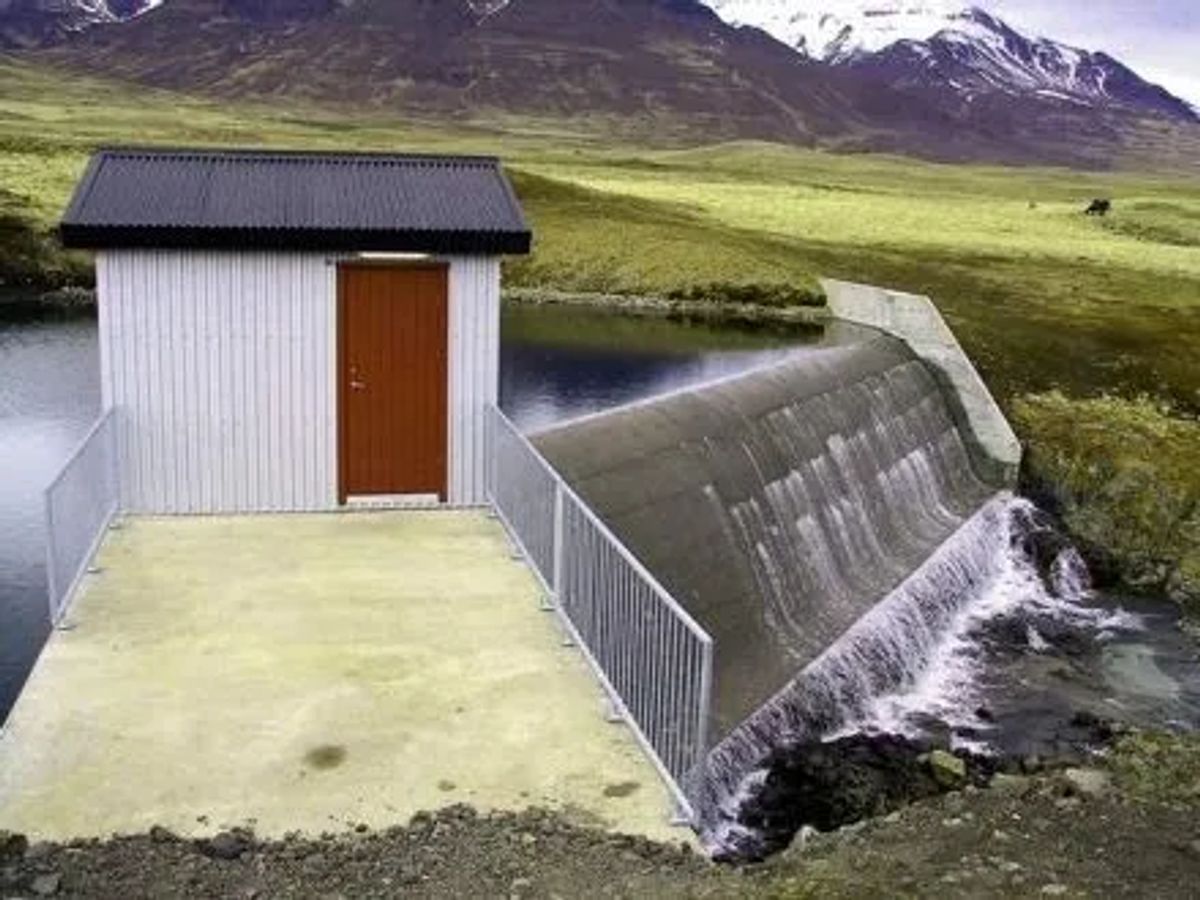
Djúpadalsárvirkjun I og II stands as a compelling example of Iceland's pioneering spirit in renewable energy, beautifully integrated into the dramatic landscape of North Iceland. Comprising two distinct hydroelectric power plants, this site represents the largest privately owned energy projects in the country. Construction for Djúpadalsvirkjun I began in April 2004, with Djúpadalsvirkjun II completed by September 2008. Visitors can observe the modest, white-clad power station, featuring a dark roof and a striking brown door, situated on a concrete platform overlooking the dam. The Djúpadalsá river is skillfully dammed above a gorge, forming a serene reservoir. Water is then guided through a canal to an intake structure, from where a 900-meter penstock channels it to the power station, where two generator sets produce electricity. Djúpadalsvirkjun I boasts a capacity of 1800 kW, while Djúpadalsvirkjun II contributes 900 kW. The visual spectacle of water cascading over the concrete weir, set against a backdrop of vibrant green hills and majestic snow-capped mountains, offers a unique photo opportunity. It’s a place where the power of nature is harnessed for sustainable living, providing a quiet yet profound insight into Iceland's energy landscape.
Folklore
Story & Folklore
Imagine driving through the serene landscapes of North Iceland, with emerald hills rising to meet distant, snow-dusted mountains. Suddenly, the quiet hum of nature is joined by the gentle roar of cascading water. You arrive at Djúpadalsárvirkjun, a testament to Icelandic ingenuity. The crisp air carries the scent of fresh water as you step onto the concrete platform, flanked by sturdy railings, leading to a modest white power station. Before you, the Djúpadalsá river, once wild and untamed, now flows gracefully over a concrete weir, creating a mesmerizing curtain of white foam. Above, a tranquil reservoir reflects the vast sky, while below, the river rushes onward, having surrendered its energy to power homes and industries. It's a powerful scene, where the raw force of water is tamed and transformed, a silent symphony of progress in harmony with the wild.
💡 Did You Know?
Djúpadalsárvirkjun I and II are Iceland's largest privately owned hydroelectric power plants, contributing significantly to the nation's green energy grid since 2008.
Culture
Stories & Legends
Icelandic sagas and folklore from this area
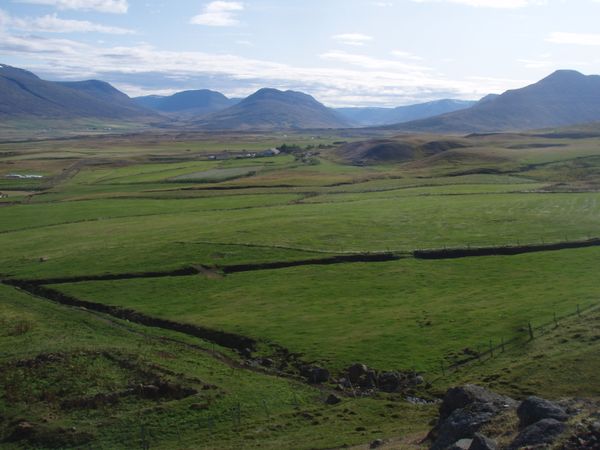
Möðrufell
Möðruvellir: A place of learning and ancient lore.
Öxnafell
Öxnafell is a historic location in Iceland mentioned in "Víga-Glúms saga", one of the ancient Íslendingasögur (Sagas of Icelanders). These medieval narratives preserve the history of Iceland's Viking Age settlement.
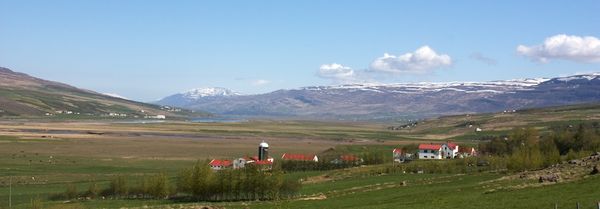
Rifkelsstaðir
Rifkelsstaðir is a historic location in Iceland mentioned in "Víga-Glúms saga", one of the ancient Íslendingasögur (Sagas of Icelanders). These medieval narratives preserve the history of Iceland's Viking Age settlement.
Explore
Hidden Gems Nearby
✦ Djúpadalsgljúfur (Djúpadalur Gorge)
Just above where the river is dammed, you'll find the natural gorge of Djúpadalsá. This geological feature offers dramatic views of the river cutting through ancient rock formations.
It provides a stunning natural contrast to the engineered beauty of the power plant and highlights the river's raw power.
✦ Surrounding Hiking Trails
The area around Djúpadalur is rich with gentle hiking opportunities through green pastures and towards the base of the mountains. Explore the serene Icelandic countryside on foot.
Offers a chance to immerse yourself in the tranquil, remote beauty of North Iceland beyond the power plant itself.
Help
Frequently Asked Questions
Location
📍 Location
Discover
Explore Nearby
Places from our database within 1.0 km — all data from Sanity
Loading nearby places…
0 places found within 1.0 km
Plan full itinerary →Explore More