
Dimmugljúfur og Hafrahvammagljúfur
Iceland's deepest canyons, Dimmugljúfur and Hafrahvammagljúfur, a dramatic geological masterpiece.
概要
訪問時間
Allow 2-4 hours to drive to the viewpoints, explore the immediate area, and potentially hike down into Hafrahvamma.
最適な季節:
Summer (June-September) for accessible F-roads and best weather conditions.
アクセス
Access is primarily via F-roads (mountain roads) which require a 4WD vehicle. Roads are typically only open during summer. Be prepared for remote conditions and check road conditions before travel.
GPS
64.9825, -15.7469
について
Dimmugljúfur og Hafrahvammagljúfurについて
Iceland's deepest canyons, Dimmugljúfur and Hafrahvammagljúfur, a dramatic geological masterpiece.
Dimmugljúfur og Hafrahvammagljúfurへレンタカーで
車で訪れる予定ですか?地域に合う車種を比較し、旅行日程に応じた実際のレンタカー料金を確認できます。
ここでリアルタイムの空車を検索
重要:4WD/AWD であっても Fロードの走行が許可されるとは限りません。正確なルート、車両、レンタル契約をレンタカー会社にご確認ください。4WD でも閉鎖道路や渡河が禁止されている場合があります。
車種は提案であり、リアルタイムの料金や在庫ではありません。GoIceTravelは追加費用なしで紹介料を受け取る場合があります。
写真
ギャラリー
背景
歴史と背景
The formation of Dimmugljúfur and Hafrahvammagljúfur is a captivating chronicle of Iceland's dynamic geological past. These canyons were primarily carved by the immense forces of glacial meltwater and river erosion over thousands of years, relentlessly cutting through the landscape. However, the dramatic rock formations visible in their sheer walls tell an even older story of intense volcanic activity. The distinct layers of dark scoria-clast rock, palagonite, and basalt within the canyon walls are remnants of successive volcanic eruptions that occurred millions of years ago, building up the landmass. What makes Hafrahvammagljúfur particularly significant is its unique exposure of a 'longitudinal section' of an ancient volcano – a geological rarity that offers scientists and visitors alike an unparalleled glimpse into the internal structure and history of a prehistoric volcanic system. The relentless power of the river, combined with the structural weaknesses created by ancient lava flows and ash deposits, allowed for the gradual but profound excavation of these magnificent, deep gorges.
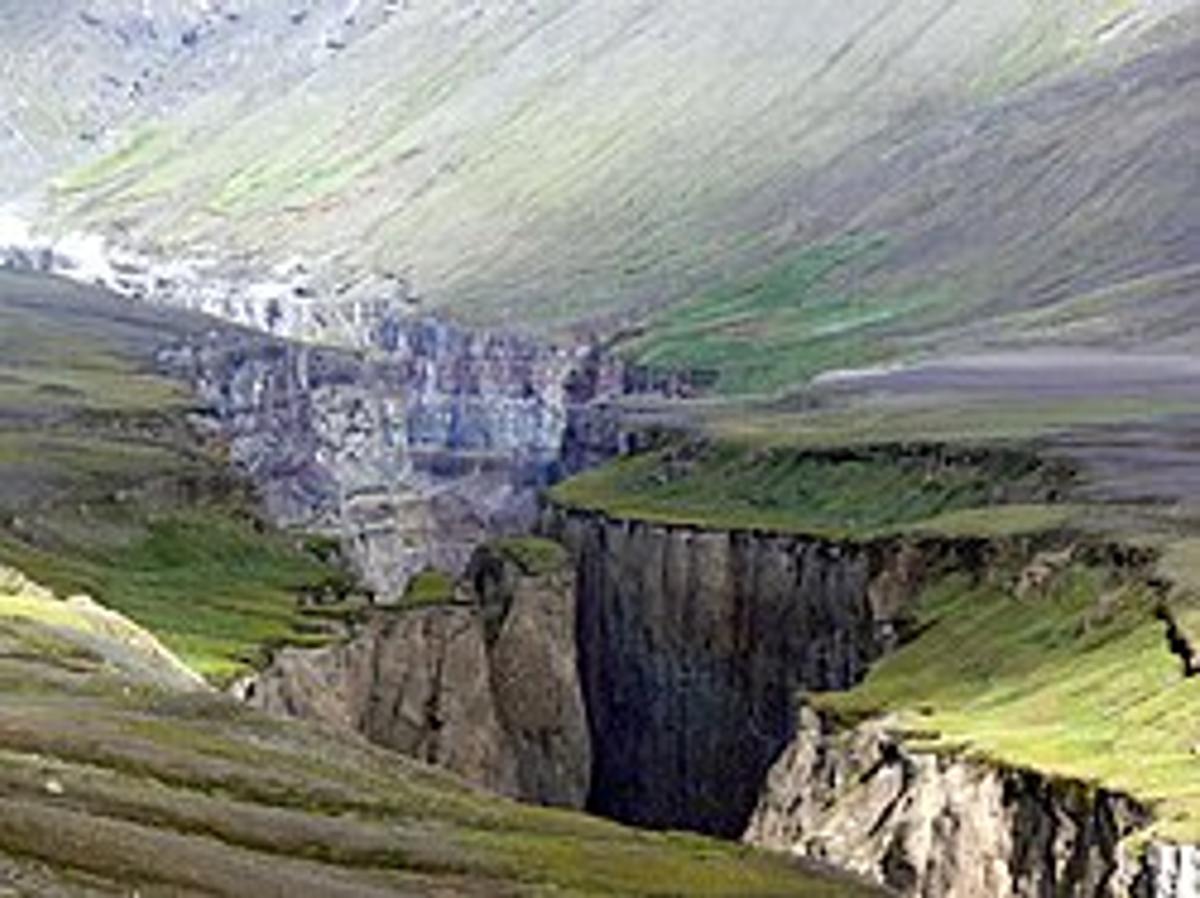
Dimmugljúfur and Hafrahvammagljúfur represent Iceland's deepest and most geologically significant canyon system, situated in the remote and stunning eastern highlands near Kárahnjúkar. These magnificent gorges are a testament to the powerful interplay of volcanic activity and glacial erosion that has shaped Iceland over millennia. Hafrahvammagljúfur, the wider of the two, presents a vast, shallow expanse on its western side, contrasting sharply with a towering cliff face on the east. Here, the river has carved deeply into dark scoria-clast rock of the Kárahnjúkar series, exposing a 'longitudinal section' of an ancient volcano – a geological marvel almost unique to Iceland. Further downstream, at a confluence known as Gljúframót, Dimmugljúfur takes over. This section is equally deep but significantly narrower, characterized by its sheer, vertical walls on both sides, meticulously carved into palagonite and basalt layers. The visual impact, as seen in the accompanying image, is striking: multi-layered rock formations display a rich tapestry of geological history, with lush green slopes giving way to dramatic, rugged cliffs. Visitors can experience the sheer grandeur by standing on the canyon's edge and gazing into the profound depths. For the more adventurous, there's also the opportunity to descend into Hafrahvamma to explore its fascinating caves and palagonite cliffs up close, offering an intimate perspective on these ancient formations.
民話
物語と民話
The journey to Dimmugljúfur and Hafrahvammagljúfur is one of anticipation, deep into Iceland's rugged eastern highlands. As you approach, the land gently rolls before abruptly falling away into an abyss. Standing on the precipice, the sheer scale of the canyons takes your breath away. Below, the river, a relentless sculptor, has carved through millennia of volcanic history, exposing dark scoria-clast rock and vibrant basalt layers. The air thrums with a primal energy, a testament to the earth's raw power. You gaze upon Hafrahvammagljúfur, wide and majestic, then follow its winding path to where Dimmugljúfur begins, a narrower, more dramatic chasm. It's a profound moment, connecting you to the ancient heartbeat of this volcanic island, a place where time is measured not in years, but in geological epochs.
場所
場所
もっと探索