
Ábæjarkirkja
Remote concrete church, Ábæjarkirkja, stands as a testament to Icelandic heritage in a stunning valley.
概要
訪問時間
30-60 minutes for the church itself, longer if exploring the surrounding hiking trails.
最適な季節:
Summer (June-August), especially during the annual mass weekend.
アクセス
Remote location, likely requiring gravel road access or hiking. Check local conditions; 4WD might be advisable depending on the season and specific route. GPS coordinates are 65.3171998, -18.9332946.
GPS
65.3172, -18.9333
について
Ábæjarkirkjaについて
Remote concrete church, Ábæjarkirkja, stands as a testament to Icelandic heritage in a stunning valley.
Ábæjarkirkja近くのツアー
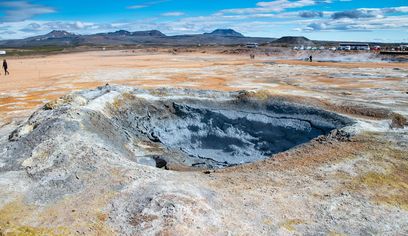
Lake Mývatn Shore Excursion from Akureyri Port
Iceland Horizon - Saga Travel - GeoIceland · 6 hours
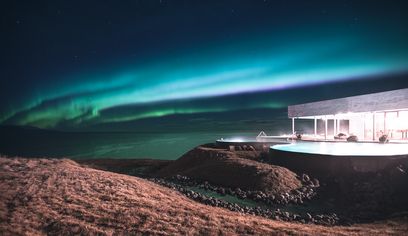
Private Northern Lights & GeoSea Geothermal Baths Tour (from Akureyri)
Imagine Iceland Travel · 5 hours

Private Northern Lights Photography from Akureyri
Iceland Horizon - Saga Travel - GeoIceland · 3 hours
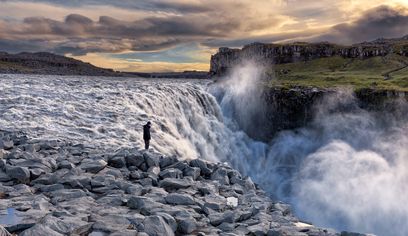
Dettifoss Waterfall, Ásbyrgi and Lake Mývatn - Shore Excursion from Húsavík
BusTravel Iceland · 5 hours 30 minutes
Ábæjarkirkjaへレンタカーで
車で訪れる予定ですか?地域に合う車種を比較し、旅行日程に応じた実際のレンタカー料金を確認できます。
ここでリアルタイムの空車を検索
車種は提案であり、リアルタイムの料金や在庫ではありません。GoIceTravelは追加費用なしで紹介料を受け取る場合があります。
写真
ギャラリー
背景
歴史と背景
Ábæjarkirkja, or Ábær Church, was constructed in 1922 on the site of the Ábær farm in Austurdalur, a secluded valley within Skagafjörður. This remarkable undertaking was guided by Guðjón Samúelsson, who served as the state architect of Iceland. The church was built to serve the local community of Ábær, which, unfortunately, saw its last residents depart when the farm was abandoned in 1941, leaving the church as a lonely beacon in the valley. Samúelsson's design for Ábæjarkirkja was significant as it embodied his architectural philosophy: to use durable building materials while adhering to traditional Icelandic house-building customs. Breaking from the common practice of timber or turf, the church was notably constructed from concrete, with materials transported from Skagafjörður. This choice ensured its longevity, allowing it to stand firm against the harsh Icelandic elements, much like the ancient turf churches it was designed to evoke in spirit. A unique feature inside is the baptismal font, crafted from birch wood that grew in the gorge of Austari-Jökulsá, tying the church deeply to its natural environment. Despite the abandonment of the farm, Ábæjarkirkja has never truly been forgotten. It continues to hold a special place in the hearts of Icelanders, with an annual mass celebrated every summer during the merchant's weekend. This tradition ensures its continued spiritual significance and draws visitors. Furthermore, its remote yet accessible location makes it a cherished and popular resting stop for hikers traversing the beautiful and rugged landscapes of Austurdalur, symbolizing resilience and continuity amidst change.
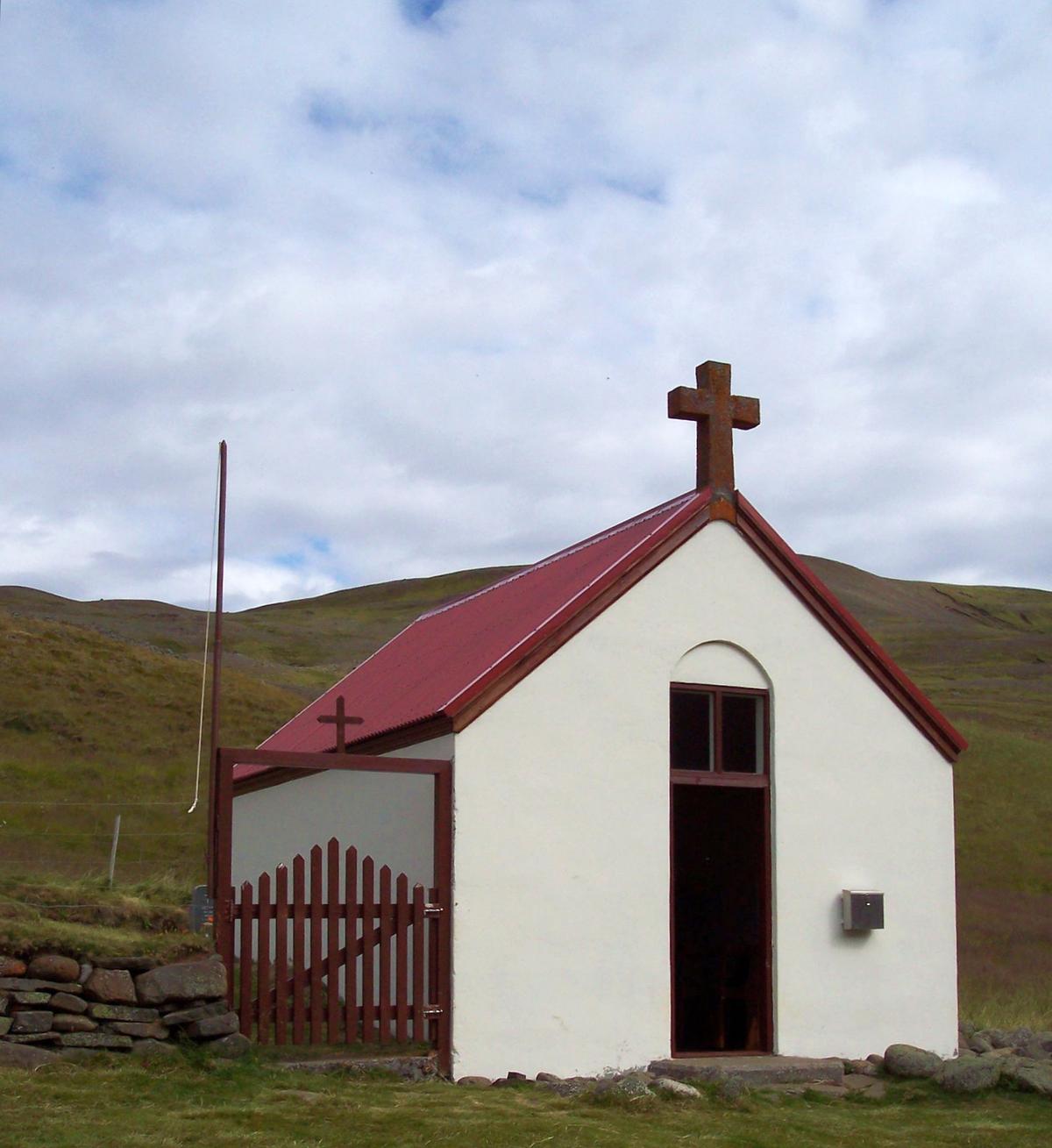
Perched amidst the undulating green hills of the remote Austurdalur valley in Skagafjörður, Ábæjarkirkja offers a captivating glimpse into Iceland's rural history and architectural ingenuity. This small, yet remarkably sturdy, concrete church, easily identified by its striking red corrugated roof and prominent wooden cross, was constructed in 1922. It was designed by Guðjón Samúelsson, the state architect, known for his unique blend of traditional Icelandic aesthetics and modern, durable materials. The church stands on the site of the former Ábær farm, which was abandoned in 1941, leaving Ábæjarkirkja as a solitary monument to the community that once thrived here. Visually, the church presents a simple yet elegant form. Its crisp white walls contrast beautifully with the deep red roof and dark wooden frames of its arched window and main entrance. A smaller wooden cross adorns the gable above a charming wooden picket fence, hinting at a small, welcoming porch area. Inside, visitors can discover a unique baptismal font handcrafted from birch wood, sourced from the nearby gorge of Austari-Jökulsá, further emphasizing the church's connection to its natural surroundings. Despite its isolated location and the abandonment of the settlement, Ábæjarkirkja remains an active spiritual site. An annual mass is held here every summer, typically during the merchant's weekend, drawing people from afar and breathing life back into this serene spot. For trekkers exploring the scenic Austurdalur, the church serves as a popular and picturesque resting point, inviting contemplation and providing a tangible link to Iceland's past and the profound tranquility of its unspoiled landscapes.
民話
物語と民話
As the clouds drift lazily over the rolling green hills of Austurdalur, Ábæjarkirkja stands as a silent sentinel. Picture its construction in 1922, a remarkable undertaking in this secluded valley, with materials painstakingly transported from Skagafjörður. Architect Guðjón Samúelsson envisioned a modern church, yet one that honored the spirit of Iceland's ancient turf churches, choosing durable concrete for its enduring form. Though the farm of Ábær fell silent in 1941, the little church refused to yield to the wilderness. Its distinctive red corrugated roof, capped by a sturdy wooden cross, remains a beacon against the stark landscape. Today, hikers traversing the valley are drawn to its quiet charm, finding solace within its simple white walls and through its dark wooden door. Imagine the annual summer mass, a vibrant echo of life returning to this forgotten corner, connecting past generations with present-day wanderers, all under the watchful gaze of the surrounding hills.
場所
場所
もっと探索