
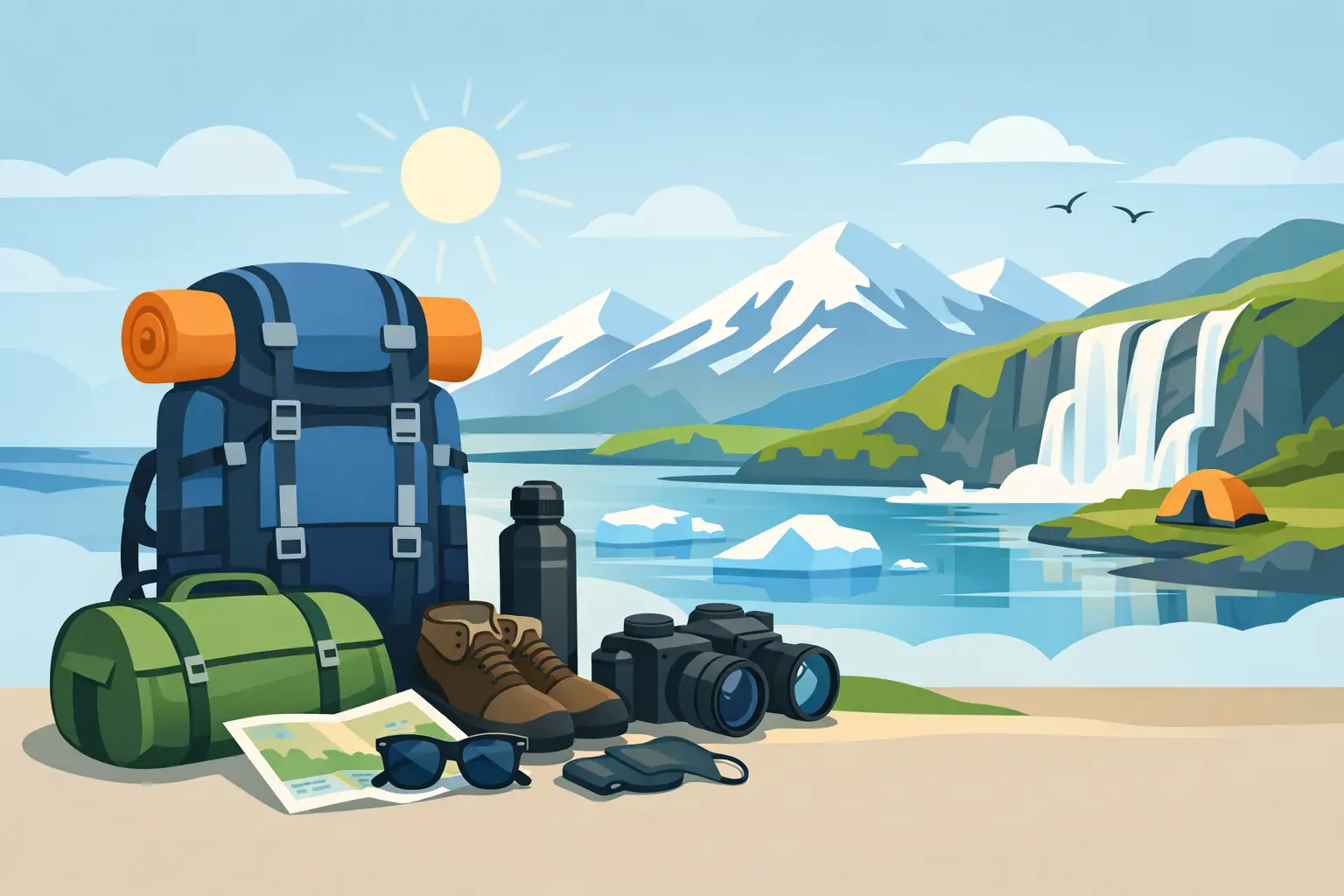
What to Pack for Iceland Summer Trips
Wondering what to pack for Iceland summer? This practical guide covers layers, shoes, rain gear, road trip essentials, and smart extras.
A sunny 55-degree day in Reykjavik can turn into wind, mist, and a sharp temperature drop before you finish your coffee. That is why figuring out what to pack for Iceland summer is less about chasing a forecast and more about building a flexible kit that works across changing conditions, day trips, and long daylight hours.
Summer in Iceland is easier than winter, but it is not a warm-weather vacation in the usual sense. Most travelers picture green mountains, waterfalls, black sand beaches, and midnight light, and all of that is real. So is horizontal rain, wet hiking trails, strong wind, and the fact that you may move from a city walk to a glacier lagoon lookout in the same day. Pack for movement, layering, and weather shifts, and your trip gets much smoother.
What to pack for Iceland summer and why layers matter
The biggest mistake first-time visitors make is treating summer like summer back home. Even in June, July, and August, Iceland often feels cool, especially outside the capital or near the coast. Temperatures can be comfortable, but wind changes everything.
Start with a simple three-layer system. Your base layer should be a breathable T-shirt or lightweight long-sleeve top that stays comfortable if you are active. Over that, bring a fleece, light sweater, or insulated mid-layer for warmth. Your outer layer matters most - a waterproof jacket with a hood is one of the smartest things you can bring.
This setup gives you options. On a calm afternoon you may only need a shirt and light sweater. At a waterfall, on a whale-watching tour, or during a windy stop on the South Coast, you will want all three. The goal is not to pack bulky clothes. It is to make quick adjustments without having to return to your hotel or car.
For bottoms, travel pants, hiking pants, or other quick-drying options work better than heavy jeans. Denim is fine for a city dinner, but it is a poor choice for wet days or active sightseeing because it stays cold and damp. If your itinerary includes light hikes, geothermal areas, or multiple waterfalls, quick-dry fabrics are worth it.
The clothes you will actually wear
You do not need a huge wardrobe for Iceland in summer. You need repeatable outfits that can handle cool mornings, wet weather, and casual evenings.
Plan on a few base tops, two or three mid-layers, and one reliable waterproof shell. Add a pair or two of comfortable pants, sleepwear, enough underwear and socks for your trip pace, and one casual outfit for restaurants or city time. Iceland is not a dressy destination for most travelers. Function wins.
A lightweight puffer or insulated jacket can be useful, especially in May or September, or if you run cold. In peak summer, some travelers skip it and rely on fleece plus rain shell. That can work if you are mostly sightseeing by car and staying in towns. If you are heading out on boat tours, highland routes, or early morning excursions, an extra warm layer earns its space.
Swimwear is not optional. Iceland and hot water go together, whether you are visiting a major geothermal lagoon, a local pool, or a quieter hot spring. Bring a swimsuit that dries reasonably fast, and consider packing flip-flops or simple sandals for pool areas. A compact towel can help in some cases, though many larger facilities provide rentals.
Shoes can make or break the trip
If you are deciding where to spend money, put footwear near the top. The best choice for most travelers is a waterproof walking shoe or light hiking boot with decent grip. Trails can be muddy, parking lots can be wet, and waterfall spray can soak your feet fast.
You do not need heavy mountaineering boots for a standard summer itinerary. But flimsy sneakers are a gamble, especially if you plan to visit places like Skogafoss, Seljalandsfoss, Reykjadalur, or cliffside viewpoints. Wet socks early in the day have a way of ruining the mood.
It also helps to bring a second pair of shoes. This can be casual sneakers for Reykjavik, slip-on shoes for driving days, or sandals for hotels and pools. Rotating footwear gives your main pair time to dry if needed.
Rain gear is not overkill
When people ask what to pack for Iceland summer, they usually mean clothing. What they often need is weather protection. A waterproof jacket is essential, but waterproof pants are the item many travelers debate.
Do you need them? It depends on your plans. If your trip is mostly scenic stops with short walks, you may never wear them. If you are doing waterfall walks, boat trips, horse riding, puffin viewing, or longer hikes, they can be a very good call. They are also useful because wind can drive rain sideways, and exposed viewpoints do not care what month it is.
A rain cover for your backpack or a waterproof daypack is another smart add. Even if your body stays dry, cameras, snacks, extra layers, and electronics need protection too.
Accessories that matter more than you think
Iceland summer packing is not only about jackets and shoes. The small things often save the day.
A warm hat and light gloves sound excessive until you are standing on a glacier lagoon boat tour or staring into ocean wind near Dyrholaey. You may not use them every day, but when you want them, you really want them. A buff or scarf can also help with wind.
Sunglasses are surprisingly important because of long daylight hours, reflective water, and bright skies. Sunscreen is worth packing too. Cooler weather can trick travelers into forgetting sun exposure, especially on hikes or all-day road trips.
A reusable water bottle is easy to carry and practical throughout Iceland, where tap water is excellent. If you are road-tripping, this is one of the simplest ways to stay comfortable and avoid unnecessary stops.
Sleep can be the sneaky problem in summer. With very long daylight hours, many visitors from the US find it harder to wind down. If you are sensitive to light, pack an eye mask. Earplugs can help too, especially if you are staying in guesthouses or near active streets in peak season.
Tech and road trip extras
A lot of Iceland travelers build their trip around driving, and that changes what to bring. A phone mount, car charger, and charging cable are small but genuinely useful. Downloaded maps are a good backup in areas with weaker signal, and a portable power bank helps on long sightseeing days when your phone is handling photos, navigation, and booking confirmations.
If you use a camera, pack a weather-aware case or dry bag. Iceland is beautiful, but it is not gentle on exposed gear. Bring a microfiber cloth too - lens spray from misty viewpoints is common.
For travelers booking tours between self-drive days, a compact daypack keeps things simple. It should fit extra layers, water, snacks, and rain gear without becoming bulky. That balance matters because many Iceland days involve frequent stops rather than one long basecamp outing.
What not to overpack
You can leave a few things at home. Heavy winter coats are usually unnecessary in summer unless you are visiting at the edge of the season and tend to get cold easily. Large umbrellas are not very helpful in Icelandic wind. Too many fashion-first outfits will probably stay in your suitcase.
You also do not need one outfit for every day if you pack around layering. Most summer itineraries are active, casual, and photo-friendly without being formal. Focus on comfort, weather protection, and rewearable pieces.
If you forget something, Iceland has stores and outdoor shops, especially in Reykjavik and larger towns. But buying gear on arrival is usually more expensive than bringing what you already trust.
A practical Iceland summer packing checklist
For most travelers, the right core pack looks like this: moisture-wicking tops, a fleece or sweater, a waterproof hooded jacket, quick-dry pants, waterproof shoes or boots, extra socks, swimwear, a hat, sunglasses, a daypack, and chargers. Then add based on your trip style. Hikers may want trekking poles and waterproof pants. Road trippers may prioritize car accessories and snacks. Luxury travelers doing shorter excursions can pack lighter but still should not skip weather layers.
That is really the Iceland difference. You are not packing for extremes. You are packing for variety. If your bag can handle a breezy city morning, a damp waterfall trail, a geothermal soak, and a late-night scenic stop under bright skies, you are set up for a much better trip.
Pack light, but pack smart. Iceland rewards travelers who are ready to say yes when the weather shifts, the road opens up, and one more unforgettable stop suddenly fits into the day.