
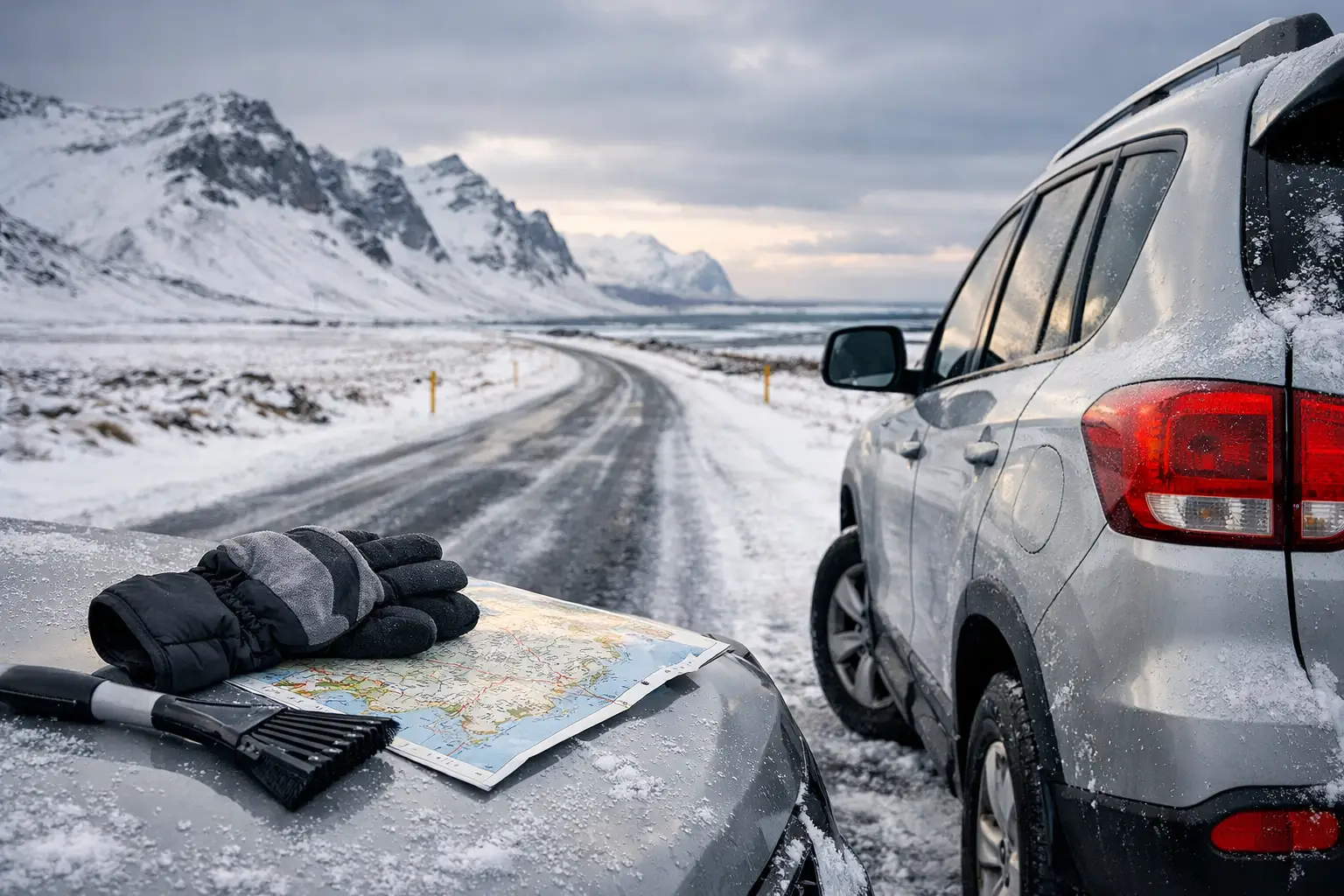
Iceland Winter Driving Guide for First Trips
Use this Iceland winter driving guide to plan safer road trips, choose the right rental, read weather alerts, and know when not to drive.
A sunny forecast in Reykjavik can still turn into whiteout conditions an hour later on the road to Vik. That is the reality every good Iceland winter driving guide needs to start with. Winter driving here is not just about snow. It is about fast weather shifts, icy pavement, short daylight, wind strong enough to move a car door, and knowing when a beautiful self-drive plan should become a stay-put day instead.
For many travelers from the US, renting a car in Iceland sounds like freedom. In winter, it can be - if you match your route, vehicle, and expectations to actual conditions. The biggest mistake first-time visitors make is treating Iceland like a standard cold-weather road trip. Distances can look short on a map, but winter conditions stretch travel times, close roads, and raise the stakes on every decision.
Iceland winter driving guide: what makes it different
The challenge is not just ice. It is the combination of narrow weather windows, exposed roads, and limited daylight. In December and January, you may only get a few useful driving hours with full visibility. Even in February and March, low light and blowing snow can make a straightforward route feel much harder than the mileage suggests.
Wind is the factor many visitors underestimate. A road can be passable, but side gusts still make the drive tiring and sometimes unsafe, especially in open areas in South Iceland, the Reykjanes Peninsula, and around mountain passes. Add black ice, which can be nearly invisible, and confidence from driving in snowy US states does not always translate directly.
This is why winter self-drive works best for travelers who can stay flexible. If your plan requires hitting six stops in one day no matter what the forecast says, a guided tour may be the smarter choice.
Choose the right vehicle, not the cheapest one
A small budget car can work in summer for travelers staying close to Reykjavik. In winter, that same choice may create stress you do not need. For most winter itineraries, a newer 4x4 or all-wheel-drive vehicle is the safer call. That does not mean you can drive through anything. It means better traction, more ground clearance, and a more stable ride when conditions get rough.
Studded winter tires are standard and matter more than many visitors realize. They improve grip, but they are not magic. You still need to slow down early, brake gently, and avoid sudden steering changes. If you are deciding between a compact crossover and a larger SUV, think about your route and confidence level. A bigger vehicle can feel more planted in wind, but it can also be harder to handle if you are not used to it. The best rental is the one you can drive calmly and confidently.
Insurance deserves real attention too. Gravel and sand coverage are not just upsells in Iceland. Even in winter, wind-driven debris and rough conditions can cause damage. Check what is included before you book so you are not figuring it out at the rental desk after a long flight.
Plan shorter days than you think you need
The map tempts people into overbuilding their itinerary. In winter, resist that urge. A drive that looks easy in July can become a full-day effort in February.
For first-time winter visitors, South Iceland and the Golden Circle are usually the most realistic self-drive areas. They have major highlights, better traveler infrastructure, and more room to adjust plans without derailing the trip. The Ring Road is sometimes technically open, but that does not mean it is the right choice for a short winter vacation.
Build your days around daylight first and sightseeing second. Start later than the road crews? Not ideal. Try to finish after dark in unfamiliar conditions? Also not ideal. If you want to chase northern lights at night, choose a base near your sights rather than counting on long evening drives.
A smart winter road trip often looks less ambitious on paper and much better in real life. Fewer hotels, fewer long transfers, and more room for weather changes usually lead to a better trip.
Routes that usually work best
For most travelers, Reykjavik, the Golden Circle, and the South Coast as far as Vik or Jokulsarlon are the strongest options, depending on conditions and trip length. Snellsnes can also be rewarding, but it is more exposed to weather. North Iceland, the Eastfjords, and full Ring Road loops are better left to travelers with more time, stronger winter driving experience, and a very flexible schedule.
Check conditions like a local traveler would
A useful Iceland winter driving guide has to be blunt about this: you should check road and weather conditions every single day, and often more than once. Conditions can change between breakfast and departure.
The key habit is to look at both weather forecasts and road status together. A route may not be officially closed, but poor visibility, wind warnings, and icy stretches can still make it a bad idea. If the forecast suggests worsening conditions later, go earlier, shorten the day, or do not go at all.
This is where local travel tools make a big difference. GoIce Travel helps travelers organize Iceland plans with practical trip resources in one place, and that kind of planning setup matters much more in winter than in summer. You want clear access to route ideas, backup options, and day-by-day flexibility before you are standing in a hotel parking lot wondering whether to continue.
Signs that you should not drive
Sometimes the best decision is simple. Do not drive if there are strong wind warnings for your route, active road closures, whiteout conditions, freezing rain, or if you feel rushed to keep a reservation. Iceland is full of travelers who got into trouble because they thought one more hour on the road would be fine.
If your day starts feeling like a negotiation with the weather, that is usually your answer.
On the road: habits that matter most
Winter driving in Iceland rewards calm, boring decisions. Keep your speed lower than the posted limit when conditions call for it. Increase following distance more than you would at home. Brake lightly and early. If you hit ice, avoid panicked steering or slamming the brakes.
Headlights should be on at all times. Keep your phone charged, fuel up early in smaller towns, and do not let the tank get low in remote areas. Some stretches have long gaps between services, and winter weather can slow everything down.
Bridges and shaded areas freeze first. So do parking lots at major sights. Many slips and small incidents happen not on the highway, but when drivers relax too early pulling into a stop.
One more thing catches visitors off guard: car doors in high wind. Hold the door firmly when getting in or out. Sudden gusts can wrench it open hard enough to damage the hinges.
Parking at winter sights is part of the drive
Reaching a waterfall or black sand beach is not the end of the driving challenge. Parking areas may be icy, snow-packed, or only partly cleared. Walk slowly, wear real winter traction on your boots, and do not assume every viewpoint path is fully safe.
That matters because winter sightseeing often happens in quick bursts between drives. You arrive, hop out with excitement, and forget the conditions underfoot. Take an extra minute. Iceland’s famous stops are far more enjoyable when you are not recovering from a slide in the parking lot.
What to pack in the car
You do not need an expedition setup for a standard winter self-drive, but you do need to be prepared. Keep warm layers, gloves, water, snacks, and a fully charged phone with you each day. A scraper, simple flashlight, and portable charger are useful as well.
If you are driving outside the capital area, it is wise to have enough clothing to stay warm for a while if your plans change. Most winter delays are minor, but comfort matters when the weather turns and you are waiting things out.
When a self-drive trip is the wrong call
There is no prize for forcing a rental car plan that does not fit your trip. If you are visiting for three or four winter days, want to see a lot, and dislike driving in snow or wind, guided day tours or a private driver can be the better move. The same goes for travelers arriving on a red-eye flight and planning to hit the road immediately.
Self-drive is best when you want freedom, can stay flexible, and are comfortable canceling or reshuffling plans. If what you really want is low-stress sightseeing, choose the option that lets you enjoy Iceland rather than manage it.
The upside of winter driving here is real. You can catch sunrise over a frozen lava field, stop at roadside viewpoints with almost no crowds, and shape each day around the conditions and your energy. Just treat the road as part of the adventure, not as the easy space between attractions. Iceland rewards travelers who respect the forecast, simplify the route, and leave room for weather to have the final say.