
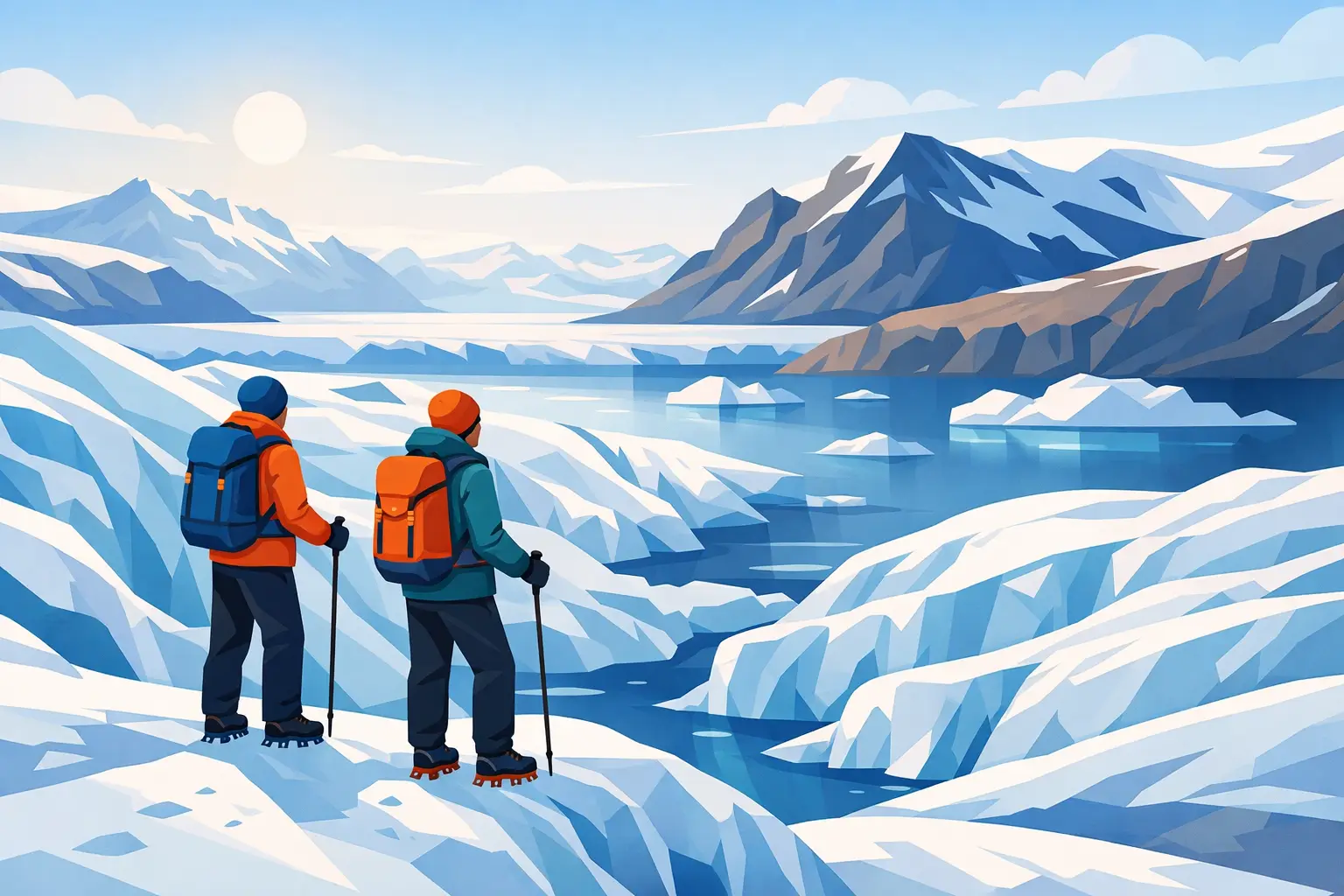
Best Glacier Hiking Tours Iceland Travelers Love
Find the best glacier hiking tours Iceland offers, from easy walks to ice climbs, with practical tips on seasons, gear, safety, and booking.
The first time you step onto a glacier in Iceland, the scale hits before the cold does. The ice is streaked with ash, cracked into deep blue lines, and constantly shifting under a guide’s careful route choices. That is why glacier hiking tours Iceland visitors book are not just scenic add-ons - they are one of the most direct ways to experience the country’s raw geology safely and up close.
For many travelers, glacier hiking sounds more extreme than it really is. In Iceland, a lot of tours are designed for beginners with no technical climbing background. You do not need to be a mountaineer. You do need the right expectations, the right clothing, and a realistic sense of how much time you want to spend on the ice.
Why glacier hiking in Iceland is worth your time
Iceland has no shortage of headline experiences. You can soak in geothermal lagoons, drive the South Coast, chase waterfalls, and watch icebergs drift through glacier lagoons. Glacier hiking stands out because it is active without being inaccessible. It gives you that rare feeling of entering a landscape instead of just stopping to photograph it.
There is also real variety between tours. Some are short introductory walks on an outlet glacier with crampons and an ice axe. Others combine glacier hiking with an ice cave, an ice-climbing section, or a full South Coast day trip. That range matters if you are balancing your trip budget, fitness level, and available daylight.
If you are visiting Iceland for the first time, glacier hiking is one of the easiest adventure activities to add without overcomplicating your itinerary. Most tours include the specialist gear, trained guides, and clear meeting logistics. That makes it a strong fit for travelers who want an unforgettable experience but do not want to piece together equipment and access on their own.
Where the best glacier hiking tours Iceland offers actually happen
Most travelers will find the widest choice along the South Coast. That is where Iceland’s best-known and most accessible glaciers sit near the Ring Road, making them practical for day tours and self-drive itineraries.
Sólheimajökull
Sólheimajökull is the classic choice for first-timers. It is one of the most commonly used glaciers for guided hikes because it is relatively easy to reach from Reykjavik and from South Coast stops like Skógafoss and Vík. Tours here usually focus on beginner-friendly glacier walks, and the terrain often includes ridges, moulins, ash-covered ice, and broad views across the surrounding landscape.
This is a strong option if you want a manageable introduction. You get the glacier experience without committing to a full expedition-style day. The trade-off is popularity. Because it is so accessible, it can feel busier than more remote options, especially in summer.
Skaftafell and Vatnajökull
If you want bigger scenery and a stronger sense of scale, head east toward Skaftafell in Vatnajökull National Park. Vatnajökull is Europe’s largest glacier, and the hiking tours here often feel more dramatic. The mountain backdrop is sharper, the ice formations can be more varied, and the overall setting has that extra wow factor many travelers are after.
Skaftafell works especially well if you are already planning to visit Jökulsárlón Glacier Lagoon or Diamond Beach. It is a natural fit for a longer South Coast itinerary. The downside is simple: it is farther from Reykjavik, so it is less practical as a quick add-on unless you are joining a longer guided trip.
Falljökull for more intensity
For travelers who want something a little more advanced, Falljökull is often the glacier to watch. Its name translates to “falling glacier,” and the terrain tends to be steeper and more rugged. Some tours here lean more heavily into adventure, with a stronger emphasis on uneven ice formations and technical interest.
That does not mean every Falljökull tour is expert-only, but it usually suits travelers who are comfortable with longer walks, variable footing, and a slightly more demanding pace.
How to choose the right glacier tour
The best tour is not always the longest one or the one with the most dramatic photos. It depends on how you travel.
If this is your first trip to Iceland and you are trying to fit a lot into a few days, a 2- to 4-hour glacier hike at Sólheimajökull often makes the most sense. It is efficient, beginner-friendly, and easy to pair with waterfalls, black sand beaches, or a South Coast day trip.
If you are building a multi-day Ring Road itinerary, a hike in Skaftafell gives you a more immersive glacier setting and fits naturally with the southeast region’s biggest highlights. If you are traveling as a couple or small group and want a more personalized experience, private glacier tours can be worth the premium. You usually get a more flexible pace, more guide interaction, and less waiting around.
Families should read age limits carefully. Many glacier hikes welcome older children, but minimum ages vary by operator and route difficulty. If you are traveling with teens, beginner glacier hikes are often a better fit than combo tours with ice climbing.
What glacier hiking tours in Iceland include
Most guided glacier hikes include the essential safety gear: crampons, helmet, harness when needed, and an ice axe for certain routes. The guide will usually brief the group before stepping onto the ice and adjust gear onsite. That built-in structure is a major reason guided glacier access is the standard in Iceland.
What is usually not included is your outerwear. You will need waterproof layers, good hiking boots that support the ankle, gloves, and warm clothing you can move in. Jeans are a bad idea. So are smooth-soled fashion boots. Even on a relatively easy route, conditions can shift fast with wind, sleet, or wet snow.
Some tours also provide transport from Reykjavik, while others require you to meet at the glacier parking area. That detail matters more than it sounds. A cheaper tour can become less convenient if you need to rent a car, drive several hours, and manage changing weather on your own.
Best time to book glacier hiking tours Iceland visitors can enjoy
Glacier hiking runs in multiple seasons, but the experience changes throughout the year.
Summer gives you longer daylight, milder temperatures, and easier road conditions. It is often the best option for first-time visitors who want the simplest logistics. You will still need warm clothing, but access is generally more straightforward and tour schedules are broader.
Winter brings a different mood. The ice can look bluer, the landscapes feel harsher and more cinematic, and certain tour combinations become possible, especially when ice cave conditions allow. But winter also means shorter days, more weather disruption, and less margin for delays. If your schedule is tight, book earlier in your trip rather than on the final day so you have room to reschedule if needed.
Shoulder seasons can be excellent if you want fewer crowds. The trade-off is that conditions are more variable, and route changes are common. That is not a red flag - it is actually a sign the guide team is making good safety decisions.
Safety, fitness, and what to expect on the ice
The guided format exists for a reason. Iceland’s glaciers are not static fields of snow. They are active, crevassed environments shaped by weather, melt, and volcanic ash. You should never attempt to walk a glacier independently without proper technical experience and equipment.
On a standard tour, you can expect a briefing, gear fitting, a walk to the glacier edge, and a guided route across the ice. There will be uphill and downhill sections, uneven surfaces, and frequent stops to talk about the glacier itself. The pace is usually manageable, but it is still a real hike, not a flat sightseeing stroll.
You do not need elite fitness. If you can handle a few hours of steady walking on uneven terrain in cold weather, you will likely be fine on a beginner route. If you have knee issues, balance concerns, or limited mobility, check route details carefully before booking. Some tours are much more forgiving than others.
Is it worth booking in advance?
Yes, especially in summer and around holiday travel periods. The best glacier hiking tours can sell out, and last-minute choices are often narrower on departure time, transport, and group size. Booking ahead also gives you more time to compare whether you want a glacier-only tour or a combo experience.
This is one of those Iceland activities where quality matters. A well-run operator makes the day feel smooth from check-in to gear return. Clear instructions, strong safety standards, and experienced glacier guides are worth paying for. That is exactly why travelers use platforms like GoIce Travel - to compare trusted Iceland experiences in one place and book with more confidence.
Price should not be the only filter. A lower-cost tour might be shorter than expected, exclude transport, or run with larger groups. A more expensive option may include better timing, a smaller group, or access to a more rewarding route. It depends on what kind of travel day you want.
Glacier hiking in Iceland is one of those experiences that sticks because it feels earned. You lace up, step onto ancient ice, and spend a few hours in a landscape that is still changing. If you choose the right tour for your pace and itinerary, it will not just be another stop on the map - it will be one of the moments your whole trip keeps circling back to.